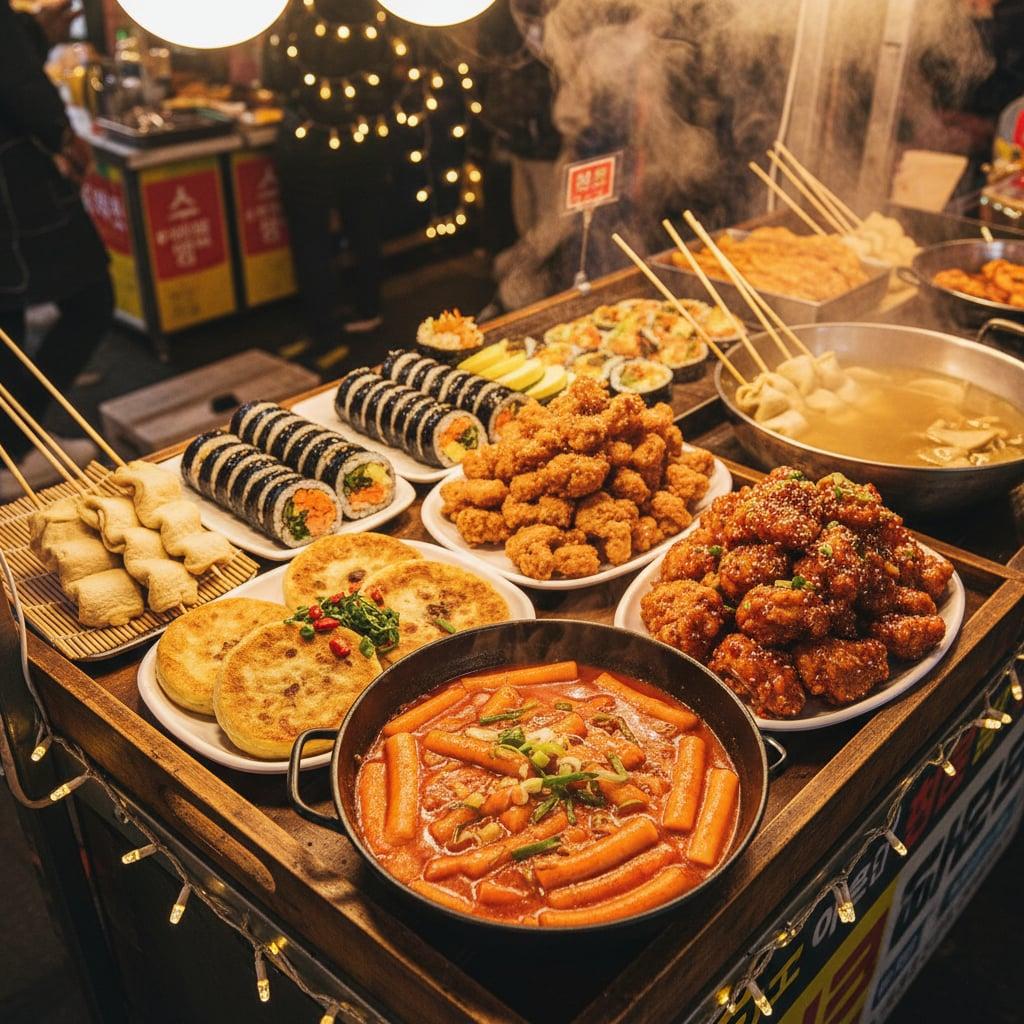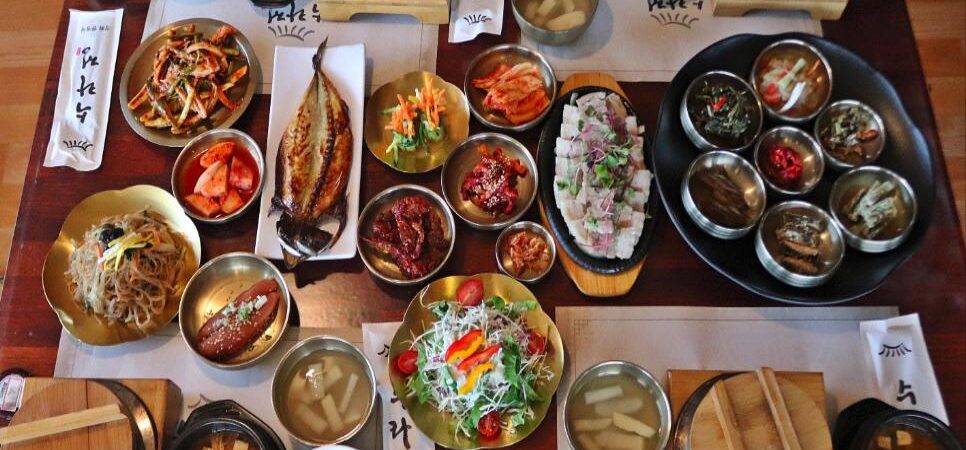
Korean food is known for its bold flavours, colourful ingredients, fermented foods, comforting soups, grilled meats, noodles, rice dishes, and popular street foods. From the famous flavours of Kimchi and Bulgogi to comforting dishes such as Tteokbokki and Kimchi Jjigae, Korean cuisine offers something for almost every taste.
For people discovering Korean food for the first time, choosing what to try can sometimes be difficult. This guide introduces 50 popular Korean foods, including traditional dishes, Korean BBQ, noodles, rice dishes, soups, stews, snacks, and street foods.
Whether you are visiting a Korean restaurant in Australia, cooking Korean food at home, or simply curious about Korean cuisine, this list is a useful place to start.
1. Kimchi
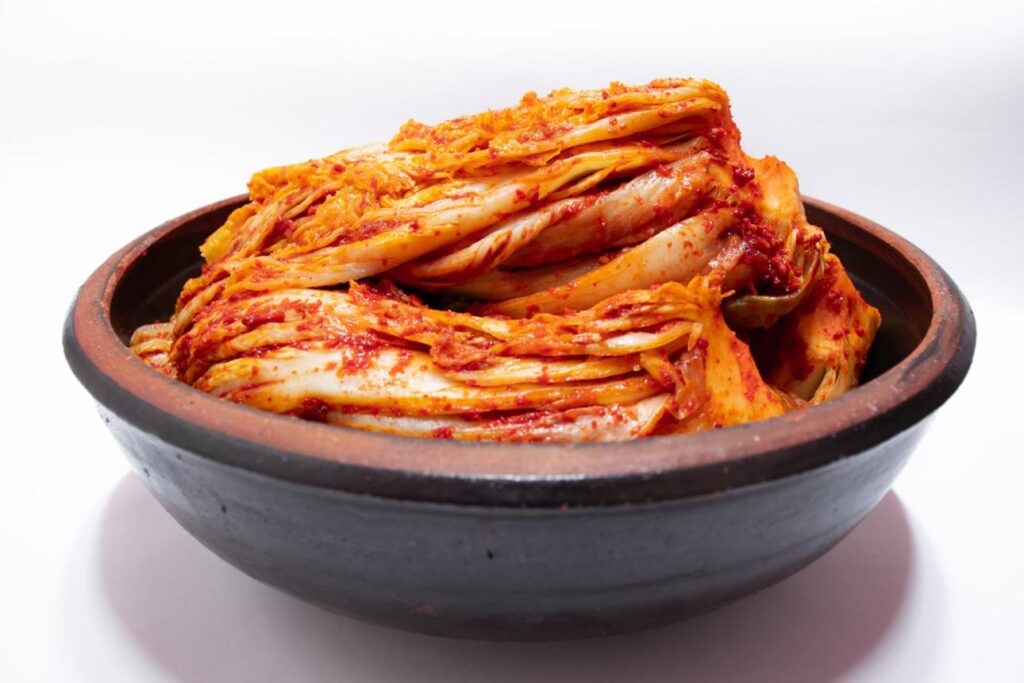
Kimchi is one of the most famous Korean foods in the world. It is a traditional fermented vegetable dish, commonly made with napa cabbage, Korean radish, chilli flakes, garlic, ginger, and other seasonings.
Kimchi is served as a side dish with many Korean meals and is also used in dishes such as Kimchi Fried Rice and Kimchi Jjigae.
2. Bibimbap
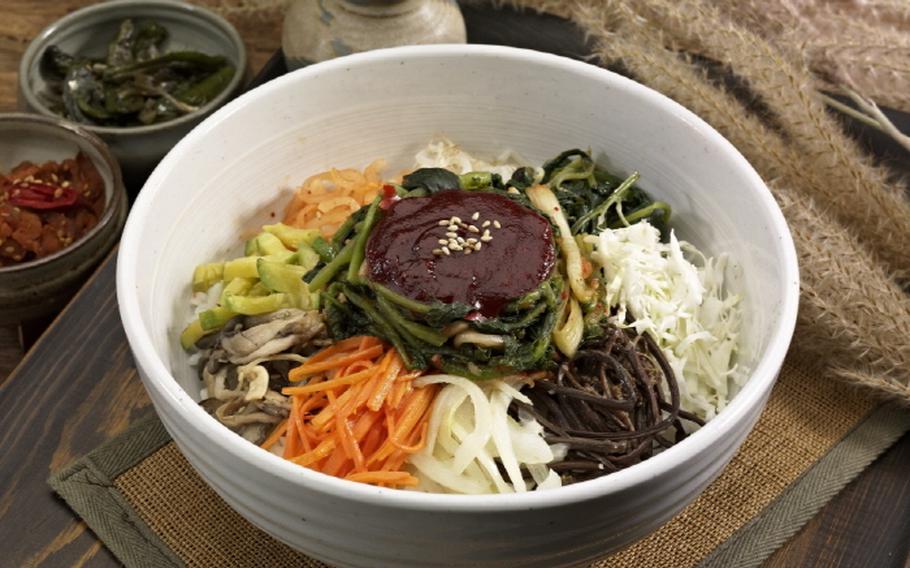
Bibimbap is a colourful Korean rice bowl topped with seasoned vegetables, protein, egg, sesame oil, and gochujang. The ingredients are mixed together before eating.
It is particularly popular with people trying Korean food for the first time because the ingredients can be customised.
3. Bulgogi
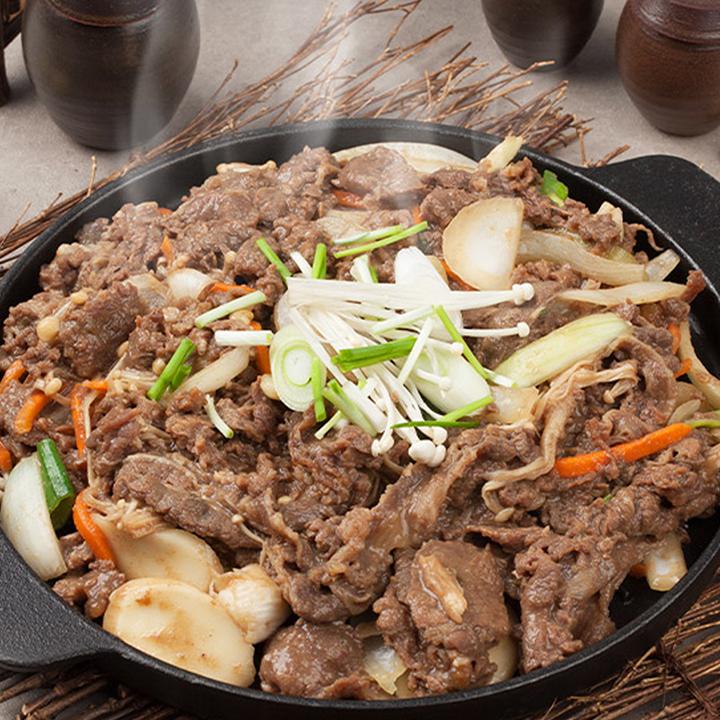
Bulgogi is a popular Korean grilled beef dish. Thinly sliced beef is marinated in a savoury and slightly sweet sauce before being grilled or cooked in a pan.
The tender texture and sweet-savoury flavour make Bulgogi one of the most approachable Korean dishes for newcomers.
4. Korean BBQ
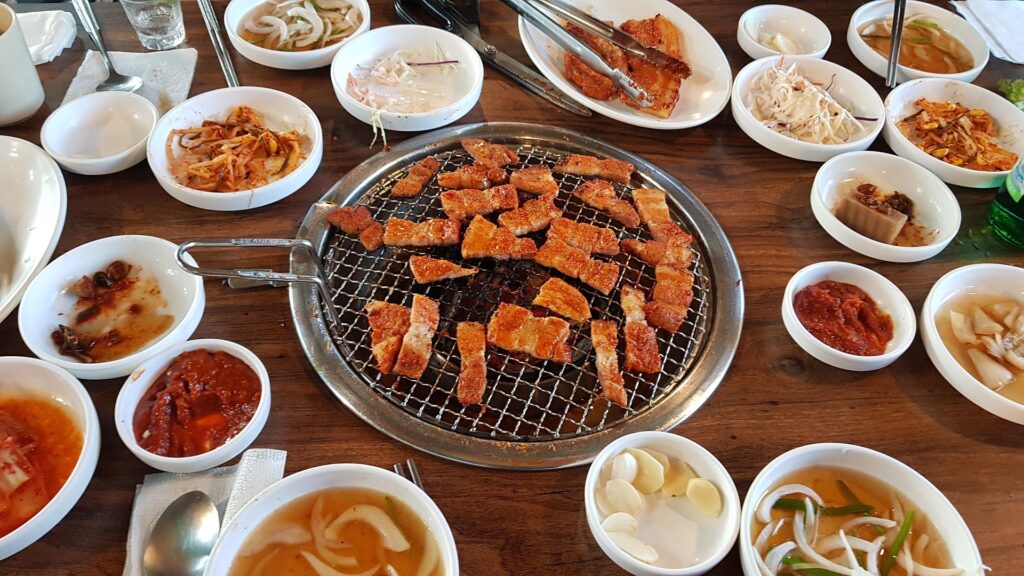
Korean BBQ is a popular social dining experience where meat is grilled at the table. Popular choices include beef, pork, and chicken.
Korean BBQ is often enjoyed with lettuce wraps, sauces, garlic, vegetables, and various Banchan.
5. Samgyeopsal
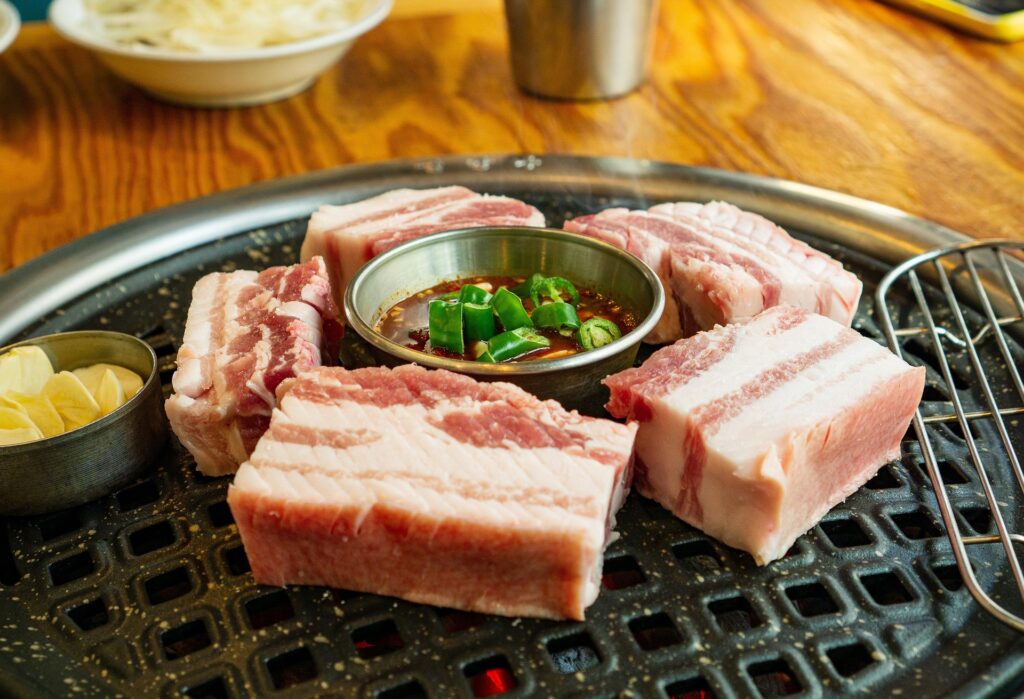
Samgyeopsal is Korean grilled pork belly. Thick slices of pork belly are cooked on a grill and commonly wrapped in lettuce with garlic, dipping sauce, and other ingredients.
It is one of the most popular Korean BBQ choices.
6. Japchae
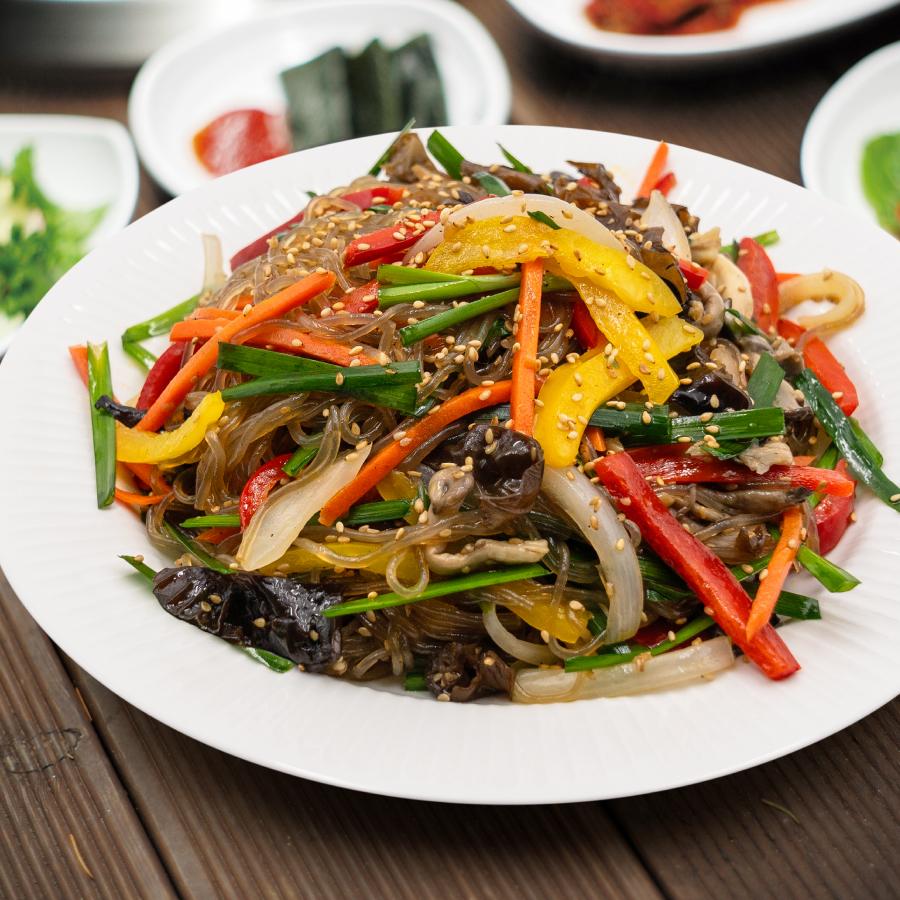
Japchae is a Korean noodle dish made with glass noodles, vegetables, and usually beef or other protein. The noodles are stir-fried with sesame oil and a savoury seasoning.
Its soft texture and mild flavour make Japchae popular with both children and adults.
7. Tteokbokki
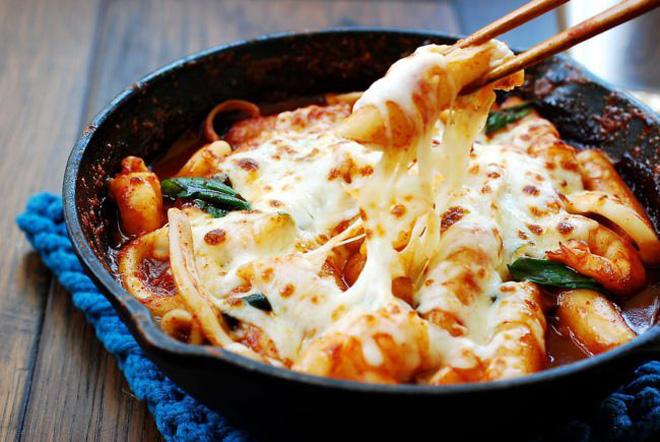
Tteokbokki is one of Korea’s most famous street foods. It features chewy rice cakes cooked in a spicy, sweet, and savoury sauce.
Fish cakes, boiled eggs, and spring onions are often added.
8. Korean Fried Chicken
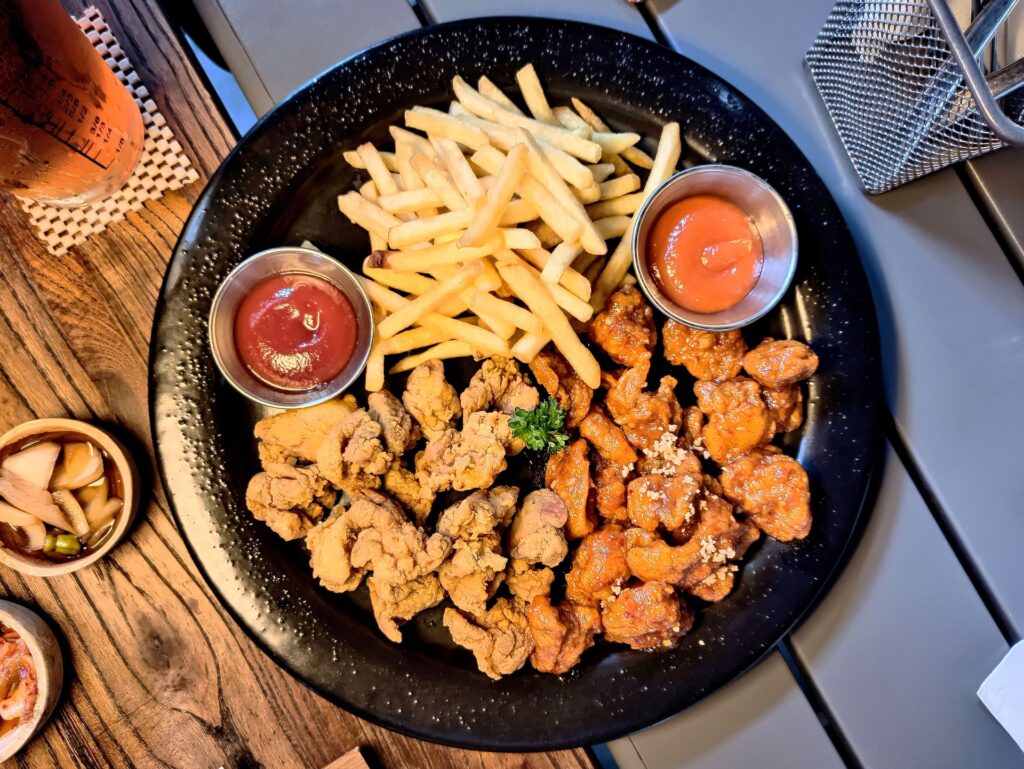
Korean Fried Chicken is known for its crispy coating and variety of sauces. Popular versions include spicy, sweet, soy garlic, and original fried chicken.
It is commonly enjoyed as a casual meal or shared with friends.
9. Gimbap
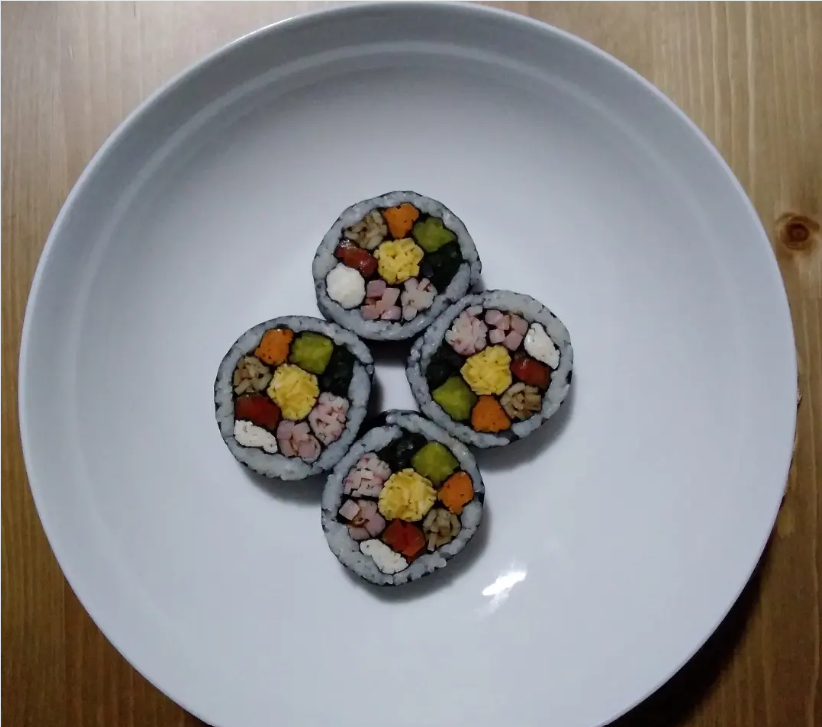
Gimbap is a Korean rice roll made with rice, vegetables, and various fillings wrapped in roasted seaweed.
Common fillings include egg, carrot, spinach, pickled radish, beef, tuna, or other ingredients.
10. Galbi
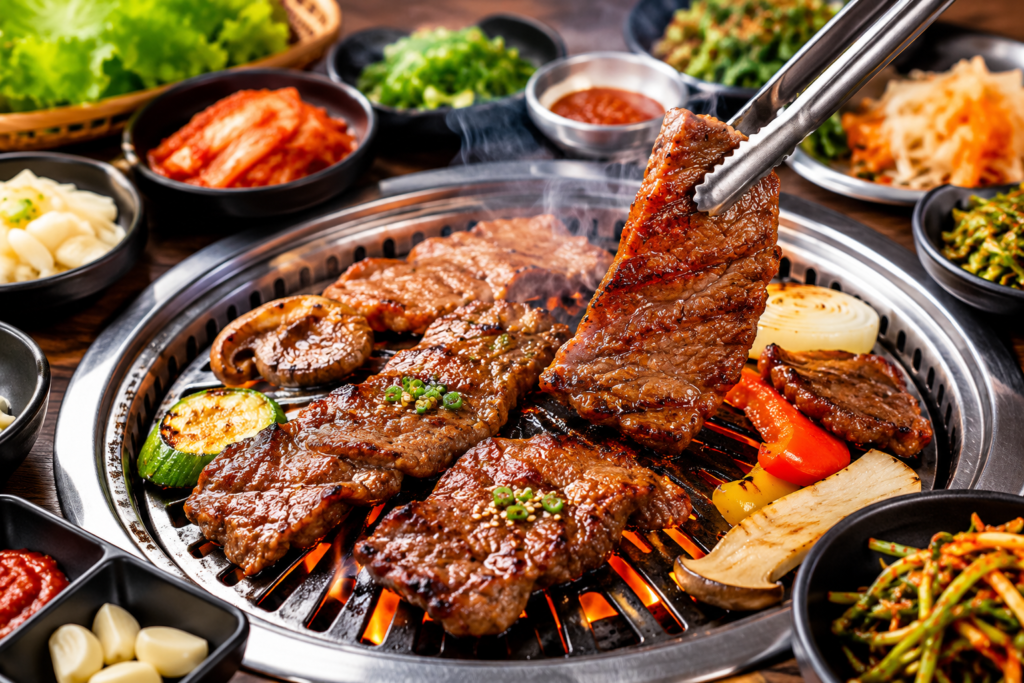
Galbi refers to Korean-style grilled ribs, particularly beef short ribs. The meat is often marinated in a sweet and savoury sauce before grilling.
Galbi is a popular choice at Korean BBQ restaurants.
Korean Soups and Stews
11. Kimchi Jjigae
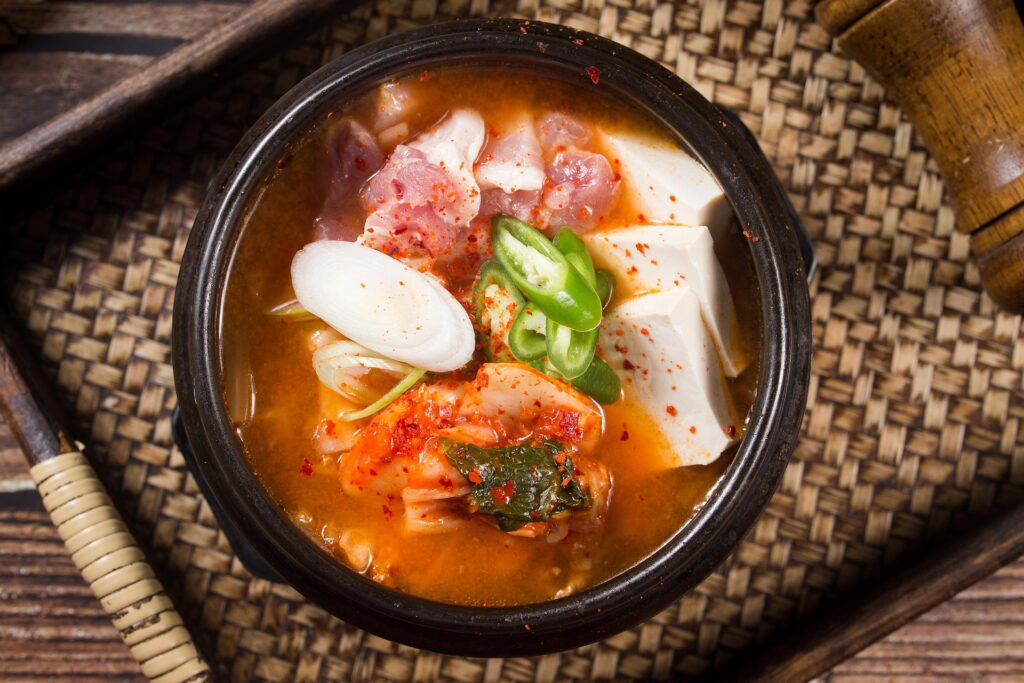
Kimchi Jjigae is a comforting Korean stew made with Kimchi, tofu, vegetables, and often pork or other protein.
It is especially popular as a home-style Korean meal.
12. Sundubu Jjigae
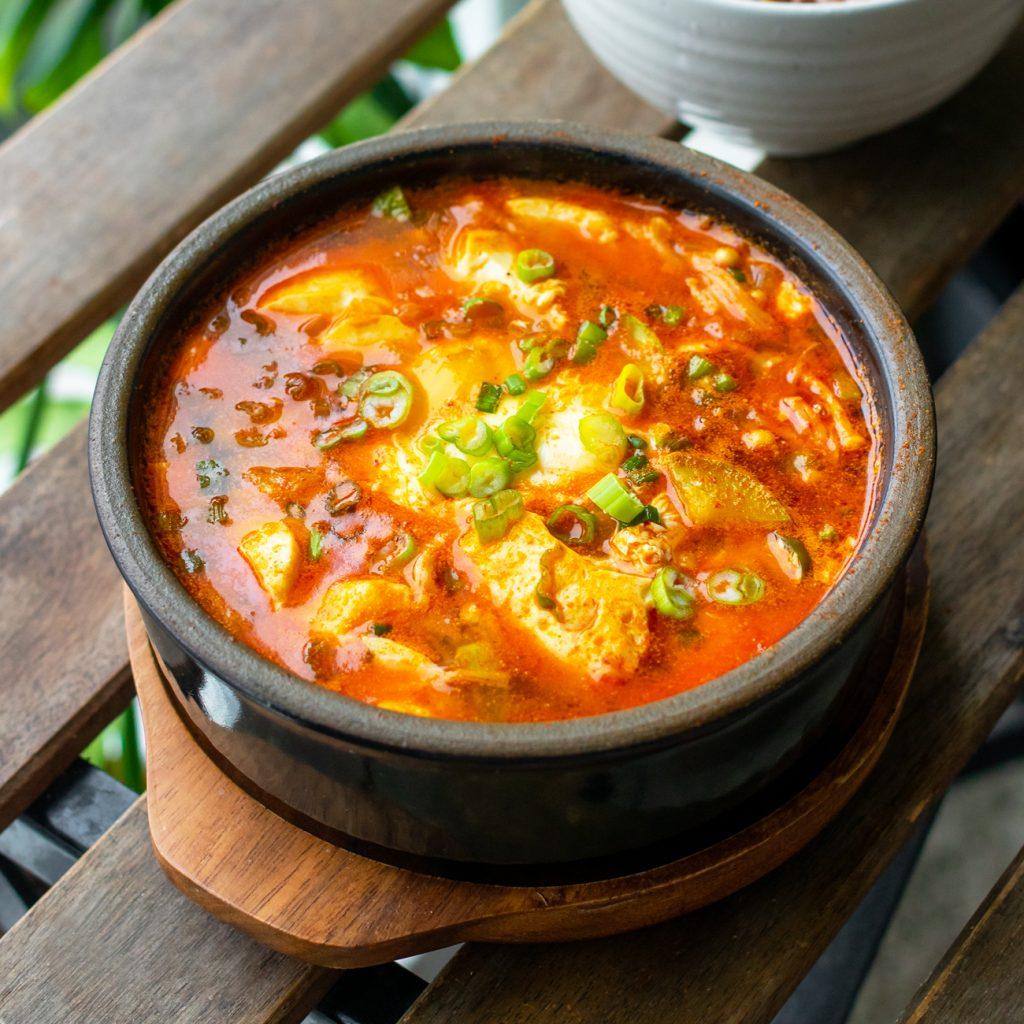
Sundubu Jjigae is a spicy Korean soft tofu stew. It commonly contains soft tofu, vegetables, seafood, meat, and an egg.
The soft texture of the tofu contrasts nicely with the spicy broth.
13. Doenjang Jjigae
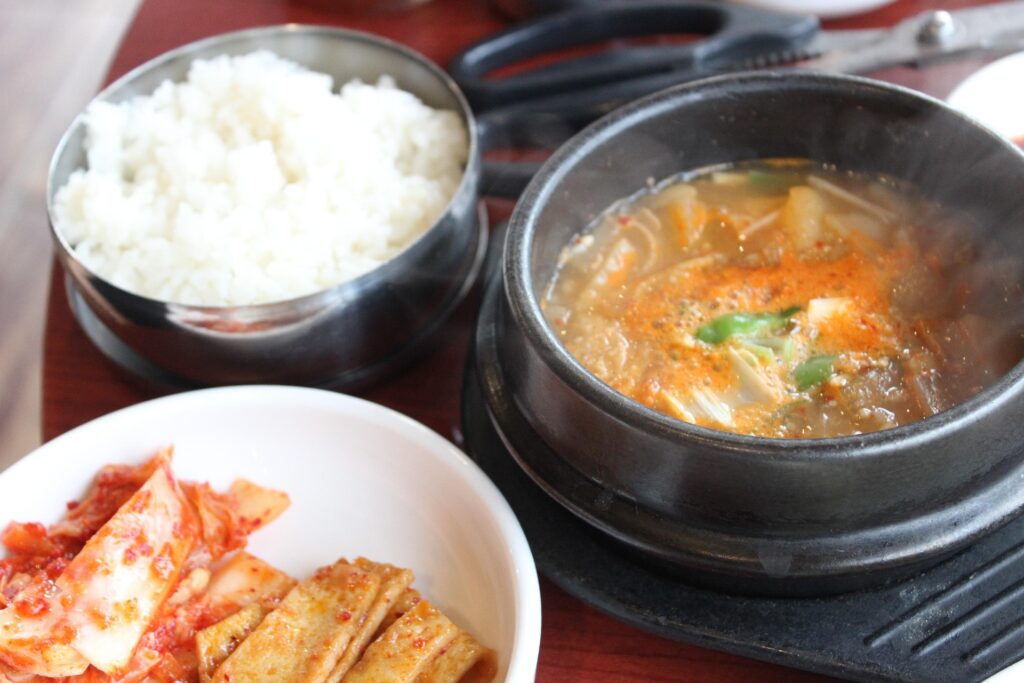
Doenjang Jjigae is a traditional Korean soybean paste stew. It commonly contains tofu, vegetables, mushrooms, and sometimes seafood or meat.
The fermented soybean paste gives the stew its distinctive savoury flavour
14. Budae Jjigae
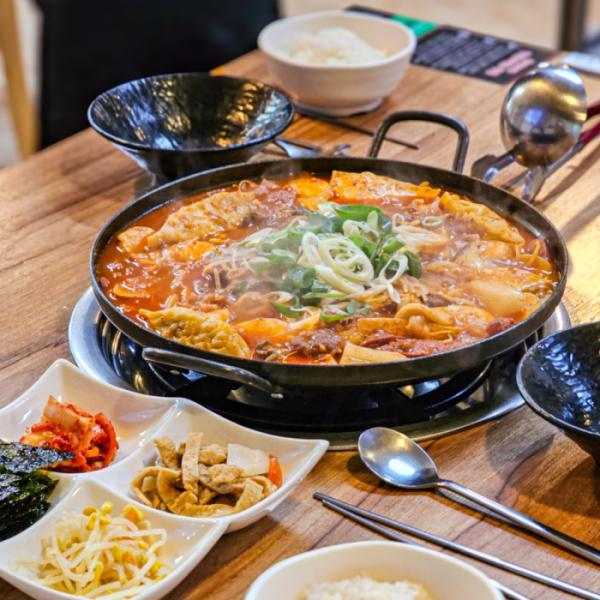
Budae Jjigae is a hearty Korean stew combining ingredients such as sausages, ham, tofu, vegetables, and noodles in a spicy broth.
It is sometimes called Korean Army Stew.
15. Samgyetang
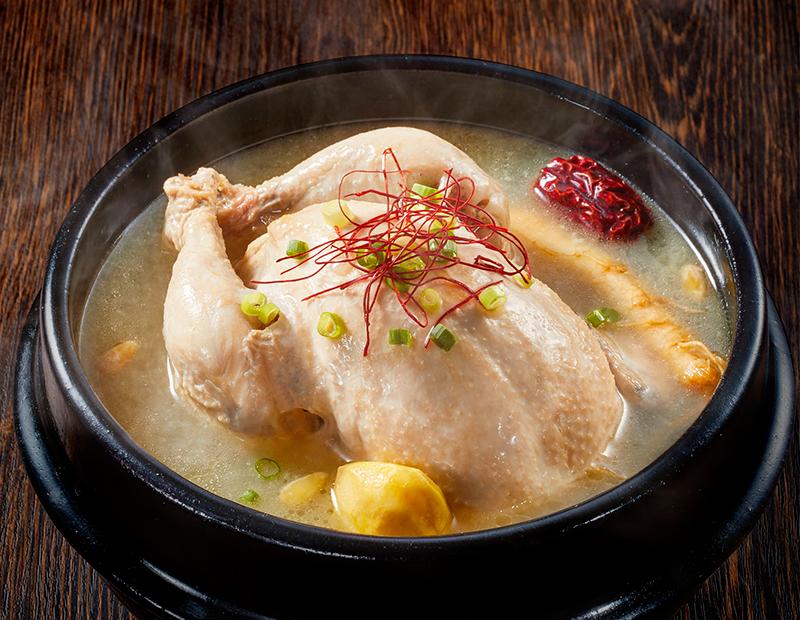
Samgyetang is a traditional Korean chicken soup made with a whole young chicken stuffed with ingredients such as glutinous rice, garlic, jujube, and ginseng.
It is especially associated with Korean summer food traditions.
Korean Noodles
16. Kalguksu
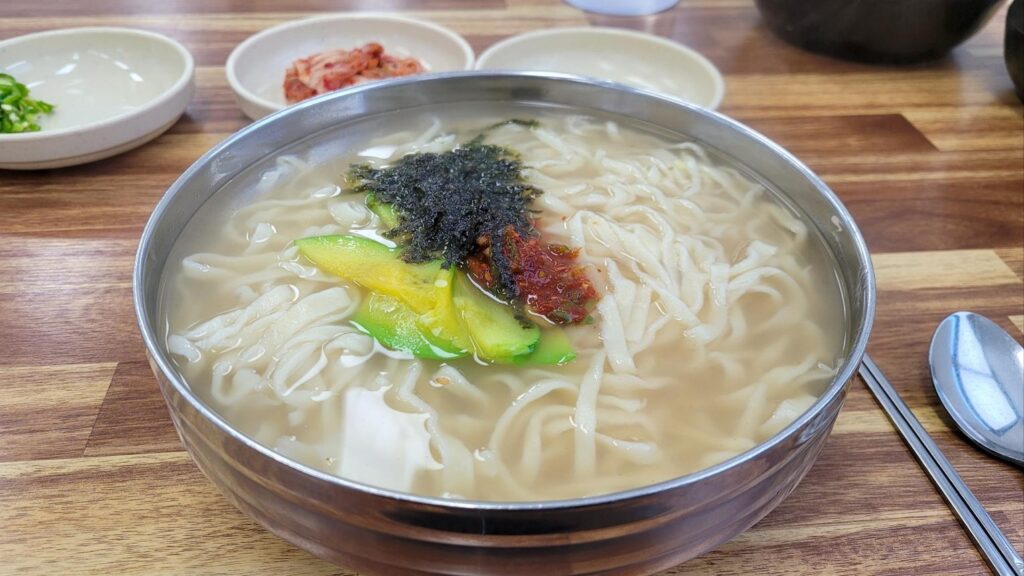
Kalguksu is a Korean noodle soup made with handmade knife-cut noodles served in a warm broth.
It is a comforting dish that is particularly enjoyable during colder weather.
17. Jajangmyeon
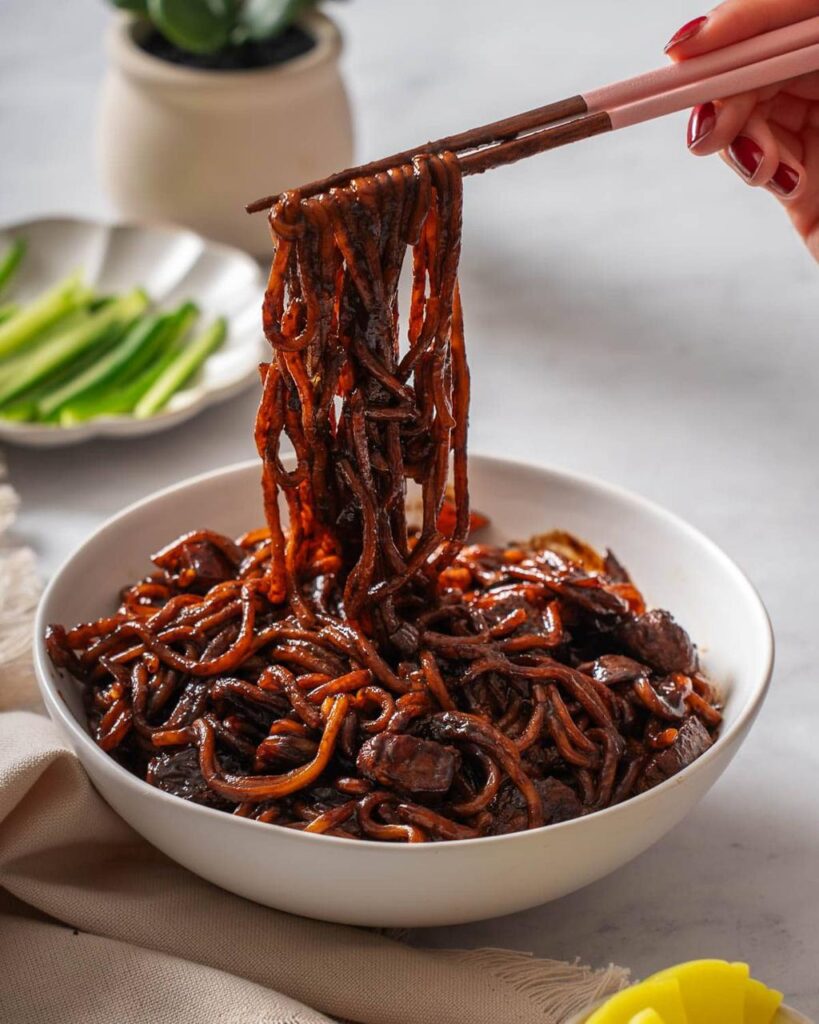
Jajangmyeon consists of thick wheat noodles covered with a rich black bean sauce. Pork and vegetables are commonly included.
It is one of the most popular Korean-Chinese dishes in Korea.
18. Naengmyeon
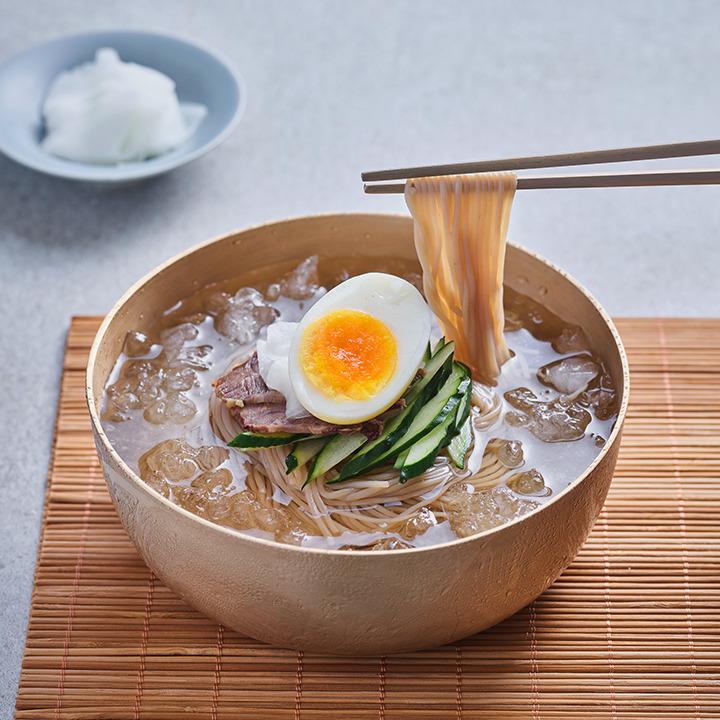
Naengmyeon is a Korean cold noodle dish traditionally served with chilled broth or a spicy sauce.
It is particularly refreshing during the warmer months.
19. Bibim Guksu
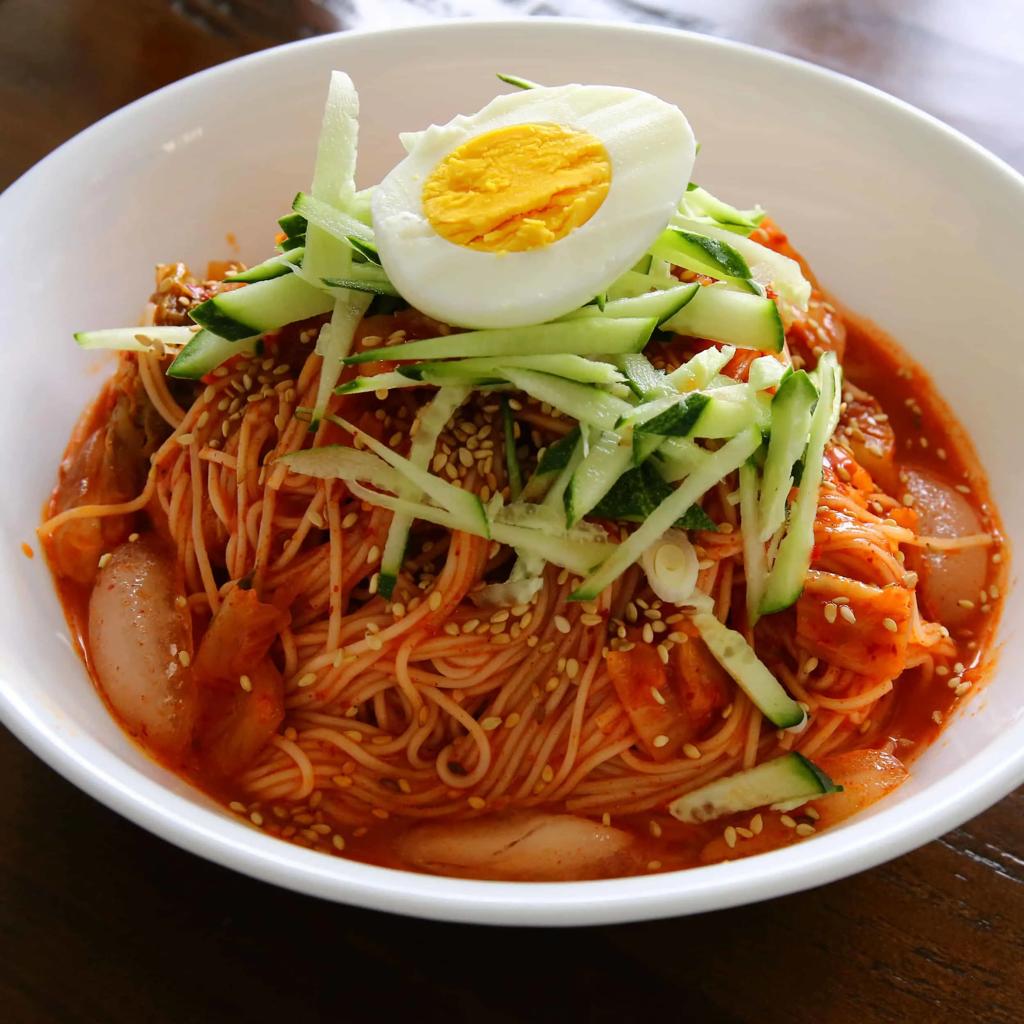
Bibim Guksu is a cold Korean noodle dish mixed with a spicy and sweet sauce.
It is simple, refreshing, and often enjoyed during summer.
20. Ramyeon
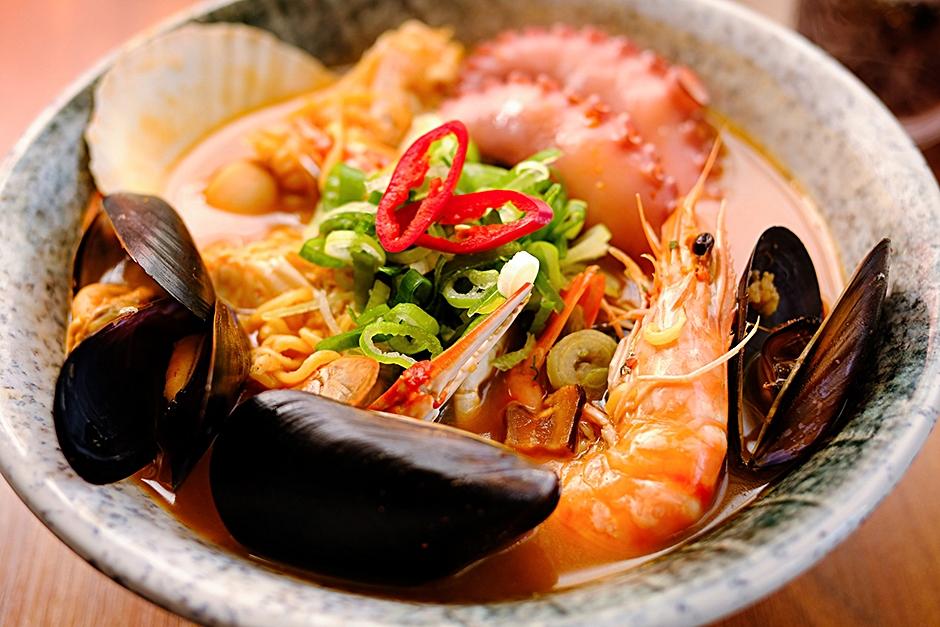
Korean Ramyeon is a popular instant noodle dish known for its spicy and savoury soup.
Eggs, vegetables, spring onions, cheese, or other ingredients can be added to create different versions.
Korean Rice Dishes
21. Kimchi Fried Rice
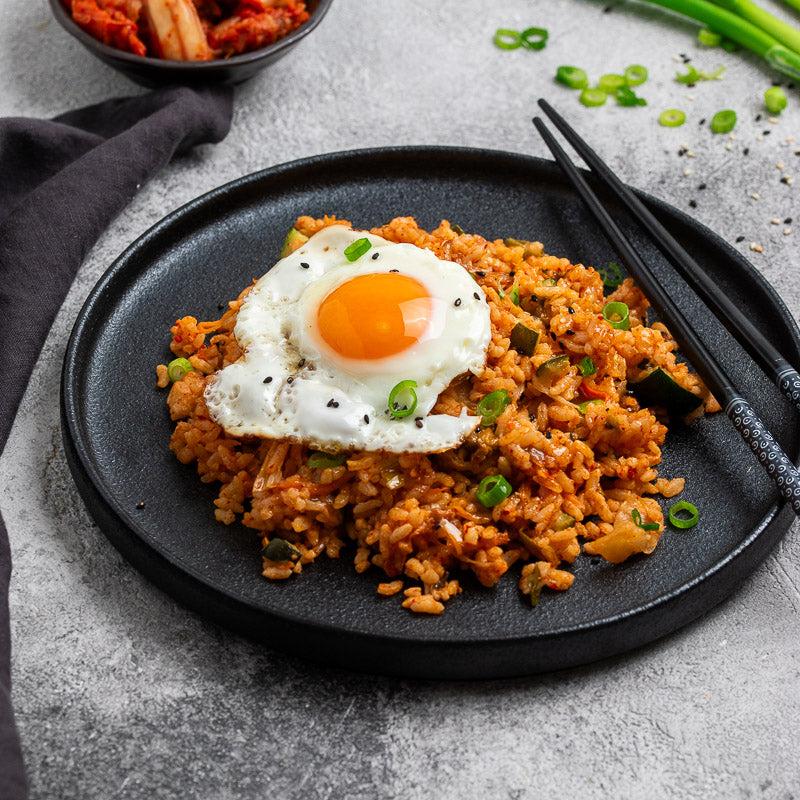
Kimchi Fried Rice combines cooked rice with Kimchi and seasonings. Eggs, pork, vegetables, or seaweed can also be added.
It is a simple and popular Korean comfort food.
22. Juk
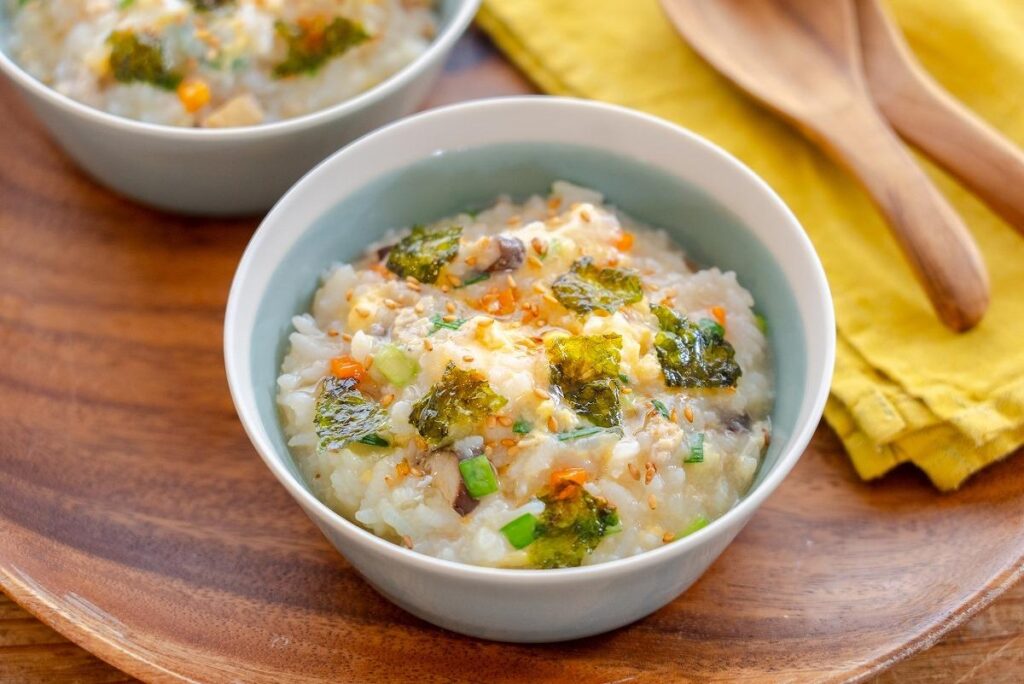
Juk is Korean rice porridge. It can be prepared with ingredients such as chicken, seafood, vegetables, mushrooms, or pumpkin.
It is often enjoyed as a gentle and comforting meal.
23. Dakgalbi
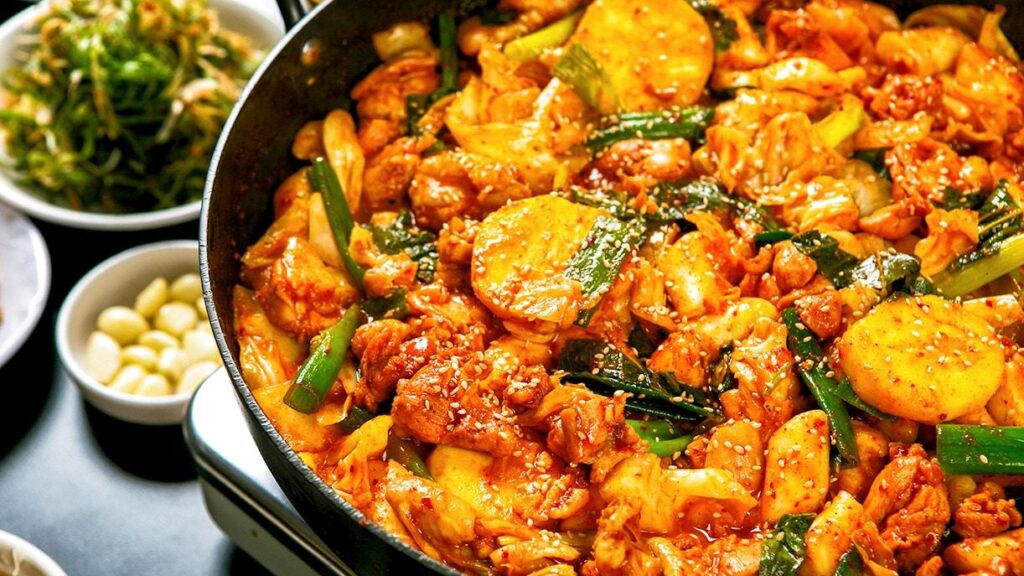
Dakgalbi is a spicy stir-fried chicken dish associated with Chuncheon. Chicken, cabbage, sweet potato, rice cakes, and spicy sauce are cooked together in a large pan.
A popular way to finish the meal is Dakgalbi fried rice.
24. Bossam
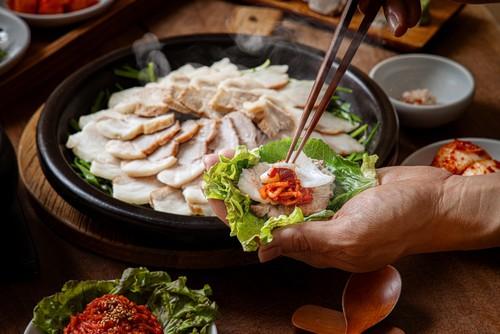
Bossam is boiled pork served with vegetables, Kimchi, sauces, and other accompaniments.
The tender pork is commonly wrapped in lettuce or other vegetables before eating.
25. Jeyuk Bokkeum
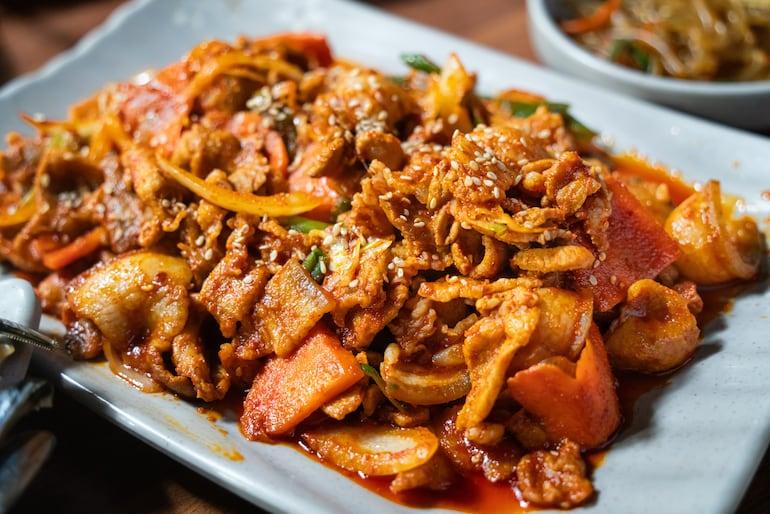
Jeyuk Bokkeum is spicy stir-fried pork cooked with vegetables and Korean chilli seasoning.
It has a bold flavour and is commonly served with rice and side dishes.
Korean Pancakes and Dumplings
26. Haemul Pajeon
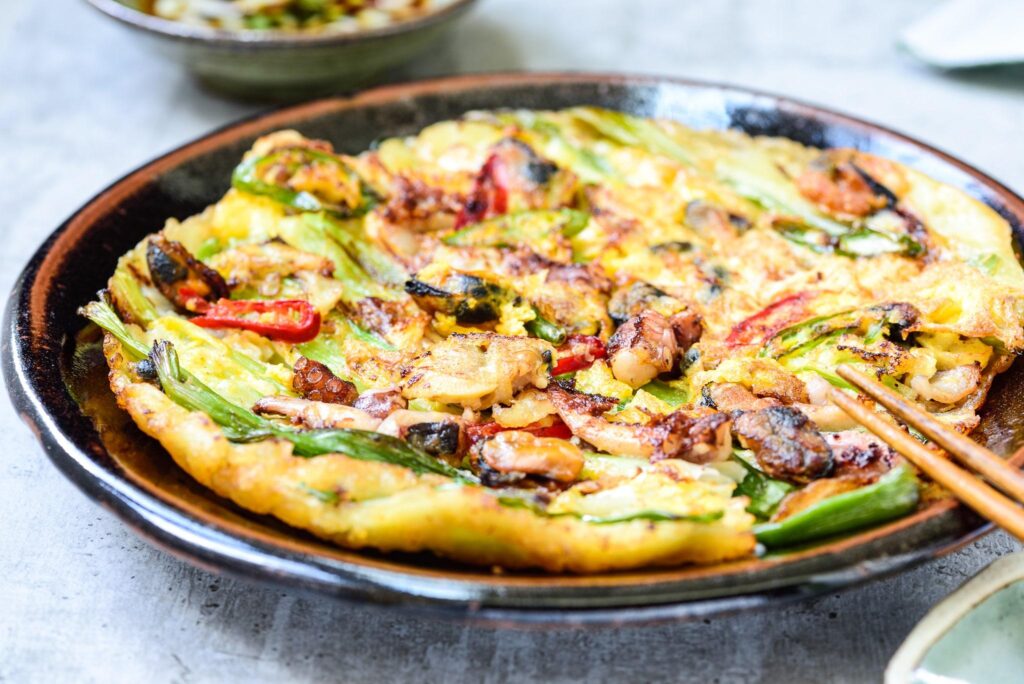
Haemul Pajeon is a Korean savoury pancake made with green onions and seafood.
It is often enjoyed with a soy-based dipping sauce.
27. Mandu
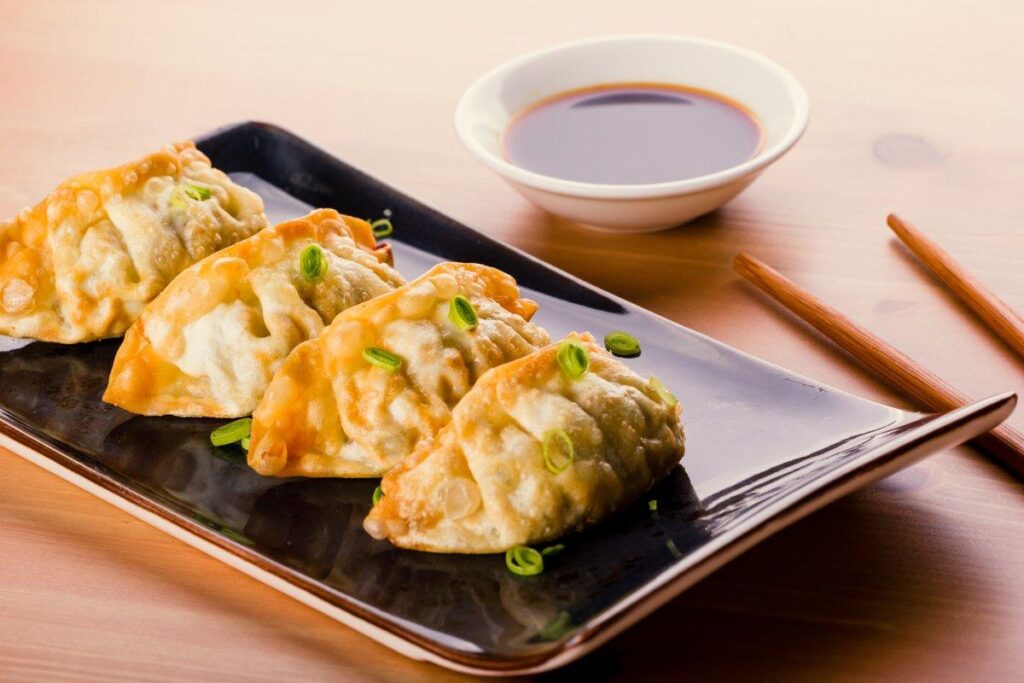
Mandu are Korean dumplings filled with ingredients such as meat, tofu, vegetables, or glass noodles.
They can be steamed, boiled, fried, or added to soup.
28. Kimchi Jeon
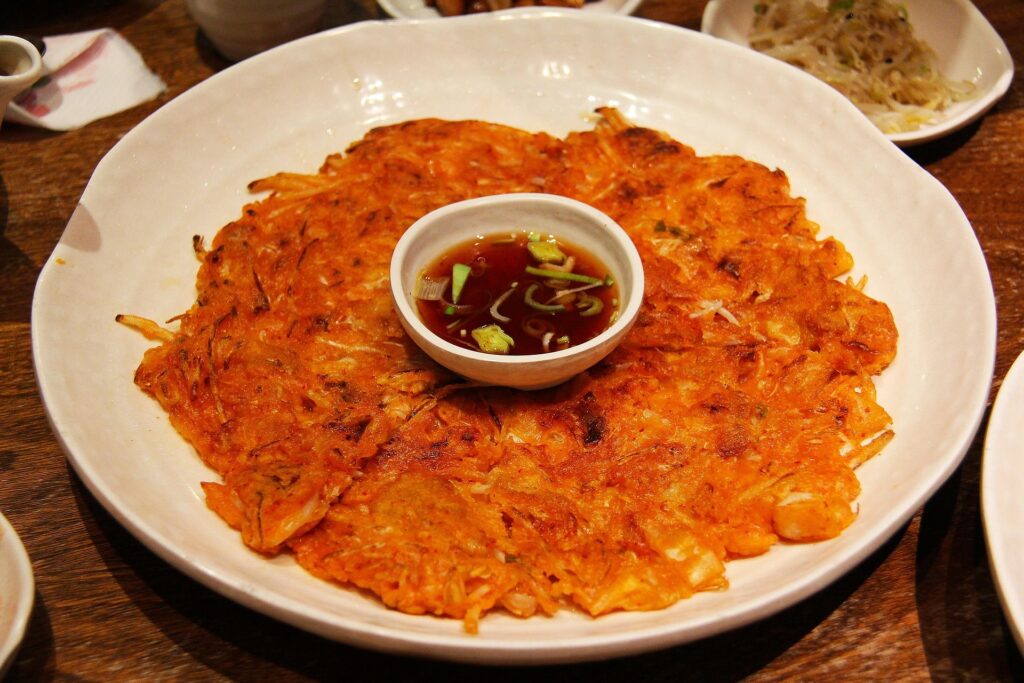
Kimchi Jeon is a savoury Korean pancake made with Kimchi and pancake batter.
The crispy edges and spicy-sour Kimchi flavour make it a popular Korean comfort food.
Korean Street Foods
29. Korean Corn Dog
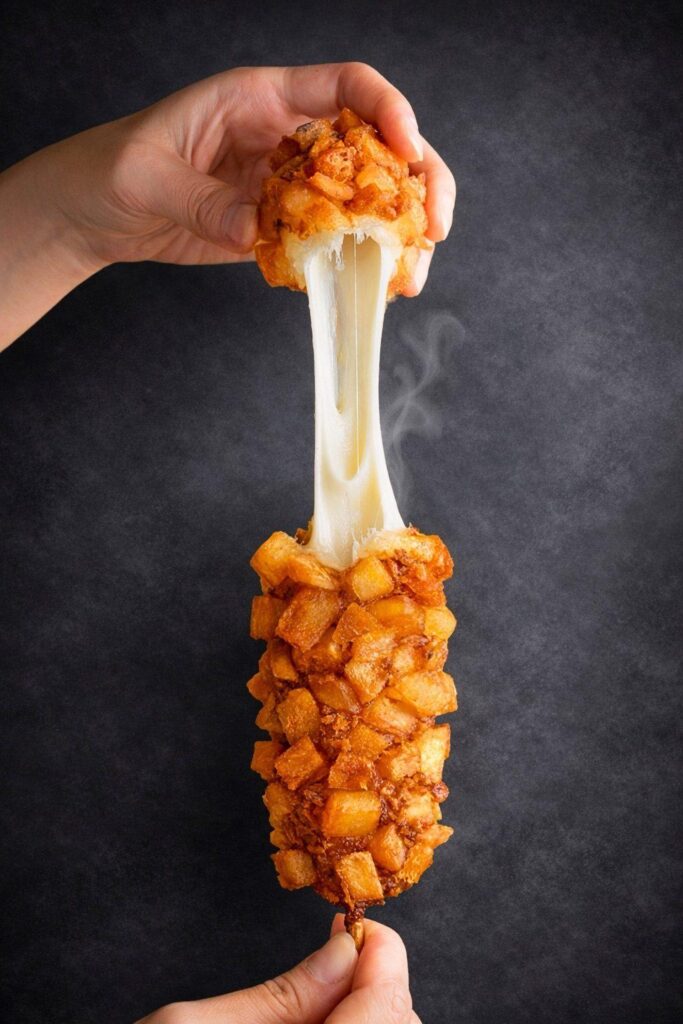
Korean Corn Dogs are popular Korean street snacks featuring sausages or cheese coated in batter and fried until crispy.
Some versions are finished with sugar and sauces.
30. Eomuk
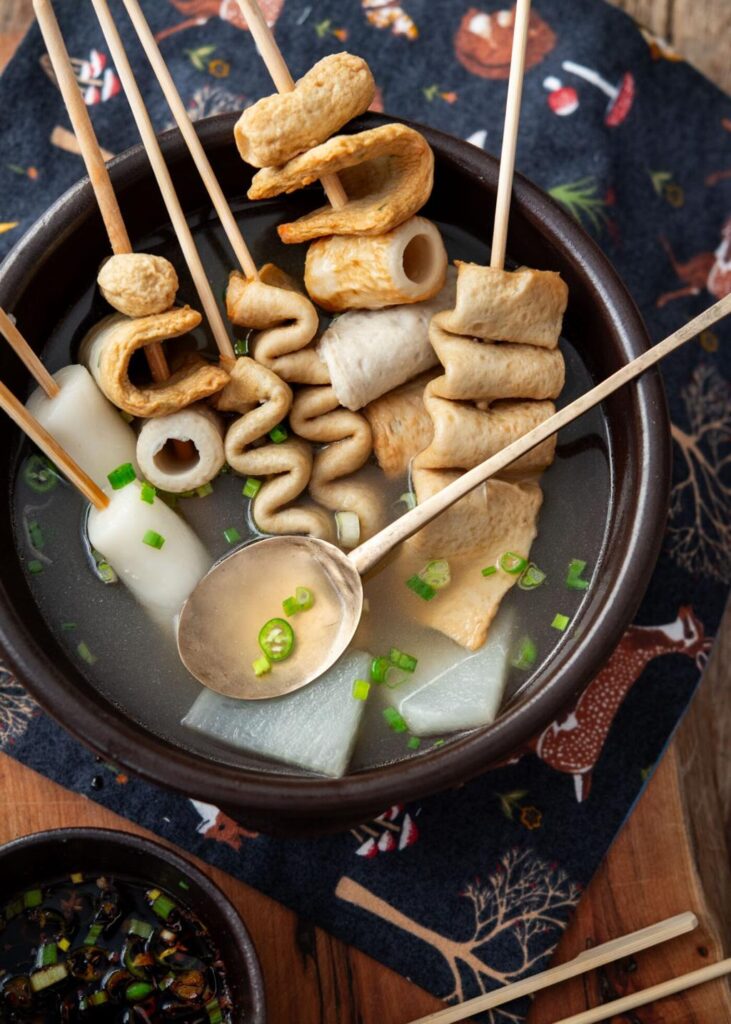
Eomuk is a Korean fish cake commonly served on skewers with warm broth.
It is a familiar sight at Korean street food stalls and markets.
31. Hotteok

Hotteok is a popular Korean sweet pancake. It is usually filled with brown sugar, cinnamon, and nuts or seeds.
The crispy outside and warm sweet filling make it a favourite winter street food.
32. Gyeranppang
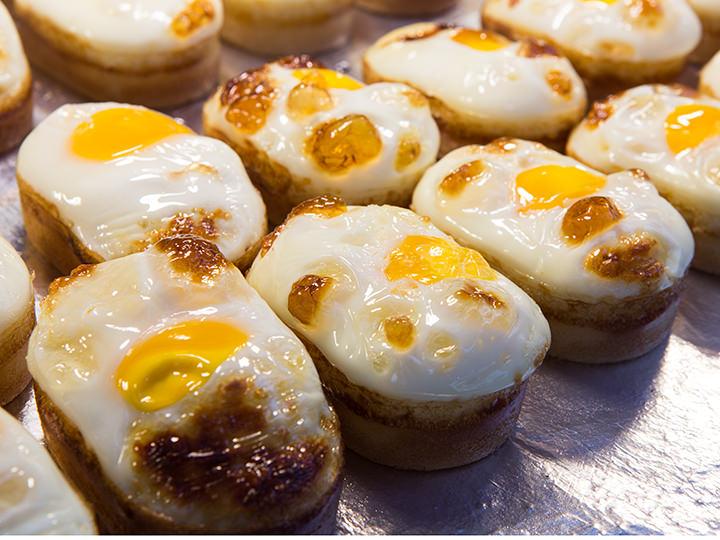
Gyeranppang is Korean egg bread made with a soft bread-like batter and an egg baked on top.
It is commonly sold as a warm street snack.
33. Bungeoppang
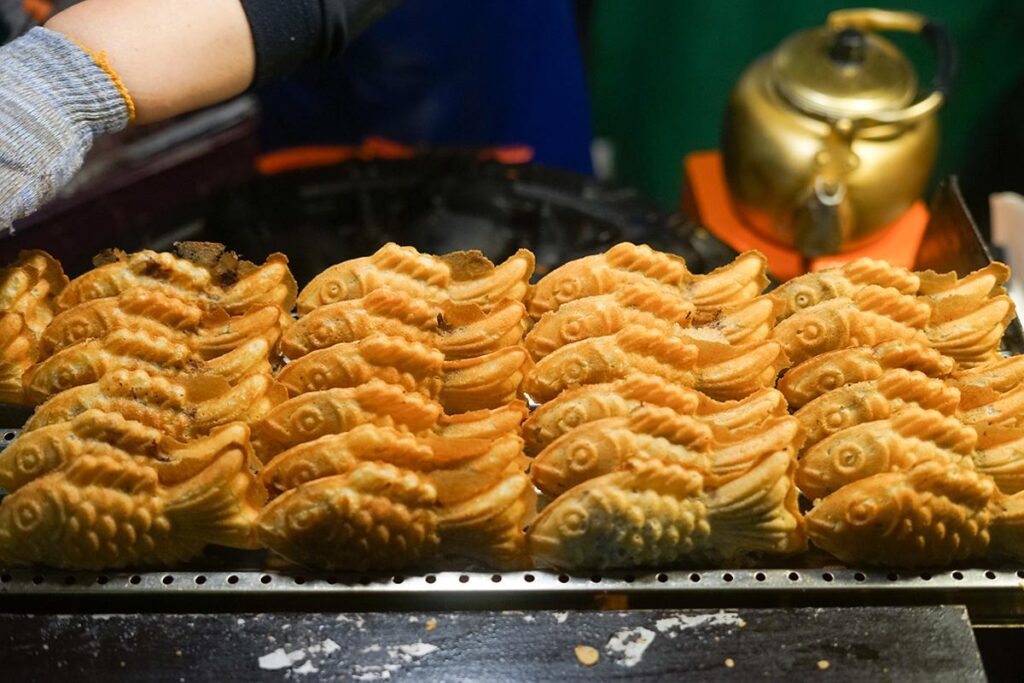
Bungeoppang is a fish-shaped Korean pastry traditionally filled with sweet red bean paste.
It is a popular Korean winter street food.
34. Tornado Potato

Tornado Potato is a spiral-cut potato on a skewer that is deep-fried until crispy.
It has become a popular Korean-style street food snack.
More Traditional Korean Foods
35. Galbitang
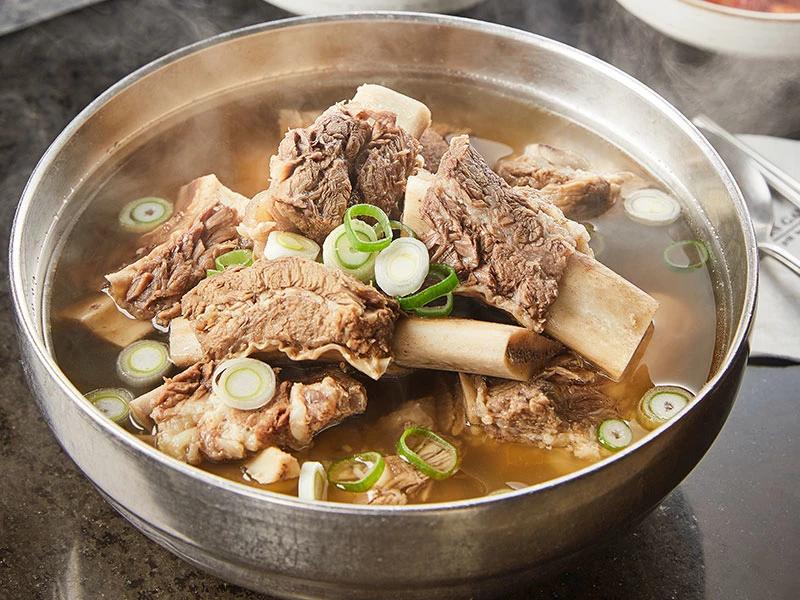
Galbitang is a clear Korean beef short rib soup. The broth is light but savoury, and the tender beef makes it a satisfying meal.
36. Seolleongtang
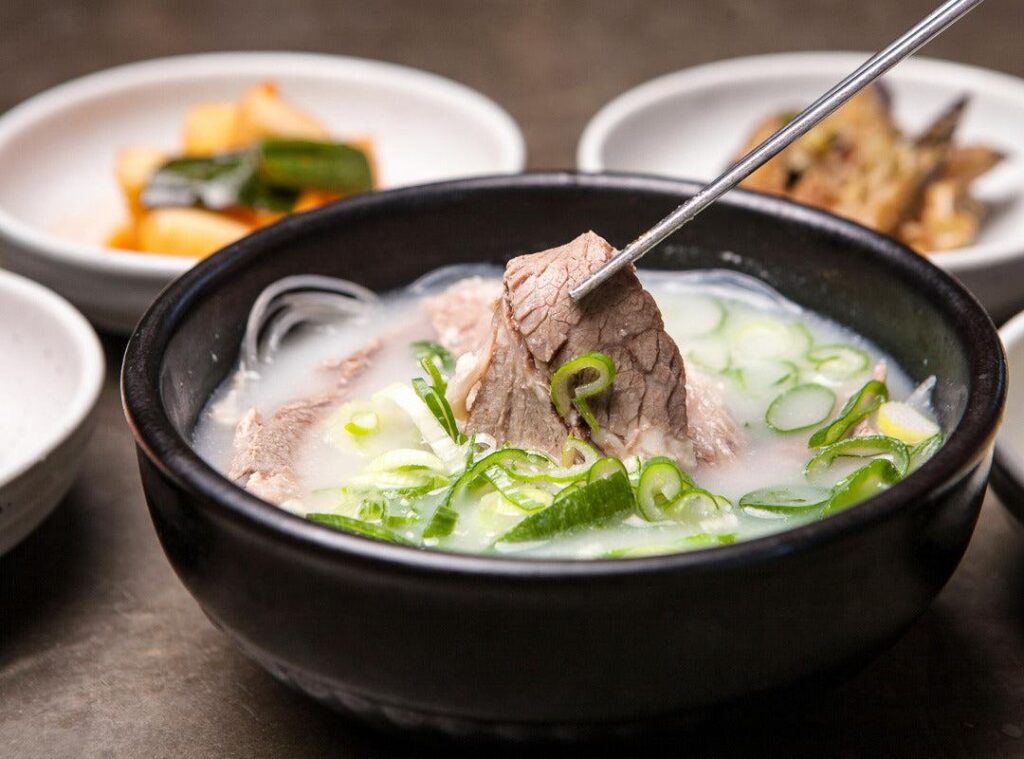
Seolleongtang is a traditional Korean ox bone soup with a milky-white broth.
It is usually served with rice and Kimchi.
37. Samgyeopsal Bokkeum
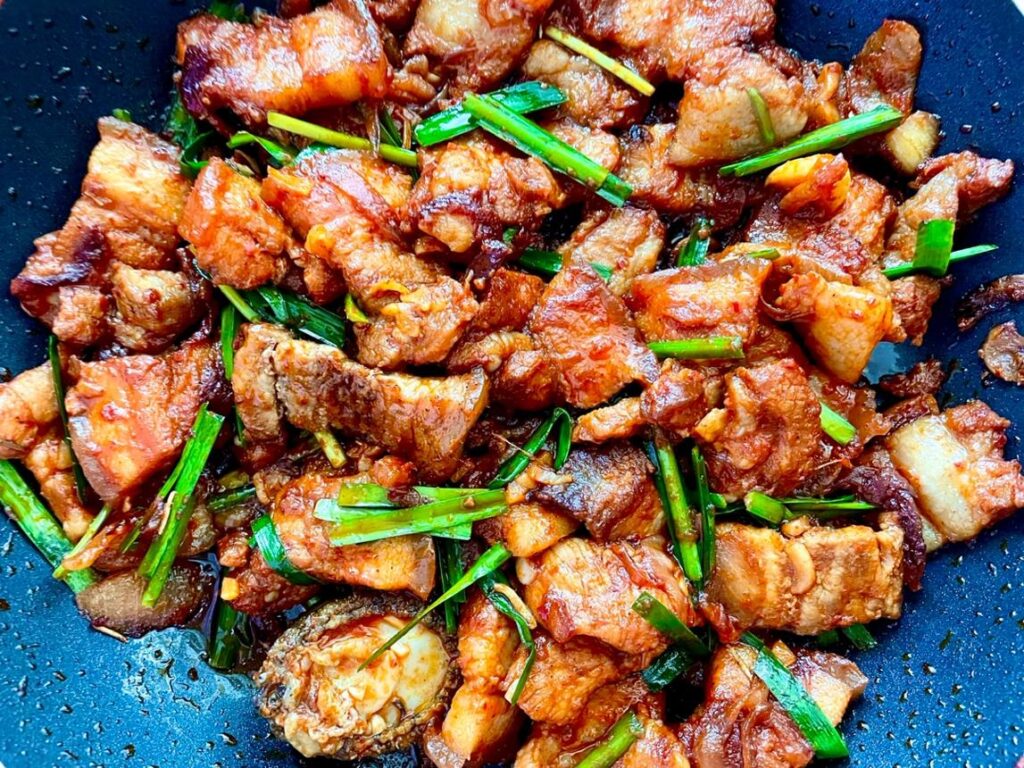
Samgyeopsal can also be stir-fried with vegetables and Korean seasonings for a rich and satisfying meal.
38. Japgokbap
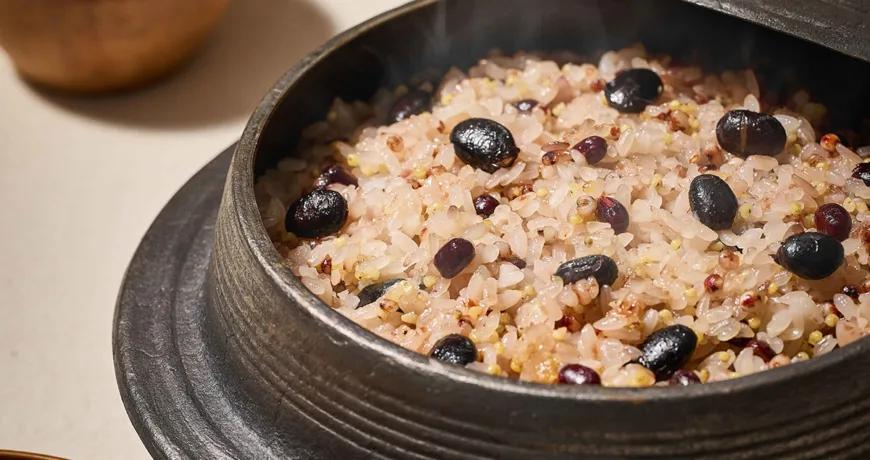
Japgokbap is Korean multigrain rice made by combining rice with grains and beans.
It is commonly enjoyed as part of a traditional Korean meal.
39. Kongguksu
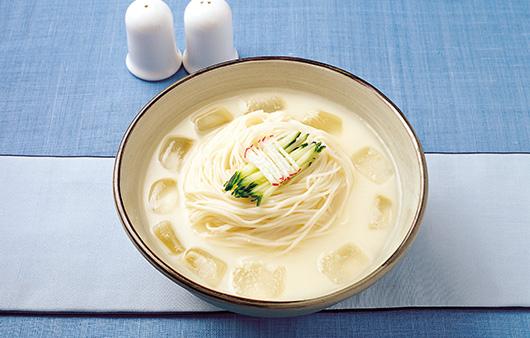
Kongguksu is a Korean cold noodle dish served in a chilled soybean-based broth.
It is particularly popular during summer.
40. Gukbap
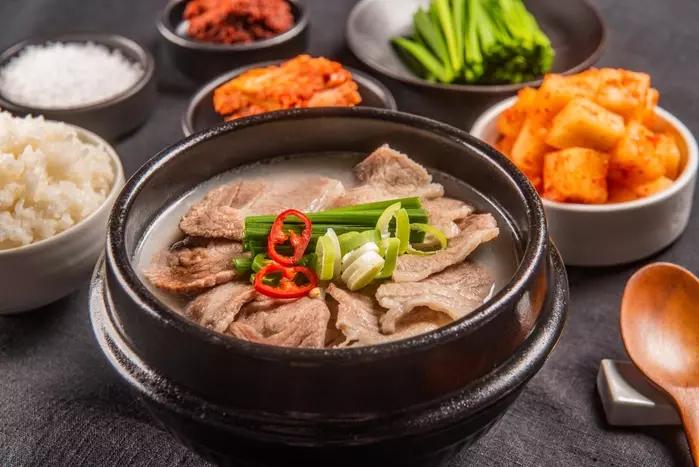
Gukbap literally refers to soup served with rice. There are many regional varieties using different meats, vegetables, and broths.
It is a comforting and filling Korean meal.
Korean Side Dishes and Snacks
41. Banchan
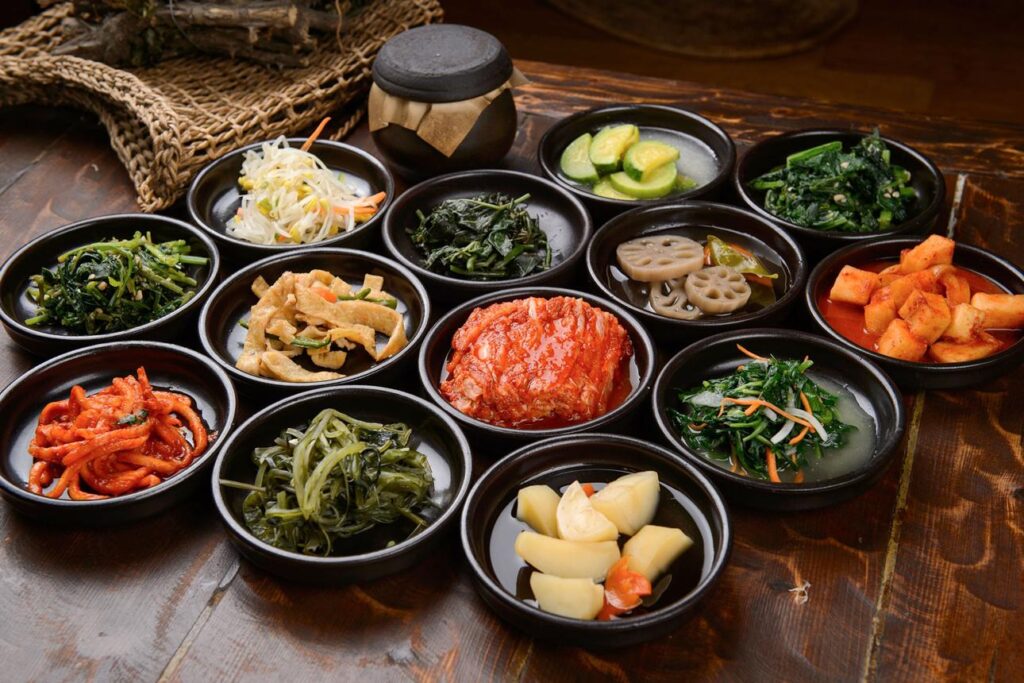
Banchan refers to the small side dishes served alongside Korean meals.
Examples include seasoned vegetables, Kimchi, pickled vegetables, and other traditional dishes.
42. Gamja Jorim
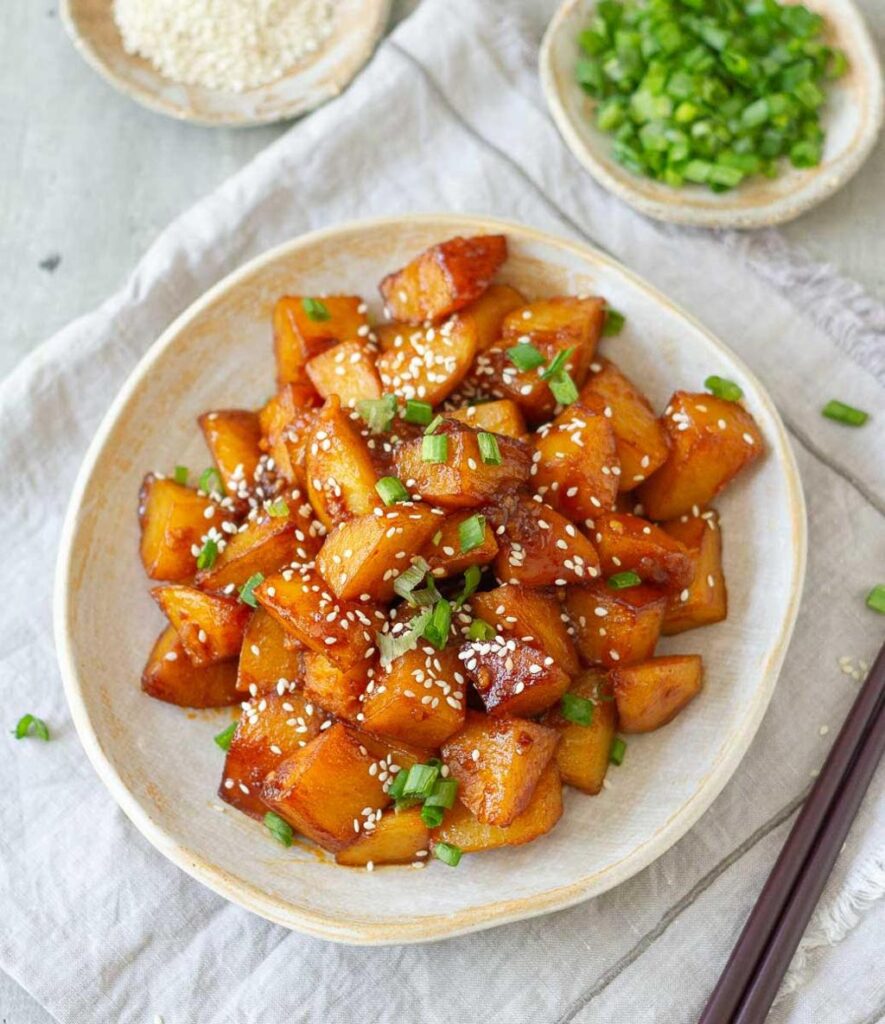
Gamja Jorim is Korean braised potatoes cooked in a sweet and savoury soy-based sauce.
It is a common home-style side dish.
43. Dubu Jorim
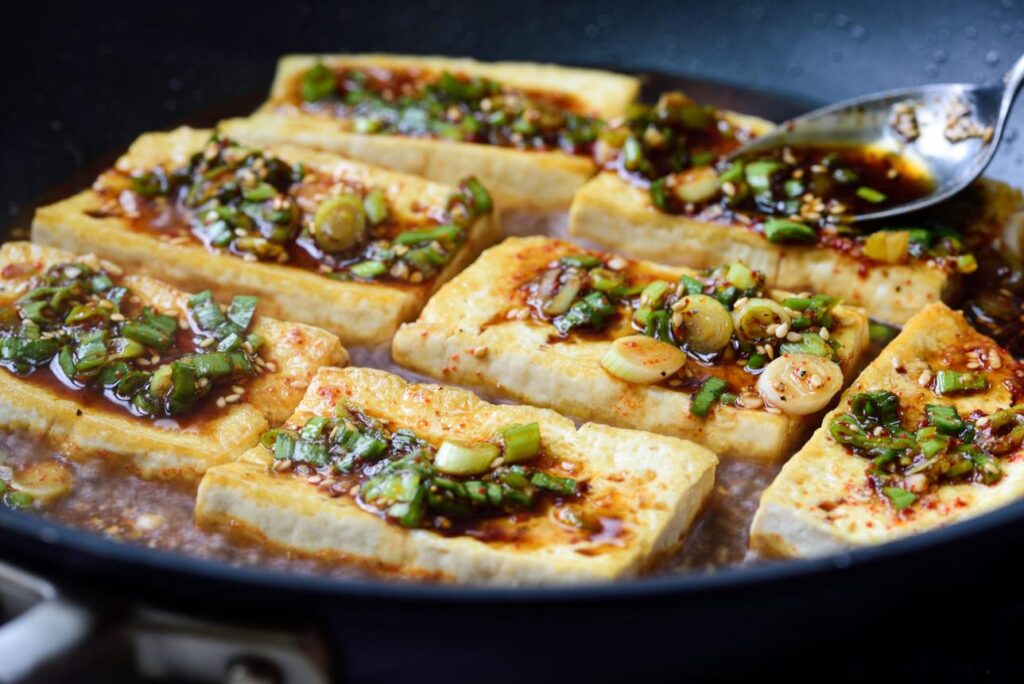
Dubu Jorim is braised tofu cooked with a savoury and slightly spicy sauce.
The soft tofu absorbs the seasoning and makes a delicious side dish.
44. Kongnamul Muchim
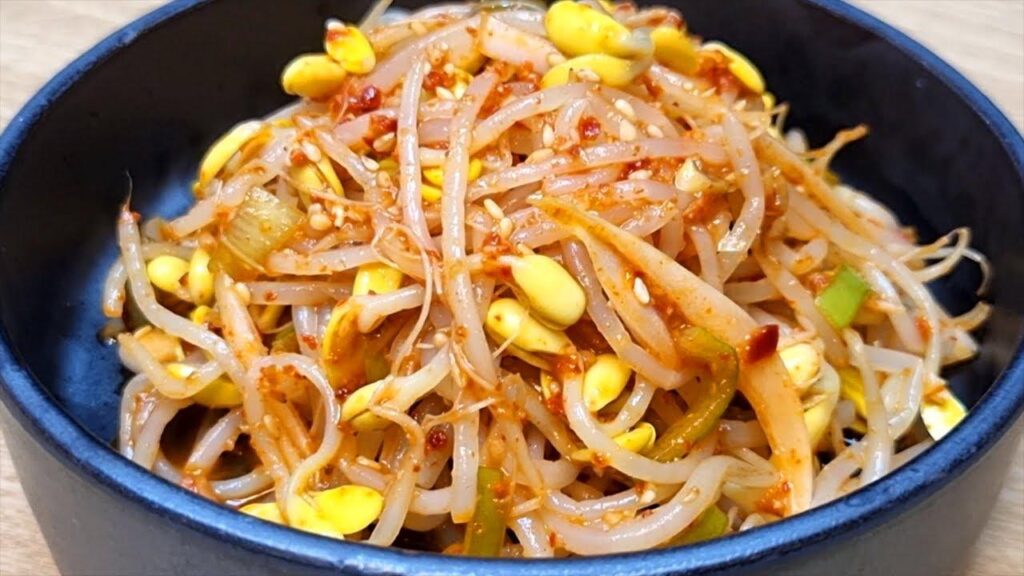
Kongnamul Muchim is a simple Korean seasoned soybean sprout side dish.
It is commonly served as part of a selection of Banchan.
45. Gamja Salad
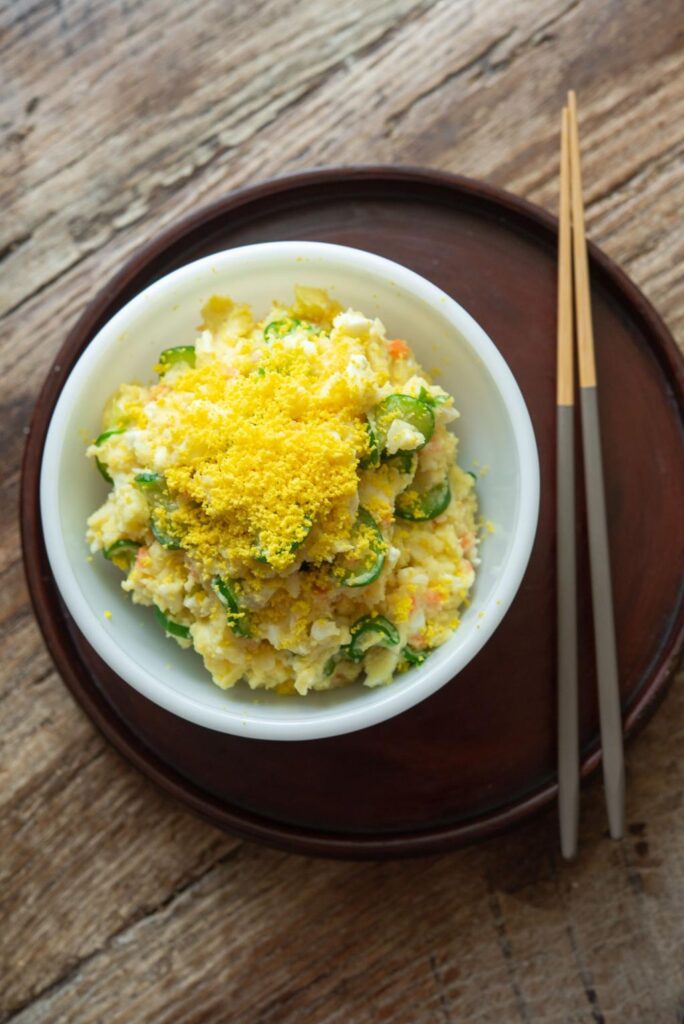
Korean-style potato salad is a creamy side dish often served with Korean meals and at restaurants.
Korean Desserts and Drinks
46. Patbingsu
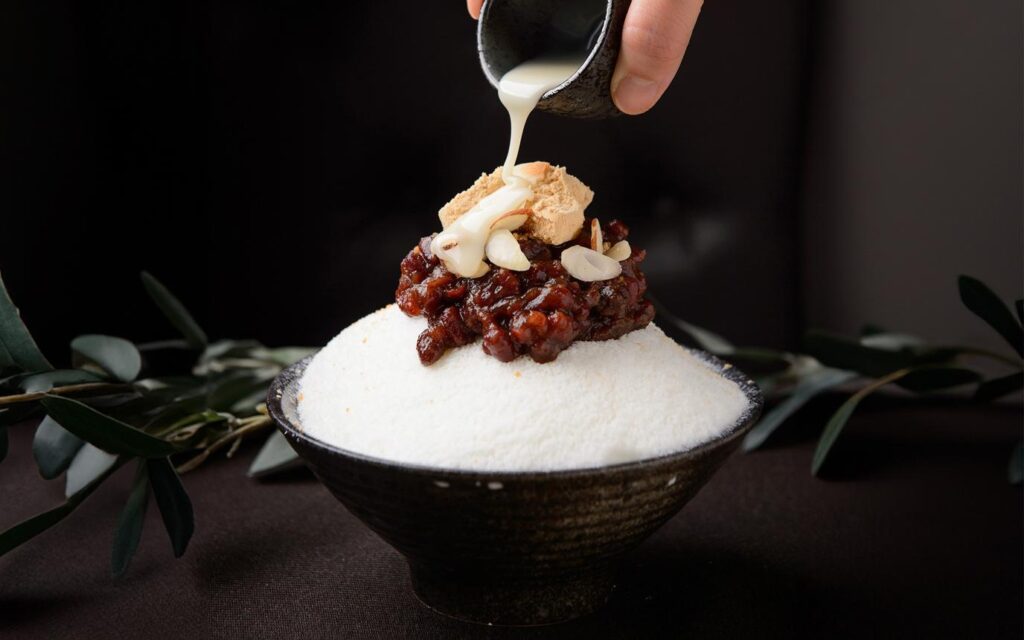
Patbingsu is a popular Korean shaved ice dessert traditionally topped with sweet red beans.
Modern versions may include fruit, condensed milk, ice cream, or other toppings.
47. Sikhye
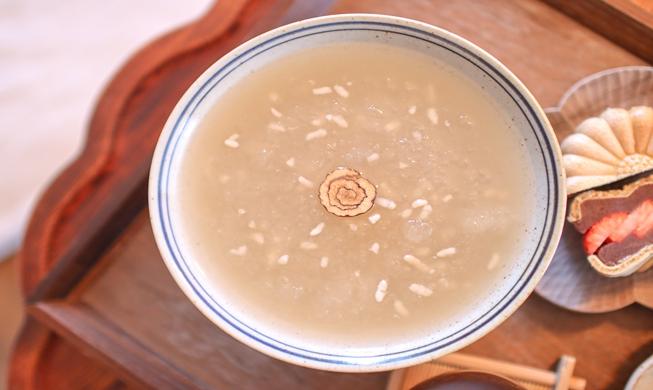
Sikhye is a traditional Korean sweet rice drink made with malted barley.
It is often served chilled and is particularly popular during holidays and after meals.
48. Yaksik

Yaksik is a traditional Korean sweet rice dessert made with glutinous rice, nuts, dried fruit, and sweet seasonings.
It has a soft and chewy texture.
49. Yakgwa
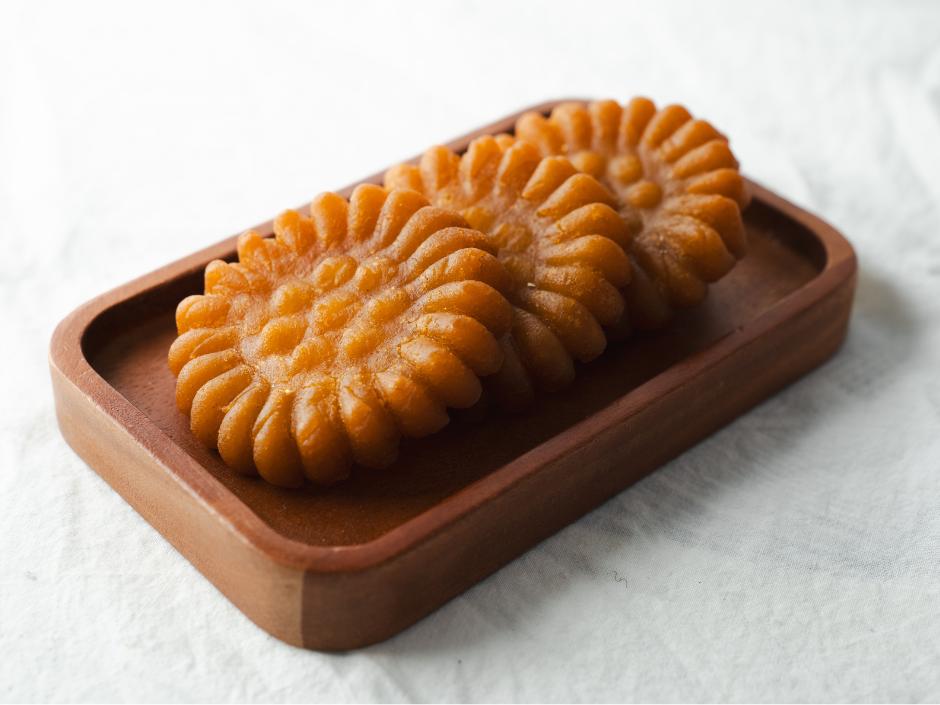
Yakgwa is a traditional Korean honey pastry made from wheat flour and honey.
It has a soft, chewy texture and is associated with Korean traditional celebrations.
50. Tteok
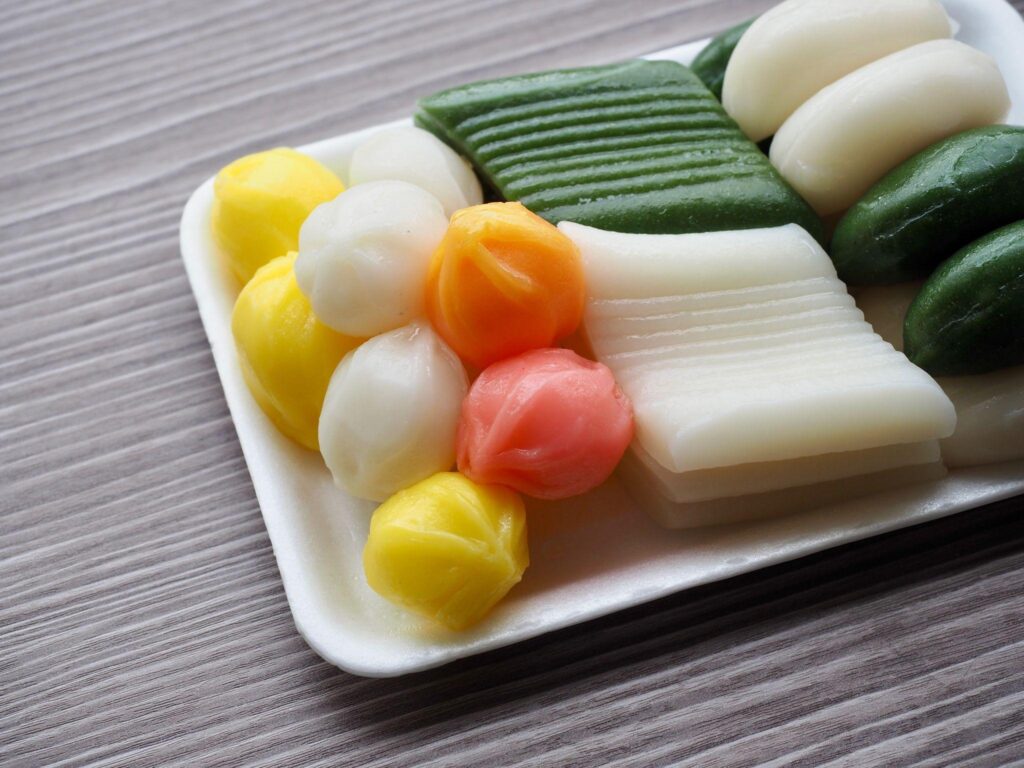
Tteok refers to Korean rice cakes made from rice or glutinous rice.
There are many varieties, ranging from savoury rice cakes used in Tteokbokki to sweet traditional rice cakes enjoyed during celebrations.
How to Choose Korean Food for the First Time
If you are new to Korean cuisine, you do not need to try everything at once.
For a mild and familiar introduction, Bulgogi, Japchae, Gimbap, and Bibimbap are good choices.
If you enjoy spicy food, try Tteokbokki, Kimchi Jjigae, Dakgalbi, or Jeyuk Bokkeum.
For a Korean BBQ experience, Samgyeopsal and Galbi are popular choices.
If you prefer noodles, try Jajangmyeon, Kalguksu, Naengmyeon, or Korean Ramyeon.
For something sweet, Hotteok, Bungeoppang, or Patbingsu are worth trying.
Korean Food in Australia
Korean cuisine has become increasingly familiar to Australian diners. Korean restaurants, food businesses, markets, and food festivals have helped introduce dishes such as Korean BBQ, Bibimbap, Bulgogi, Fried Chicken, Tteokbokki, and Kimchi to a wider audience.
One of the appealing features of Korean food is its variety. Diners can choose grilled meat, rice dishes, noodles, soups, vegetarian dishes, spicy foods, mild foods, snacks, and desserts.
For Australians who are new to Korean cuisine, starting with familiar ingredients such as rice, chicken, beef, vegetables, and noodles can make the experience more approachable.
Why Korean Food Is Popular Around the World
Korean food offers a wide range of flavours and textures.
Fermented foods such as Kimchi provide distinctive flavours, while grilled meats such as Bulgogi and Galbi offer rich savoury tastes. Dishes such as Bibimbap provide colourful vegetables and rice, while Korean street foods offer convenient snacks.
Korean food is also closely connected with sharing. Korean BBQ, Banchan, hot pots, and large dishes are often enjoyed with family and friends.
This combination of flavour, variety, presentation, and social dining has helped Korean cuisine gain international popularity.
Frequently Asked Questions
What is the most famous Korean food?
Kimchi is probably the most internationally recognised Korean food, while Bibimbap, Bulgogi, Korean BBQ, and Tteokbokki are also extremely popular.
What Korean food is good for beginners?
Bibimbap, Bulgogi, Japchae, Gimbap, and Korean Fried Chicken are good choices for people trying Korean food for the first time.
What is the spiciest Korean food?
The level of spice varies by dish and recipe. Tteokbokki, Kimchi Jjigae, Dakgalbi, and some varieties of Ramyeon can be quite spicy.
What Korean food is vegetarian?
Vegetarian versions of Bibimbap, Japchae, Gimbap, Jeon, and various Banchan can be prepared without meat. However, ingredients and cooking methods vary, so it is important to check with the restaurant.
What Korean food should I try in Australia?
Popular choices include Korean BBQ, Bibimbap, Bulgogi, Korean Fried Chicken, Tteokbokki, Japchae, and Gimbap.
Final Thoughts
Korean cuisine is much more than Kimchi and Korean BBQ. From traditional soups and stews to colourful rice dishes, handmade noodles, street foods, desserts, and small side dishes, Korea offers an incredible variety of food.
The best way to discover Korean food is to try different flavours and styles. Start with a dish that looks familiar, then gradually explore new ingredients and traditional dishes.
Whether you are enjoying Korean food at home, visiting a Korean restaurant in Australia, or travelling to Korea, these 50 dishes provide a great introduction to the diversity of Korean cuisine.
Which Korean food would you like to try first?
Korean Food Resources
If you would like to learn more about Korean food, travel, and Korean food culture, visit the official VISITKOREA website provided by the Korea Tourism Organization.