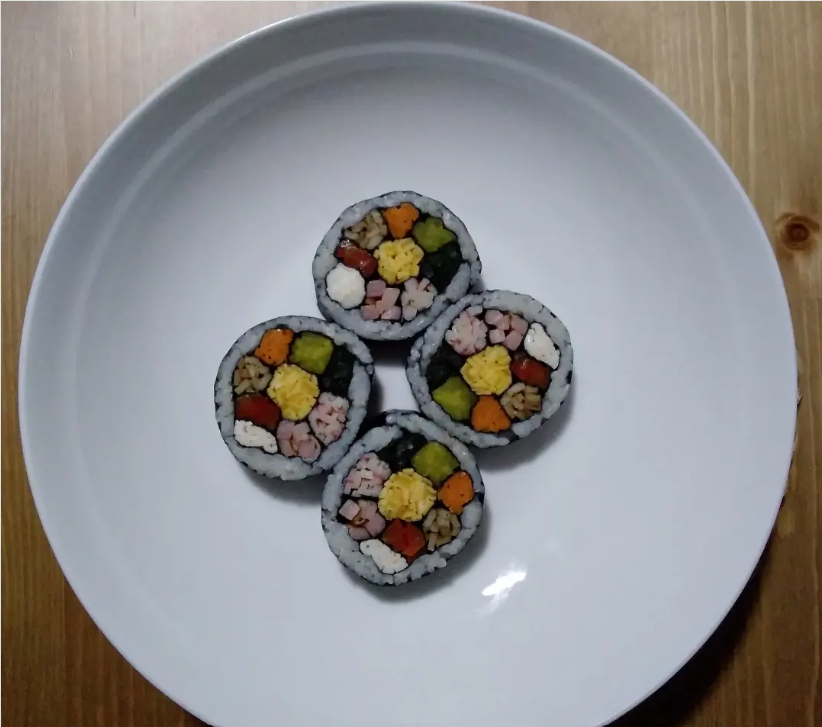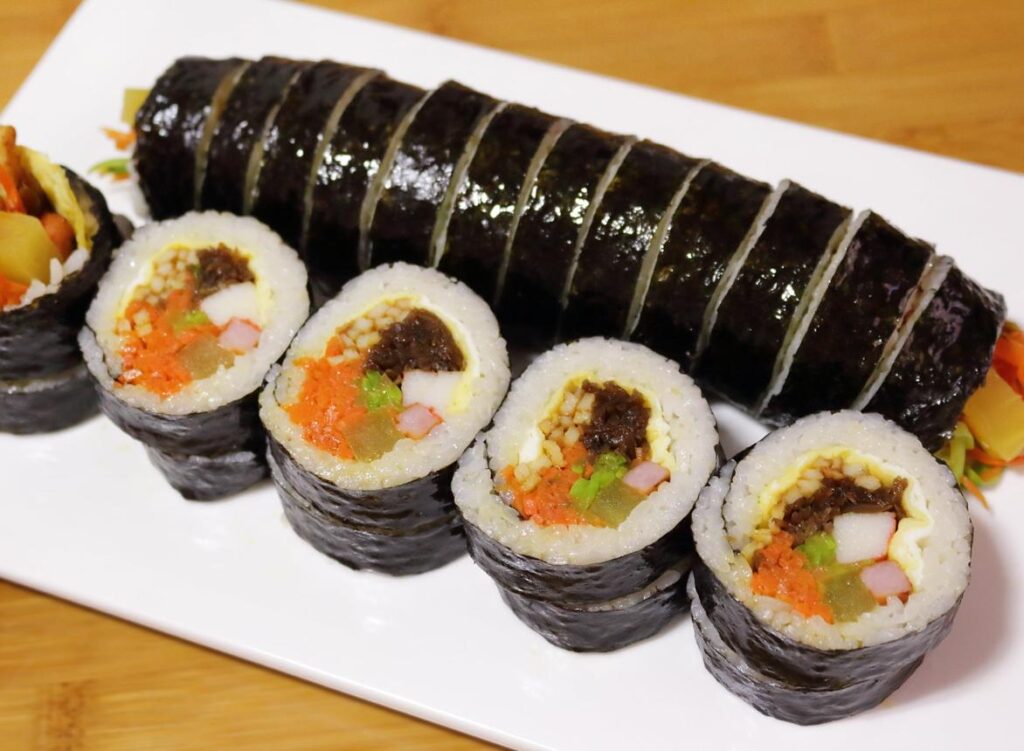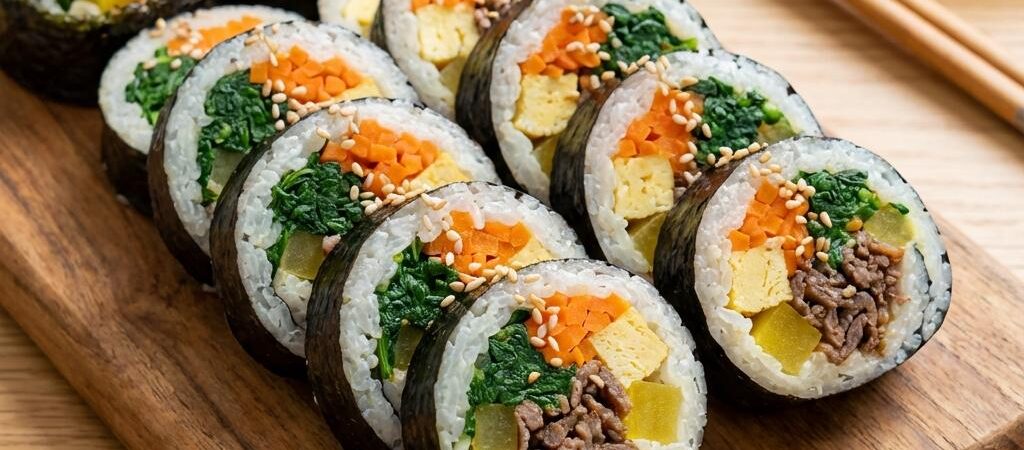
Gimbap (김밥) is one of Korea’s most popular and convenient foods. Made with steamed rice, dried seaweed, vegetables, eggs, and a variety of fillings, these Korean rice rolls are enjoyed as a lunch, snack, picnic food, or quick meal.
Their colorful appearance, variety of ingredients, and convenient bite-sized shape have made them popular in Korea and increasingly well known around the world, including Australia.
Whether you prefer a traditional combination or a modern filling, this Korean favorite offers a delicious introduction to Korean cuisine.
Table of Contents
- What Is Gimbap?
- The History of Gimbap
- Why Is It So Popular?
- 7 Popular Types to Try
- How Is It Enjoyed?
- Gimbap and Korean Food Culture
- Gimbap Around the World
- Tips for Making It at Home
- Is It Healthy?
- Frequently Asked Questions
- Conclusion
What Is Gimbap?
Gimbap is made by rolling steamed rice and different fillings inside dried seaweed called gim. The finished roll is sliced into small pieces, making it easy to eat and share.
For more information about Gimbap and Korean food culture, visit the official VISITKOREA guide to Gimbap.
The rice is commonly seasoned with sesame oil and salt, giving it a mild and nutty flavor.
Traditional fillings can include:
- Steamed rice
- Dried seaweed
- Carrots
- Spinach
- Pickled radish (danmuji)
- Burdock
- Cucumber
- Egg
- Fish cake
- Beef
- Tuna
- Tofu
- Sesame oil
- Sesame seeds
One of the best features of this Korean dish is its flexibility. Ingredients can be changed according to personal taste and dietary preferences.
Gimbap and Sushi: What Is the Difference?
Although they may look similar, Korean rice rolls and Japanese sushi are different foods.
The rice is generally seasoned with sesame oil and salt, while sushi traditionally uses vinegar-seasoned rice.
The fillings are also often different. Korean versions commonly use cooked vegetables, egg, pickled radish, meat, tofu, or seafood.
The History of Gimbap
Gimbap has become an important part of everyday Korean food culture.
Its convenient shape makes it ideal for school outings, family picnics, hiking trips, road trips, and other outdoor activities.
Because the rolls can be prepared in advance and divided into individual pieces, they are particularly convenient for sharing.
Today, they can be found throughout Korea, from convenience stores and traditional markets to restaurants and specialty shops.
Why Is It So Popular?
There are many reasons this Korean food remains popular.
It is:
- Convenient to carry
- Easy to eat
- Colorful
- Customizable
- Suitable for lunch or snacks
- Easy to share
- Available with many different fillings
Families can also prepare the ingredients together and create their own combinations.
This flexibility means that almost everyone can find a style they enjoy.
7 Popular Types of Gimbap to Try
1. Classic Gimbap
The traditional style usually combines rice with vegetables, egg, pickled radish, burdock, and other familiar ingredients.
It is a simple and balanced choice for anyone trying Korean food for the first time.
2. Tuna Gimbap
Tuna adds a savory flavor and makes the roll more substantial.
This is a popular choice for quick lunches and takeaway meals.
3. Beef Gimbap
Seasoned beef provides a rich flavor that pairs particularly well with fresh vegetables and sesame-seasoned rice.
4. Kimchi Gimbap
Kimchi adds spicy, tangy, and fermented flavors to the traditional combination.
It is a great option for people who enjoy stronger Korean flavors.
5. Cheese Gimbap
Cheese is a modern addition that provides a creamy texture and mild flavor.
It has become especially popular among younger diners.
6. Vegetable Gimbap
Vegetable versions can include spinach, carrots, cucumber, mushrooms, and pickled vegetables.
They offer a fresh and colorful combination.
7. Bulgogi Gimbap
Bulgogi adds flavorful Korean marinated beef to the roll.
The combination of sweet and savory beef with vegetables creates a satisfying meal.
How Is Gimbap Enjoyed?
These Korean rice rolls are delicious on their own, but they are also commonly enjoyed with other Korean foods.
Popular combinations include:
- Kimchi
- Tteokbokki
- Ramyeon
- Korean fish cake soup
- Korean fried chicken
- Pickled vegetables
One particularly popular combination is gimbap with tteokbokki.
Some people dip pieces of the roll into the spicy sauce, creating a delicious contrast between the mild rice and spicy sauce.
Gimbap and Korean Food Culture
This food is closely connected with everyday Korean life.
Families often prepare it for picnics, school events, trips, and outdoor activities.
Making the rolls can also become a social activity. Family members can prepare different fillings together and create combinations according to their preferences.
The dish therefore represents more than convenience. It also reflects the Korean tradition of preparing and sharing food together.
For more information about Korean culture and cultural activities in Australia, visit the Korean Cultural Centre Australia.
Gimbap Around the World
As Korean cuisine continues to grow internationally, these seaweed rice rolls have become increasingly familiar outside Korea.
Korean restaurants, cafés, food markets, and grocery stores in Australia and other countries offer a variety of styles.
Their colorful appearance and familiar ingredients make them an approachable choice for people discovering Korean food for the first time.
They are also convenient for takeaway meals, lunchboxes, picnics, and casual dining.
Tips for Making Delicious Gimbap at Home
Making these rolls at home can be easier than it looks.
For good results:
- Use freshly cooked rice that is not too wet.
- Season the rice lightly with sesame oil and salt.
- Prepare and cool the fillings before rolling.
- Avoid adding too much filling.
- Spread the rice evenly over the seaweed.
- Roll firmly with a bamboo mat.
- Brush the finished roll lightly with sesame oil.
- Use a sharp knife for clean slices.
The key is to create a firm roll without making it too tightly packed.
Is Gimbap Healthy?
The nutritional value depends on the ingredients and portion size.
Vegetables can provide vitamins, minerals, and dietary fiber, while egg, tofu, tuna, or beef can provide protein.
For a lighter version, consider:
- Adding more vegetables
- Using a moderate amount of rice
- Choosing lean protein
- Limiting salty sauces
- Including several different vegetables
Because the fillings can be customized, it is easy to create a version that suits different dietary preferences.
Frequently Asked Questions
What is Gimbap made of?
Gimbap is made with steamed rice, dried seaweed, vegetables, egg, and fillings such as beef, tuna, tofu, fish cake, or ham.
Is Gimbap the same as sushi?
No. Although the two foods look similar, they are different dishes. Gimbap generally uses sesame oil-seasoned rice and prepared fillings, while sushi traditionally uses vinegar-seasoned rice.
Is Gimbap eaten hot or cold?
It is commonly enjoyed at room temperature or slightly cool. This makes it convenient for lunchboxes, picnics, and travel.
Can Gimbap be vegetarian?
Yes. Vegetable versions can be prepared with spinach, carrots, cucumber, mushrooms, pickled radish, and tofu.
If you want to avoid seafood, check whether the kimchi, fish cake, or other ingredients contain fish or seafood products.
What is the most popular filling?
Classic vegetable combinations are very popular. Tuna, beef, kimchi, and bulgogi are also common choices.
Can I make Gimbap at home?
Yes. With cooked rice, dried seaweed, vegetables, and your preferred fillings, you can make it at home using a bamboo rolling mat.
Conclusion
Gimbap is much more than a simple rice roll. It represents the convenience, creativity, and sharing traditions found in Korean food culture.
The combination of seasoned rice, dried seaweed, colorful vegetables, and different fillings makes it a versatile food suitable for almost any occasion.
Whether enjoyed during a picnic in Korea, purchased from a Korean food shop in Australia, or prepared at home, this popular dish is a delicious way to experience Korean cuisine.
If you enjoy Korean food, you may also like our guides to Kimchi, Bibimbap, Japchae, and Tteokbokki.