Bibimbap is one of the most famous Korean dishes, loved for its colourful presentation, variety of ingredients, and delicious combination of flavours. The name Bibimbap comes from the Korean words bibim (mixed) and bap (rice), meaning “mixed rice”.
The dish combines steamed rice with seasoned vegetables, protein, egg, sesame oil, and gochujang (Korean chilli paste). Before eating, all the ingredients are mixed together, creating a delicious combination of flavours and textures in every bite.
For people discovering Korean food for the first time, Bibimbap is one of the easiest Korean dishes to try because the ingredients can be customised to suit different tastes and dietary preferences.
What Is Bibimbap?
Bibimbap is a traditional Korean rice bowl topped with a variety of seasoned vegetables, protein, egg, sesame oil, and gochujang.
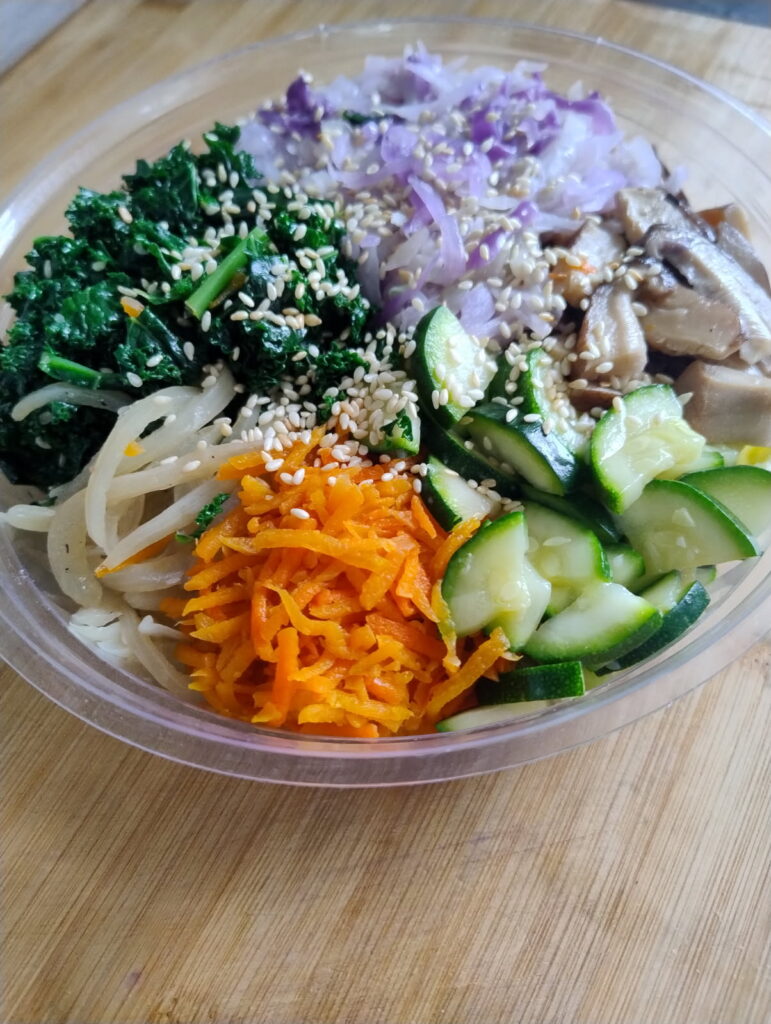
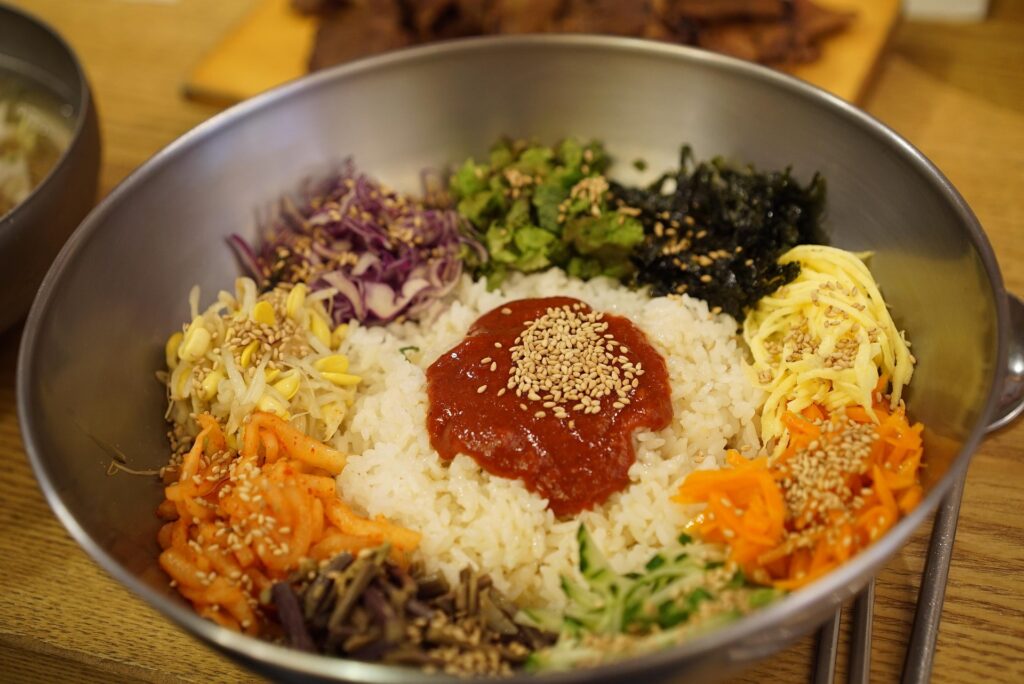
Unlike a dish where all ingredients are cooked together, Bibimbap is usually presented with the ingredients arranged separately over the rice. This creates a colourful and attractive meal before everything is mixed together.
Common ingredients include:
- Steamed rice
- Spinach
- Bean sprouts
- Carrots
- Zucchini
- Mushrooms
- Cucumber
- Beef, chicken, tofu, or seafood
- Fried egg
- Gochujang (Korean chilli paste)
- Sesame oil
- Sesame seeds
The ingredients can vary depending on the region, restaurant, or personal preference.
The History of Bibimbap
Bibimbap has a long history in Korean cuisine and has been enjoyed for generations.
There are several theories about its origins. One common explanation is that people mixed leftover rice and vegetables together to create a simple and practical meal.
Over time, Bibimbap developed into a popular traditional dish with many regional variations. Today, it can be found in Korean homes, restaurants, markets, and food festivals around the world.
One of the best-known regional varieties is Jeonju Bibimbap, which is strongly associated with the city of Jeonju and its traditional food culture.
Learn more about Bibimbap on the official Korea Tourism Organization website, VISITKOREA – Bibimbap
Why Is Bibimbap Healthy?
Bibimbap is often considered a balanced Korean meal because it combines rice, vegetables, protein, and a variety of seasonings in one bowl.
Depending on the ingredients used, Bibimbap can provide:
- Fresh vegetables
- Protein
- Dietary fibre
- Vitamins and minerals
- A variety of colours, textures, and flavours
It can also be easily customised. Vegetarian and vegan versions can be prepared using tofu, mushrooms, or additional vegetables instead of meat.
However, the nutritional value of Bibimbap depends on the ingredients, portion sizes, sauces, and cooking methods used.
What Does Bibimbap Taste Like?
Bibimbap offers several different flavours in one dish.
Gochujang provides a rich, savoury, slightly sweet, and spicy flavour, while sesame oil adds a distinctive nutty aroma. The vegetables provide freshness and different textures, while the rice brings all the ingredients together.
The final taste depends on the ingredients and the amount of gochujang used.
If you are trying Bibimbap for the first time, start with a small amount of gochujang. You can always add more if you enjoy spicy food.
Popular Types of Bibimbap
There are many different varieties of Bibimbap throughout Korea. Ingredients and preparation methods can vary depending on the region and restaurant.
Jeonju Bibimbap
Jeonju Bibimbap is one of Korea’s most famous regional varieties.
It is known for its variety of seasoned vegetables, quality ingredients, beef, and egg. Jeonju is also famous for its rich food culture and is strongly associated with Bibimbap.
Dolsot Bibimbap
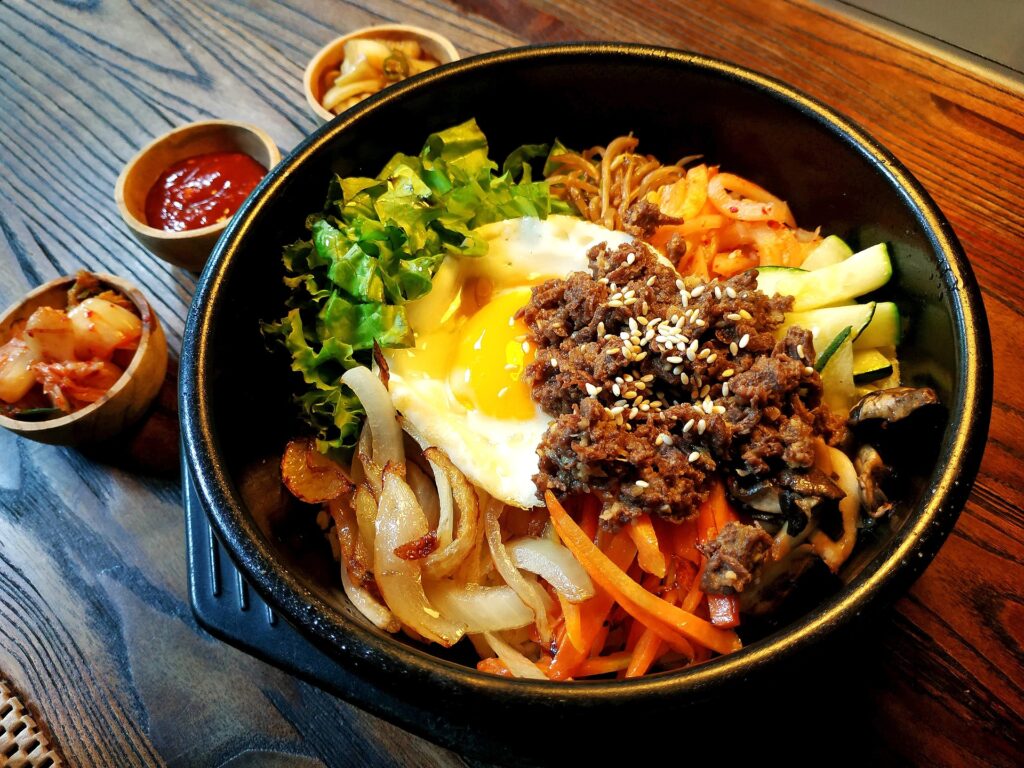
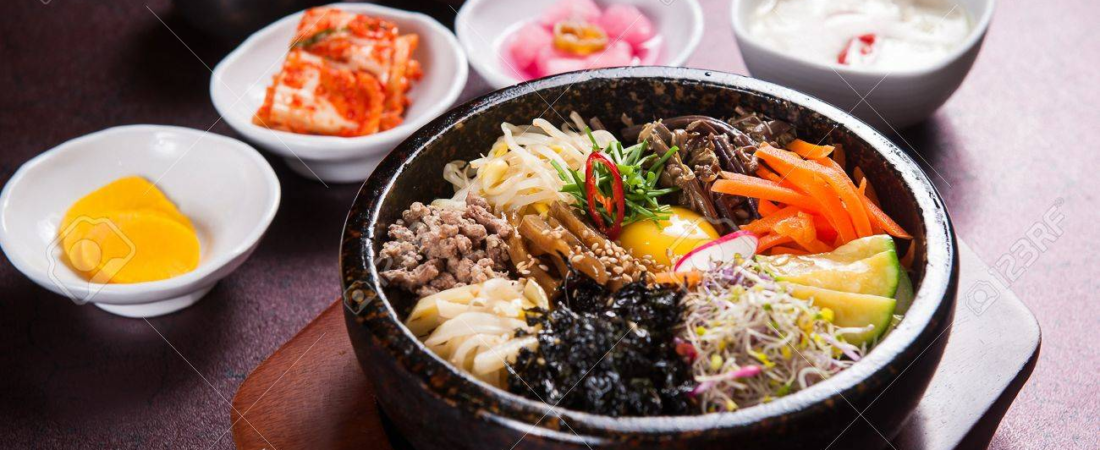
Dolsot Bibimbap is served in a hot stone bowl called dolsot.
The hot bowl keeps the meal warm and creates a crispy layer of rice at the bottom. This crispy rice, known as nurungji, adds an enjoyable texture and roasted flavour.
Dolsot Bibimbap is particularly popular with people who enjoy hot and crispy rice.
Vegetarian Bibimbap
Vegetarian Bibimbap replaces meat with tofu, mushrooms, or additional vegetables.
It maintains the colourful appearance and variety of the traditional dish while providing an option for people who prefer plant-based meals.
Seafood Bibimbap
Seafood Bibimbap uses ingredients such as prawns, squid, or other seafood instead of beef.
The seafood adds a fresh and savoury flavour that works well with the vegetables, rice, sesame oil, and gochujang.
Chicken Bibimbap
Chicken Bibimbap is another popular variation. Tender chicken provides an alternative to beef while adding protein and flavour to the dish.
Bibimbap vs Dolsot Bibimbap
If you are visiting a Korean restaurant, you may see both regular Bibimbap and Dolsot Bibimbap on the menu.
Regular Bibimbap is generally served in a standard bowl. The ingredients are arranged over the rice and mixed before eating.
Dolsot Bibimbap is served in a very hot stone bowl. The heat keeps the food warm and creates crispy rice at the bottom.
If you prefer soft rice and a simpler meal, regular Bibimbap may be a good choice.
If you enjoy hot food and crispy rice, Dolsot Bibimbap is worth trying.
How to Eat Bibimbap
Eating Bibimbap is simple and enjoyable.
Step 1: Add Gochujang
Add as much gochujang as you like. If you prefer mild flavours, start with a small amount and add more later.
Step 2: Add Sesame Oil
A small drizzle of sesame oil adds a rich, nutty aroma to the dish.
Step 3: Mix Everything Together
Use a spoon to mix the rice, vegetables, protein, egg, and sauce thoroughly.
Step 4: Enjoy
Once everything is mixed, each spoonful contains a combination of rice, vegetables, protein, and sauce.
The word Bibimbap literally refers to this process of mixing the ingredients together.
Is Bibimbap Good for First-Time Korean Food Lovers?
Yes. Bibimbap is one of the easiest Korean dishes for beginners to try.
Unlike some Korean dishes that may have strong fermented or spicy flavours, Bibimbap allows diners to control the amount of gochujang they use.
It also contains familiar ingredients such as rice, vegetables, egg, chicken, beef, or tofu.
If you are new to Korean food, start with a mild Bibimbap and add a small amount of gochujang. Once you become familiar with the flavour, you can gradually add more sauce.
How to Order Bibimbap at a Korean Restaurant in Australia
If you are ordering Bibimbap for the first time, there are a few simple choices to consider.
First, choose your protein. Common options include:
- Beef
- Chicken
- Seafood
- Tofu
- Vegetables
Vegetarian versions may also be available, although ingredients and preparation methods vary between restaurants.
Next, consider the type of Bibimbap. A regular Bibimbap is usually served in a bowl, while Dolsot Bibimbap is served in a hot stone bowl with crispy rice at the bottom.
If you are sensitive to spicy food, ask about the gochujang or add only a small amount.
Bibimbap is also commonly served with Korean side dishes, so you may receive several small Banchan dishes with your meal.
What to Eat With Bibimbap
Bibimbap can be enjoyed as a complete meal, but it is often served with Korean side dishes called Banchan.
Kimchi is one of the most common side dishes served with Korean meals. Its spicy, sour, and fermented flavour provides an interesting contrast to the mild rice and vegetables in Bibimbap.
Other Banchan may include seasoned spinach, soybean sprouts, cucumber salad, or other vegetable dishes.
Learn more about Korean Side Dishes (Banchan) in our complete guide.
Why Is Bibimbap So Popular in Australia?
Bibimbap has become increasingly popular in Australia as more people discover Korean cuisine.
One reason for its popularity is flexibility. Diners can choose beef, chicken, seafood, tofu, or vegetables, making the dish suitable for a variety of preferences.
The amount of gochujang can also be adjusted. This is helpful for people who enjoy Korean food but are not accustomed to spicy flavours.
Another reason is the colourful presentation. The different vegetables are traditionally arranged separately over the rice before everything is mixed together.
For Australians who are new to Korean cuisine, Bibimbap is also an approachable dish because it combines familiar ingredients such as rice, vegetables, egg, and meat with distinctive Korean flavours.
Bibimbap in Australia
Bibimbap is now available at many Korean restaurants and food businesses across Australia.
It can be found in cities including Sydney, Melbourne, Brisbane, Perth, and Adelaide, as well as in other communities with growing interest in Korean cuisine.
Australians can enjoy Bibimbap with beef, chicken, seafood, tofu, or vegetables. It can also be prepared at home using fresh local produce while keeping traditional Korean flavours.
The combination of rice, vegetables, protein, sesame oil, and gochujang makes Bibimbap a satisfying meal for both newcomers to Korean food and people who already enjoy Korean cuisine.
Tips for Choosing Bibimbap
If you are trying Bibimbap for the first time, start with a version that includes ingredients you already enjoy.
Beef Bibimbap is a popular choice for people who enjoy savoury meat dishes. Chicken and tofu can be good alternatives, while vegetable Bibimbap is suitable for people who prefer a meat-free meal.
If you are not used to spicy food, ask for the gochujang on the side or use only a small amount. You can gradually add more sauce as you become familiar with the flavour.
For a different experience, try Dolsot Bibimbap. The hot stone bowl keeps the meal warm and creates crispy rice at the bottom.
Bibimbap and Korean Food Culture
Bibimbap represents an important characteristic of Korean cooking: balance.
The dish combines different colours, flavours, textures, and ingredients in one bowl.
The vegetables add freshness, the rice provides a filling base, the protein adds richness, and gochujang provides a spicy and savoury flavour.
This balance is one of the reasons Bibimbap has become such a recognisable Korean dish around the world.
Frequently Asked Questions
Is Bibimbap healthy?
Bibimbap can be a balanced meal because it combines rice, vegetables, protein, and various seasonings. The nutritional value depends on the ingredients and portion sizes used.
Is Bibimbap spicy?
Bibimbap itself does not have to be spicy. The level of heat mainly depends on the amount of gochujang added.
Can vegetarians eat Bibimbap?
Yes. Vegetarian Bibimbap can be prepared with tofu, mushrooms, and a variety of vegetables instead of meat.
What does Bibimbap mean?
Bibimbap comes from the Korean words bibim, meaning “mixed”, and bap, meaning “rice”. It can therefore be translated as “mixed rice”.
What is Dolsot Bibimbap?
Dolsot Bibimbap is Bibimbap served in a hot stone bowl. The heat creates a crispy layer of rice at the bottom, adding extra texture and flavour.
What do you eat with Bibimbap?
Bibimbap can be enjoyed on its own or with Korean side dishes such as Kimchi and other Banchan.
Final Thoughts
Bibimbap is much more than a simple rice bowl. It represents the colour, balance, variety, and creativity that are central to Korean cuisine.
Whether you enjoy traditional Jeonju Bibimbap, crispy Dolsot Bibimbap, vegetarian Bibimbap, or a modern version with chicken or seafood, there are many ways to experience this popular Korean dish.
For anyone exploring Korean food for the first time, Bibimbap is an excellent place to start. Its colourful presentation, flexible ingredients, and combination of flavours have helped make it one of Korea’s most popular dishes around the world.
If you enjoy Bibimbap, you may also like our guides to Kimchi, Japchae, Korean BBQ, Korean Noodles, and Korean Side Dishes (Banchan).