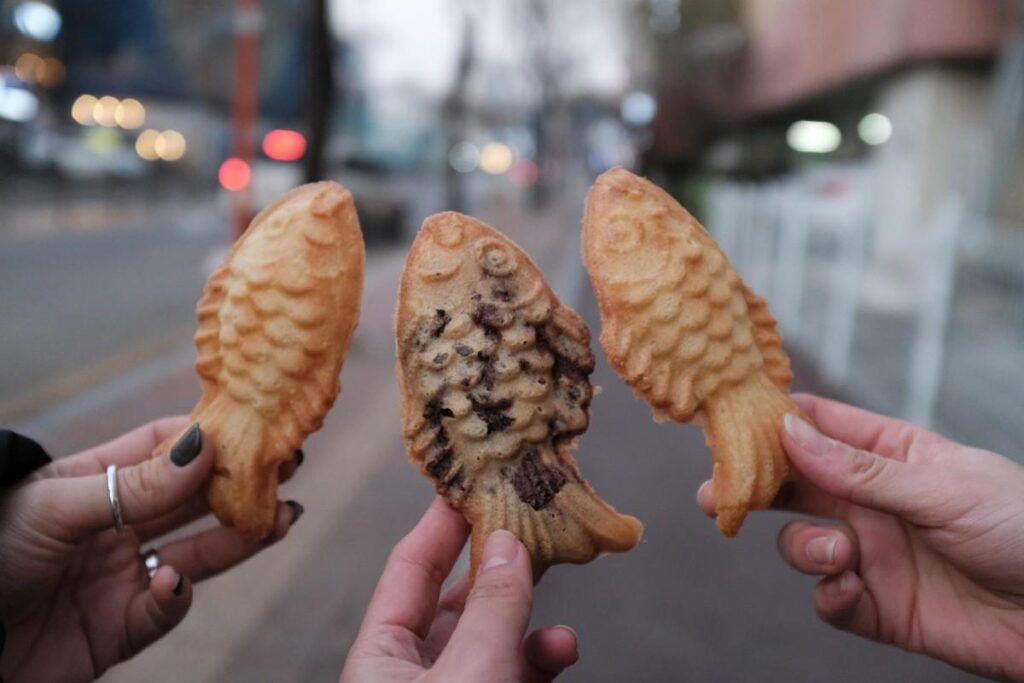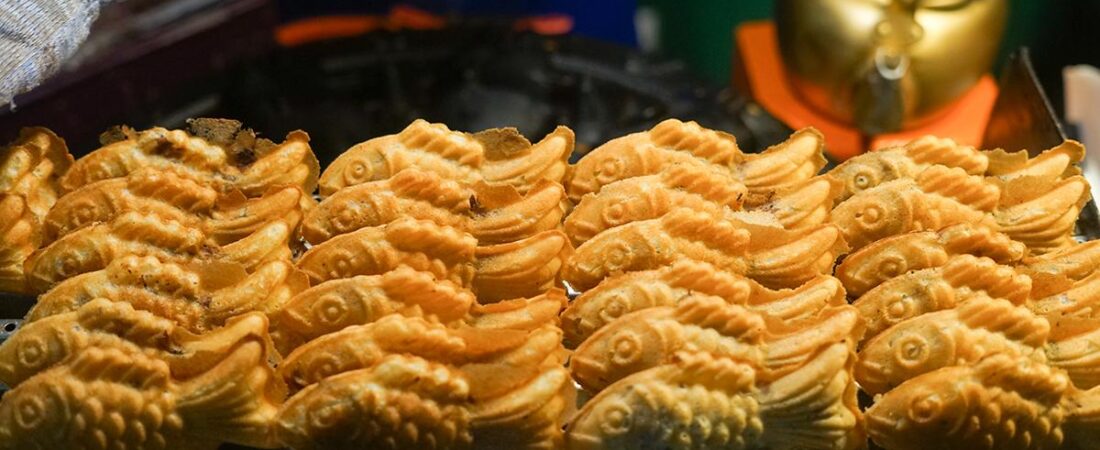
Bungeoppang is one of Korea’s most beloved winter street foods. This charming fish-shaped pastry is crispy on the outside, soft and warm inside, and traditionally filled with sweet red bean paste.
The name “Bungeoppang” comes from two Korean words: “bungeo,” meaning crucian carp, and “ppang,” meaning bread. Although it does not contain fish, its unique fish shape has made it one of Korea’s most recognizable street snacks.
For many Koreans, the smell of freshly baked Bungeoppang on a cold winter day brings back memories of childhood, local markets, and traditional Korean street food.
Today, Bungeoppang is enjoyed by people of all ages and has become increasingly popular among Korean food lovers around the world, including in Australia.
What Is Bungeoppang?
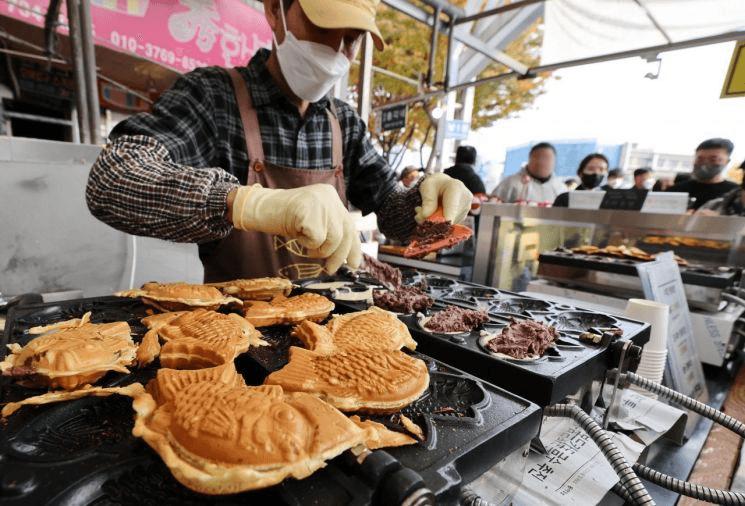
Bungeoppang is a Korean fish-shaped pastry made by pouring batter into a fish-shaped mold and cooking it until golden brown.
The traditional filling is sweet red bean paste, but modern Bungeoppang comes with many different fillings and flavours.
Popular fillings include:
- Sweet red bean paste
- Custard cream
- Chocolate
- Sweet potato
- Cheese
- Matcha cream
The combination of a crispy pastry shell and a warm filling makes Bungeoppang a comforting snack, especially during cooler weather.
For more information about Bungeoppang and Korean street food culture, visit the official VISITKOREA guide to Bungeoppang.
The History of Bungeoppang
Bungeoppang was introduced to Korea in the early 20th century and was influenced by the Japanese fish-shaped pastry known as Taiyaki.
Over time, Korea developed its own version using familiar ingredients and flavours. Sweet red bean paste became one of the most traditional fillings because red beans have long been used in Korean desserts.
Bungeoppang eventually became a familiar sight at Korean street markets and neighbourhood food stalls.
Today, it is strongly associated with Korean winter street food and remains a nostalgic snack for many people.
Why Is Bungeoppang Fish-Shaped?
The fish shape is inspired by the crucian carp, known as “bungeo” in Korean.
Although the pastry does not contain fish, the distinctive shape makes it easy to recognise and gives the snack its name.
The cute fish design has also helped Bungeoppang become popular with younger generations and international visitors discovering Korean food culture.
Why Is Bungeoppang So Popular?
Bungeoppang remains popular because it is simple, affordable, and satisfying.
People enjoy it because it is:
- Warm and comforting
- Crispy on the outside
- Soft inside
- Easy to eat
- Available with different fillings
- Suitable for both children and adults
Freshly baked Bungeoppang is especially enjoyable during winter when the warm pastry provides a comforting snack while walking through a Korean market.
Different Types of Bungeoppang
Traditional Bungeoppang is usually filled with sweet red bean paste, but modern Korean cafés and street food shops offer many variations.
Red Bean Bungeoppang
Red bean Bungeoppang is the classic version. It features sweet, smooth red bean paste inside a golden pastry shell.
Custard Bungeoppang
Custard Bungeoppang has a creamy and smooth filling. Its mild sweetness makes it a popular choice for people who prefer a softer flavour.
Chocolate Bungeoppang
Chocolate Bungeoppang is a modern variation that combines crispy pastry with a warm chocolate filling.
Sweet Potato Bungeoppang
Sweet potato filling provides a naturally sweet and creamy texture and is another popular modern variation.
Cheese Bungeoppang
Cheese Bungeoppang offers a different experience by combining the crispy pastry with a warm, savoury cheese filling.
Bungeoppang and Korean Street Food Culture
Bungeoppang is an important part of Korea’s street food culture.
During the colder months, small street stalls and vendors prepare fresh Bungeoppang using special fish-shaped molds. The aroma of freshly cooked pastry often attracts people walking through busy streets and neighbourhoods.
For many Koreans, Bungeoppang is more than just a snack. It can bring back memories of childhood, winter afternoons, school days, and family outings.
This connection between food and memories is an important part of Korean food culture.
Is Bungeoppang Healthy?
Bungeoppang is generally enjoyed as a sweet snack rather than a main meal.
Traditional red bean filling can provide some fibre and plant-based nutrients, but Bungeoppang may also contain sugar, flour, and other ingredients depending on the recipe.
For this reason, it is best enjoyed as an occasional treat as part of a varied and balanced diet.
Bungeoppang Around the World
Korean food has become increasingly popular around the world, and Bungeoppang is one of the traditional snacks gaining international attention.
Korean cafés, restaurants, food markets, and cultural events in countries such as Australia, the United States, and Canada may offer Bungeoppang.
Its attractive fish shape, warm filling, and variety of flavours make it particularly appealing to people discovering Korean street food for the first time.
Bungeoppang in Australia
As interest in Korean food continues to grow in Australia, more Australians are discovering traditional Korean snacks such as Bungeoppang.
Depending on the city and season, Bungeoppang may be available at Korean cafés, Asian food markets, Korean restaurants, food festivals, and cultural events.
For Australians trying Bungeoppang for the first time, the traditional red bean version is a great place to start. Custard and chocolate versions are also popular choices for those who prefer a sweeter flavour.
Tips for Enjoying Bungeoppang
For the best Bungeoppang experience:
- Enjoy it while it is freshly made and warm.
- Try different fillings to find your favourite.
- Be careful because the filling can be very hot.
- Enjoy it with Korean tea or coffee.
- Share it with friends and family.
The contrast between the crispy pastry and warm filling makes Bungeoppang a simple but memorable Korean street food experience.
Frequently Asked Questions About Bungeoppang
What is Bungeoppang?
Bungeoppang is a popular Korean fish-shaped pastry. It is made with batter cooked in a fish-shaped mold until golden and crispy, then filled with a sweet or savoury filling.
What is inside Bungeoppang?
Traditional Bungeoppang is filled with sweet red bean paste. Modern versions may also contain custard, chocolate, sweet potato, cheese, or matcha cream.
Is Bungeoppang sweet?
Yes. Traditional Bungeoppang is usually sweet because it contains sweet red bean paste. Modern versions can have different fillings, so the flavour can vary.
Is Bungeoppang made with fish?
No. Bungeoppang does not contain fish. It is simply made in the shape of a fish. The name comes from its fish-shaped appearance.
Where can I find Bungeoppang in Australia?
Bungeoppang can be found at some Korean cafés, Korean restaurants, Asian food markets, and Korean cultural events in Australia. Availability can vary depending on the city and season.
Conclusion
Bungeoppang is more than just a fish-shaped pastry. It is a much-loved Korean street food that represents winter memories, tradition, and creativity.
From traditional red bean Bungeoppang to modern custard, chocolate, sweet potato, and cheese varieties, there are many flavours to discover.
Whether you enjoy it at a Korean market, café, food festival, or Korean restaurant in Australia, Bungeoppang is a delicious and memorable way to experience Korean food culture.
If you enjoy Bungeoppang, you may also like our guides to Hotteok, Tteokbokki, Gimbap, and Korean Ramen.
If you enjoy Bungeoppang, you may also like our articles about Hotteok, Tteokbokki, Gimbap, and Korean Ramen.