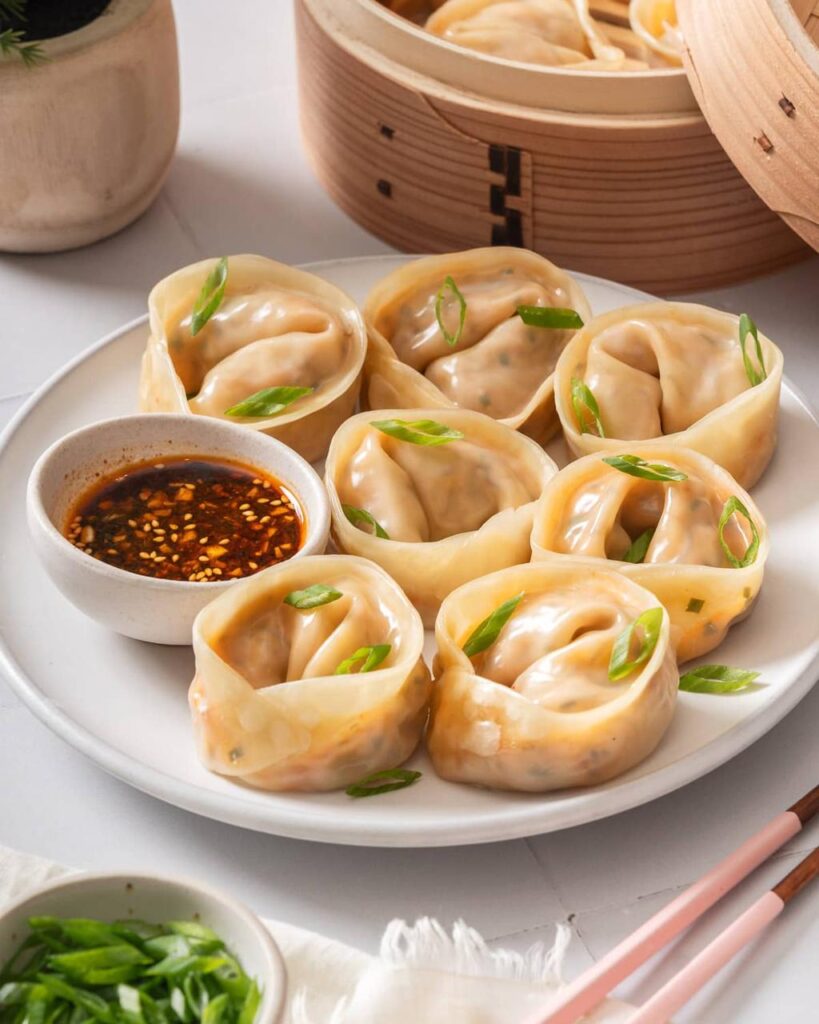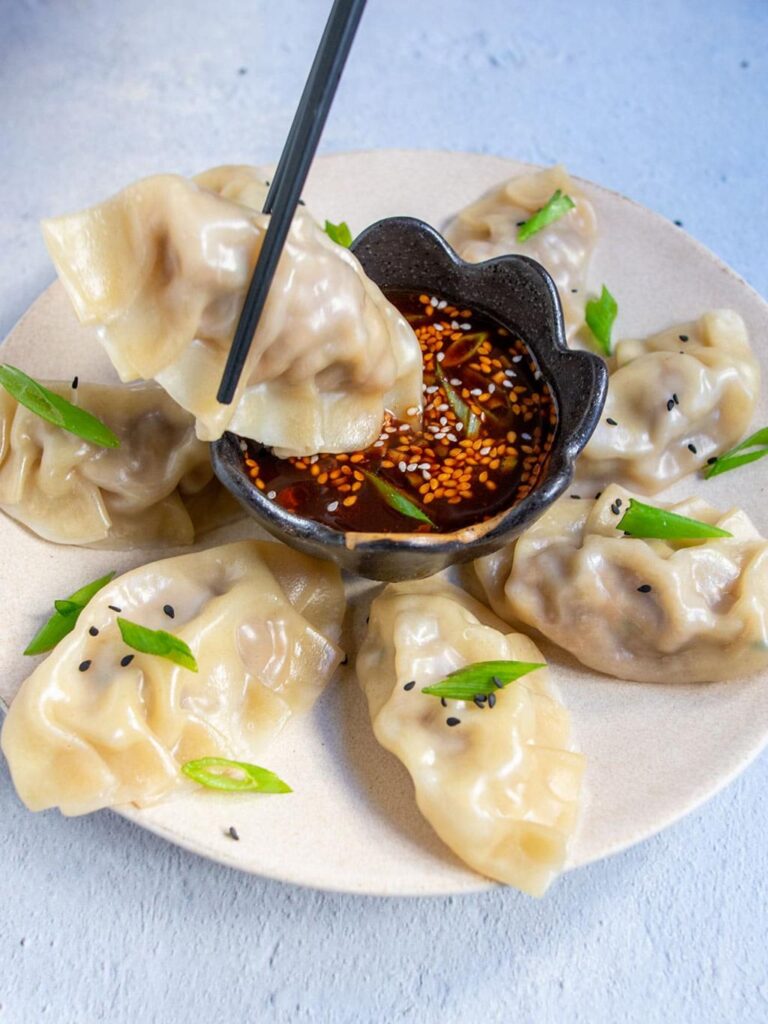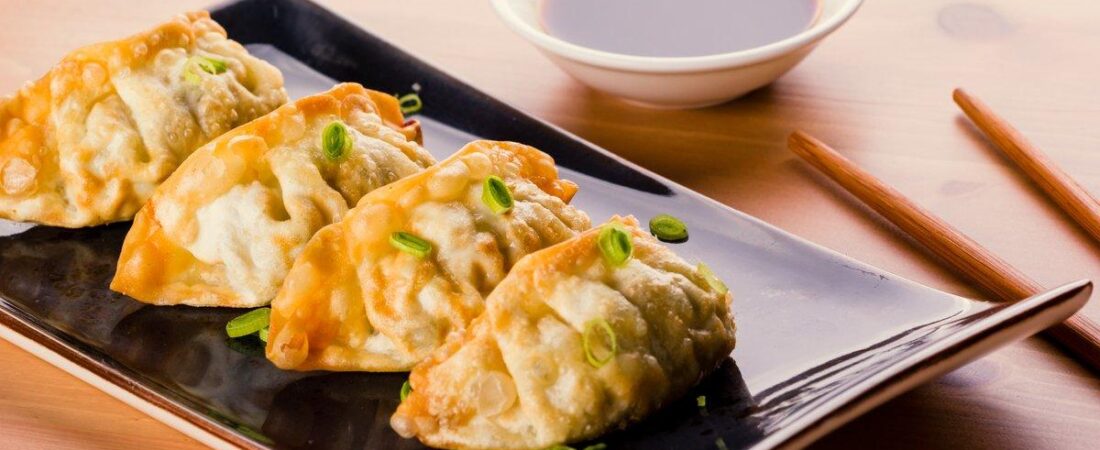
Mandu is one of Korea’s most popular traditional foods. Known for its thin wrapper, flavorful filling, and many cooking styles, these Korean dumplings are enjoyed by people of all ages in Korea and around the world.
Similar to dumplings found in many Asian countries, Korean Mandu has its own unique flavors and traditions. Fillings can include meat, vegetables, tofu, kimchi, and glass noodles, creating a delicious example of the balance and creativity found in Korean cuisine.
What Is Mandu?
Mandu is a Korean dumpling made by wrapping a thin dough skin around a variety of fillings. It can be steamed, boiled, pan-fried, or added to soups.
For more information about Mandu and its traditional preparation, visit the official VISITKOREA guide to Mandu.
Traditional fillings often include:
- Minced pork or beef
- Tofu
- Kimchi
- Cabbage
- Bean sprouts
- Green onions
- Garlic
- Glass noodles
- Sesame oil
- Korean seasonings
The combination of soft dumpling skin and savory filling creates a satisfying texture and rich flavor.
The History of Mandu
Mandu has a long history in Korean cuisine and is believed to have been introduced to Korea centuries ago through cultural exchanges.
Over time, Koreans developed their own versions using local ingredients and familiar flavors. Dumplings became especially popular during holidays, family gatherings, and special occasions.
Today, they are enjoyed as an everyday food as well as a traditional dish prepared during celebrations.
4 Popular Types of Mandu
There are many different varieties of Korean dumplings.
Gun Mandu (Pan-Fried Dumplings)
Gun Mandu is crispy on the outside and juicy inside. It is often served as an appetizer, snack, or side dish and is popular in Korean restaurants.
Jjin Mandu (Steamed Dumplings)
Jjin Mandu is steamed until the wrapper becomes soft and tender. This cooking method allows the natural flavors of the filling to stand out.
Mul Mandu (Boiled Dumplings)
Mul Mandu is boiled in water and has a lighter, softer texture. It is a simple and comforting way to enjoy these traditional dumplings.
Kimchi Mandu
Kimchi Mandu contains fermented Korean kimchi, giving the filling a spicy, savory, and slightly sour flavor.
Mandu Guk (Korean Dumpling Soup)
Mandu Guk is a traditional Korean soup made with dumplings in a warm broth.
It is especially popular during Korean New Year celebrations. Many families enjoy this comforting soup together as part of their holiday traditions.
The dumplings can be served with vegetables, eggs, green onions, and other ingredients to create a hearty meal.
Why Are Korean Dumplings So Popular?
Mandu is loved because it is delicious, versatile, and easy to enjoy.
People appreciate these dumplings because they are:
- Full of rich flavors
- Available in many varieties
- Easy to share
- Suitable for different cooking methods
- Enjoyed as a snack or meal
Whether crispy, steamed, boiled, or served in soup, each style offers a different dining experience.
Health and Nutrition
The nutritional value depends on the ingredients and cooking method.
These dumplings can provide:
- Protein from meat or tofu
- Vitamins and minerals from vegetables
- Energy from the wrapper
- Nutrients from fermented ingredients such as kimchi
Vegetable and tofu versions can also be a lighter option. Pan-fried varieties may contain more oil than steamed or boiled versions.
How to Enjoy Mandu
There are many ways to serve Korean dumplings.
Popular options include:
- With soy dipping sauce
- As a side dish with Korean meals
- In dumpling soup
- With kimchi
- Alongside other Korean side dishes
A simple soy-based dipping sauce can add extra savory flavor and complement the filling.
Mandu in Korean Food Culture
Mandu is more than just a dumpling. It represents family, tradition, and sharing.
Making dumplings together with family is a traditional activity in Korea, especially during holidays. Family members can gather to prepare the wrappers and fillings together, turning food preparation into a shared experience.
During Lunar New Year, Mandu Guk is traditionally enjoyed as a meaningful dish associated with good fortune and a fresh beginning.
Mandu in Australia
As Korean cuisine becomes increasingly popular in Australia, Mandu has gained attention among food lovers who enjoy dumplings and Asian cuisine.
Korean restaurants and supermarkets across Australia offer different varieties, including frozen dumplings that can be prepared easily at home.
For Australians discovering Korean food for the first time, Mandu is an approachable choice because it is familiar in concept while offering distinctive Korean flavors.
Frequently Asked Questions About Mandu
What is Mandu?
Mandu is a traditional Korean dumpling made with a thin wrapper and a filling that may include meat, vegetables, tofu, kimchi, and glass noodles.
What is inside Korean Mandu?
Common fillings include pork or beef, tofu, vegetables, kimchi, glass noodles, garlic, green onions, and sesame oil.
Is Mandu spicy?
Not all Mandu is spicy. Traditional varieties can have a mild savory flavor, while Kimchi Mandu usually has a stronger spicy and tangy taste.
What is the difference between Gun Mandu and Jjin Mandu?
Gun Mandu is pan-fried and has a crispy exterior, while Jjin Mandu is steamed and has a softer wrapper.
What is Mandu Guk?
Mandu Guk is a traditional Korean dumpling soup made with Mandu and a warm broth. It is especially popular during Korean New Year.
Can I find Mandu in Australia?
Yes. Mandu can be found at many Korean restaurants and Korean supermarkets across Australia. Frozen varieties are also available for home cooking.
How do you eat Mandu?
Mandu can be eaten with a soy dipping sauce, served with Korean side dishes, or added to soup. It can be enjoyed as a snack, side dish, or meal.
Conclusion
Mandu is one of Korea’s most loved traditional foods. With its delicious fillings, unique textures, and many cooking styles, it represents the warmth and creativity of Korean cuisine.
Whether you enjoy crispy Gun Mandu, comforting Mandu Guk, or spicy Kimchi Mandu, these Korean dumplings offer something for everyone.
If you enjoy Mandu, you may also like our articles about Kimchi, Bibimbap, Gimbap, and Korean BBQ.
For more information about Korean food and culture, visit the official VISITKOREA website.