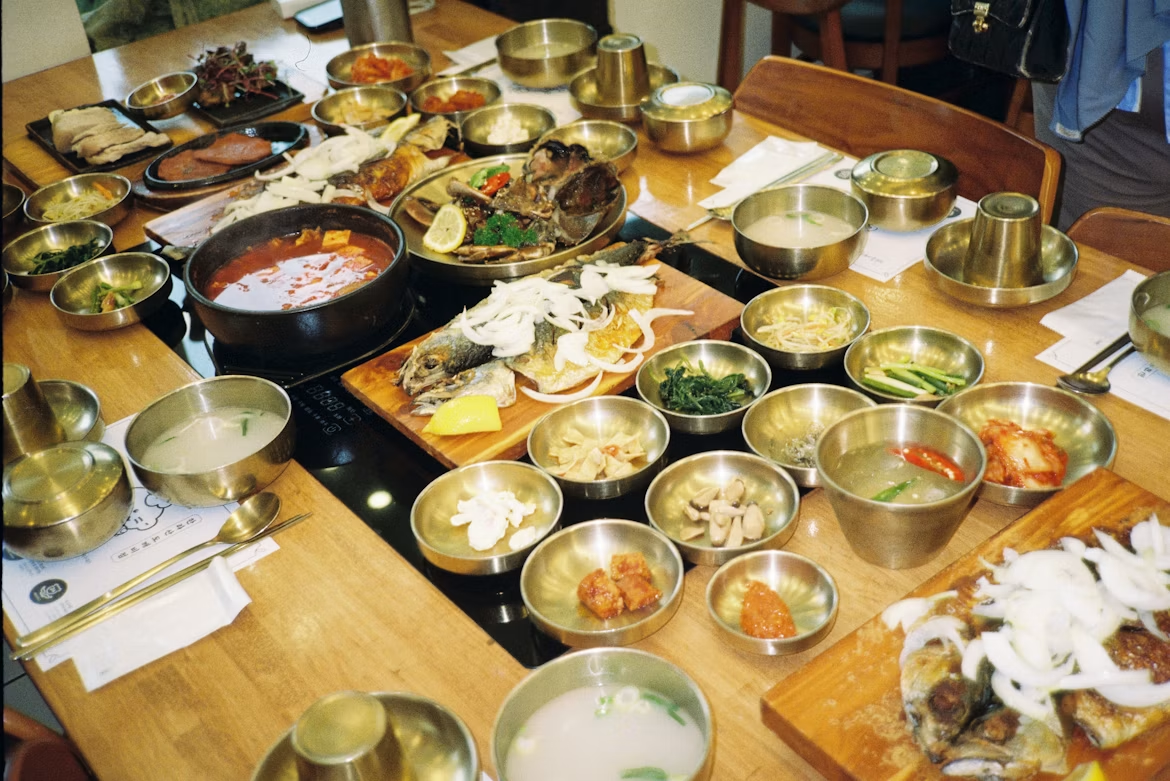
Trying Korean food for the first time can be exciting. If you are a beginner visiting a Korean restaurant, you may see dishes, side dishes, and sauces that are unfamiliar. This guide will help you understand what to expect and how to enjoy your first Korean meal.
If you are not familiar with Korean dining, it is natural to wonder what everything is for or how you are supposed to eat it.
The good news is that there are no complicated rules you need to learn before visiting a Korean restaurant. Once you understand a few simple things about Korean meals, ordering and eating Korean food becomes much easier.
This beginner’s guide explains what you can expect at a Korean restaurant and gives you some simple tips for enjoying your first meal.
What to Expect at a Korean Restaurant
Korean restaurants can offer many different dining experiences.
Some specialise in Korean BBQ, where meat is cooked at the table. Others serve soups, stews, rice dishes, noodles, fried chicken, or traditional Korean meals.
The way food is served can also be different from a typical Western meal.
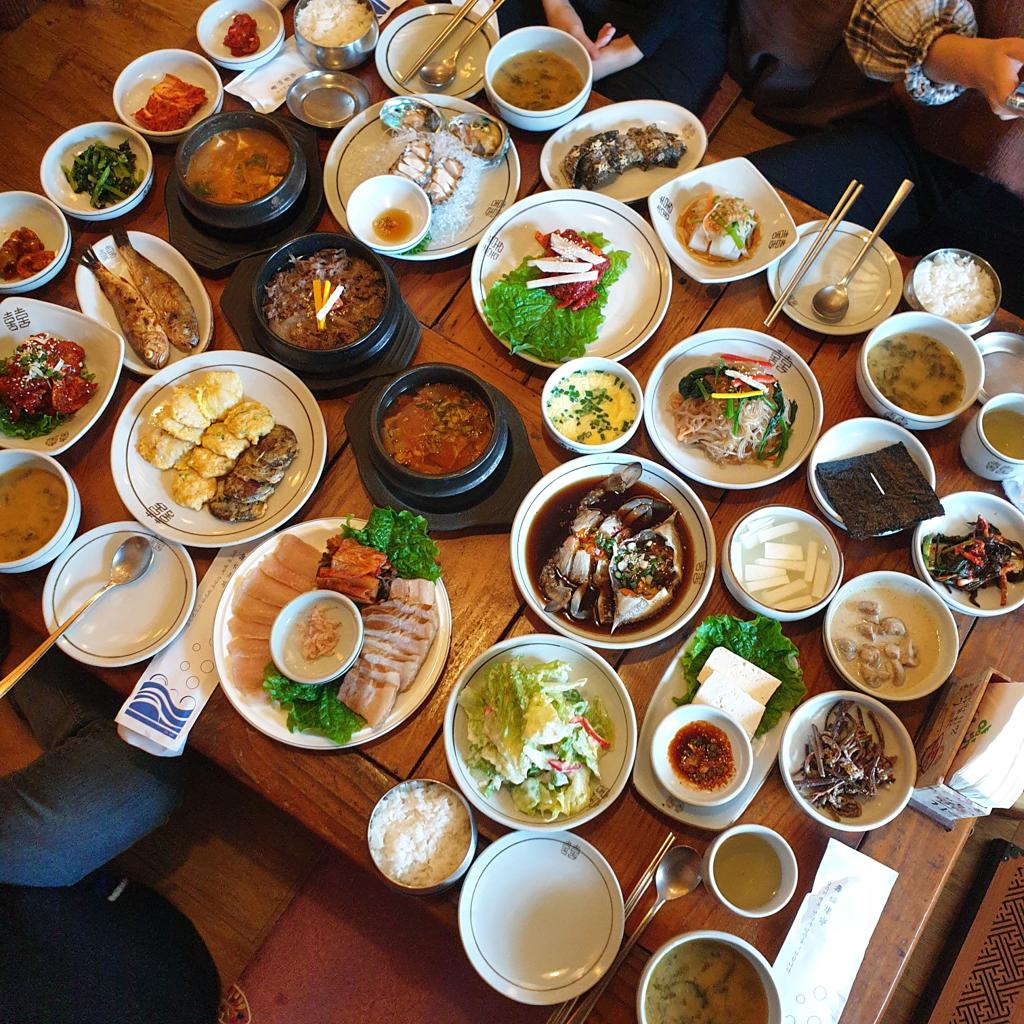
Instead of receiving one large plate for each person, several dishes may be placed in the middle of the table and shared.
This style of eating makes Korean meals a social experience. Everyone can try different dishes and enjoy a variety of flavours during the same meal.
For anyone looking for a Korean restaurant for beginners, starting with familiar dishes can make the first experience much easier.
What Is Banchan?
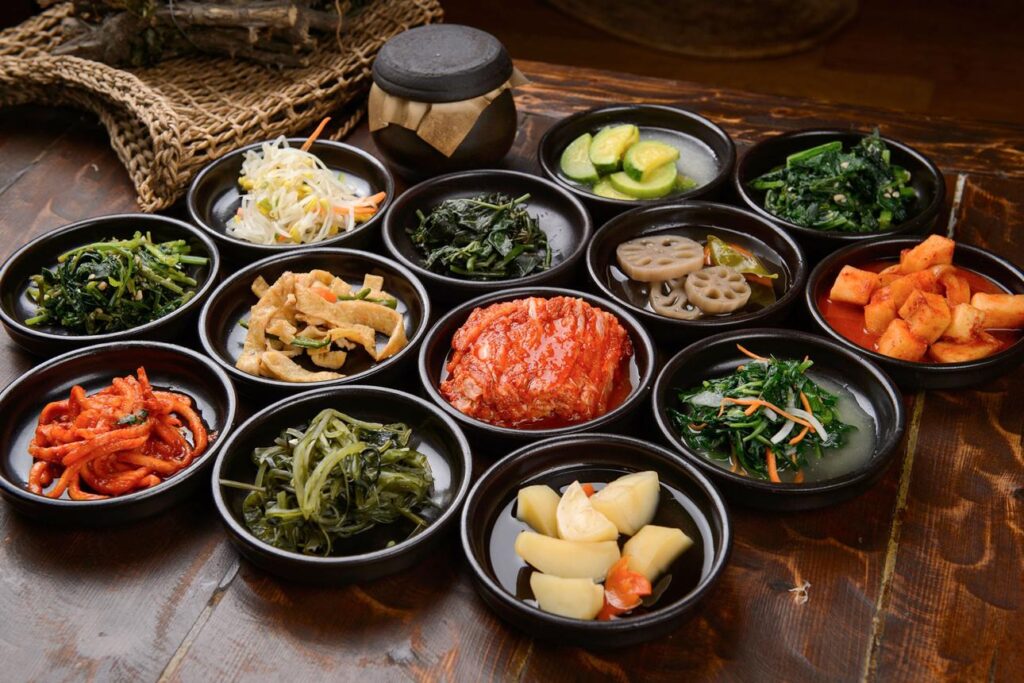
One of the first things you may notice is a selection of small side dishes called banchan.
Banchan are served alongside the main meal and can include vegetables, seasoned dishes, pickled foods, and different types of kimchi.
The exact selection varies between restaurants and meals.
You might receive several small dishes without ordering each one separately. They are meant to be enjoyed with the main food rather than treated as separate appetisers.
If you see something unfamiliar, there is nothing wrong with asking what it is.
Trying a small amount is also a good way to discover flavours you may not have experienced before.
How to Eat Korean BBQ
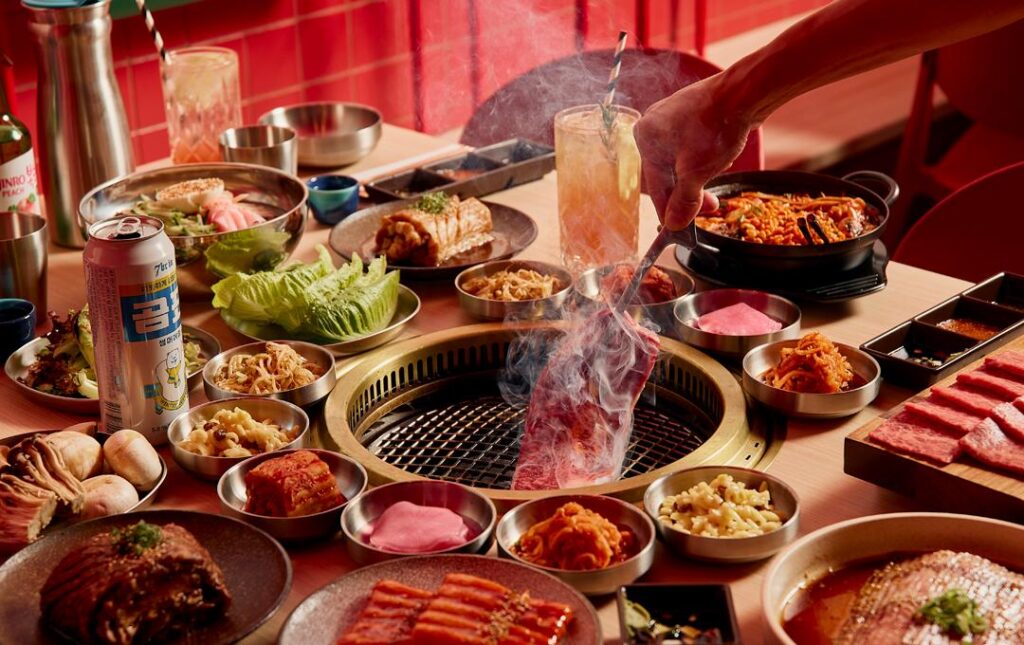
Korean BBQ is one of the most interactive Korean dining experiences.
At many Korean BBQ restaurants, raw or marinated meat is cooked on a grill at the table. Depending on the restaurant, staff may cook the meat for you, or you may be able to cook it yourself.
Popular choices include Samgyeopsal, Bulgogi, and Galbi.
Once the meat is cooked, you can enjoy it with rice, banchan, sauces, or fresh vegetables.
A common way to eat grilled meat is to make a small wrap using lettuce or perilla leaves. You can add meat, garlic, kimchi, ssamjang, or other ingredients according to your taste.
You do not have to follow one particular combination.
Part of the fun of Korean BBQ is trying different combinations and finding the flavours you enjoy most.
What Is Ssam?
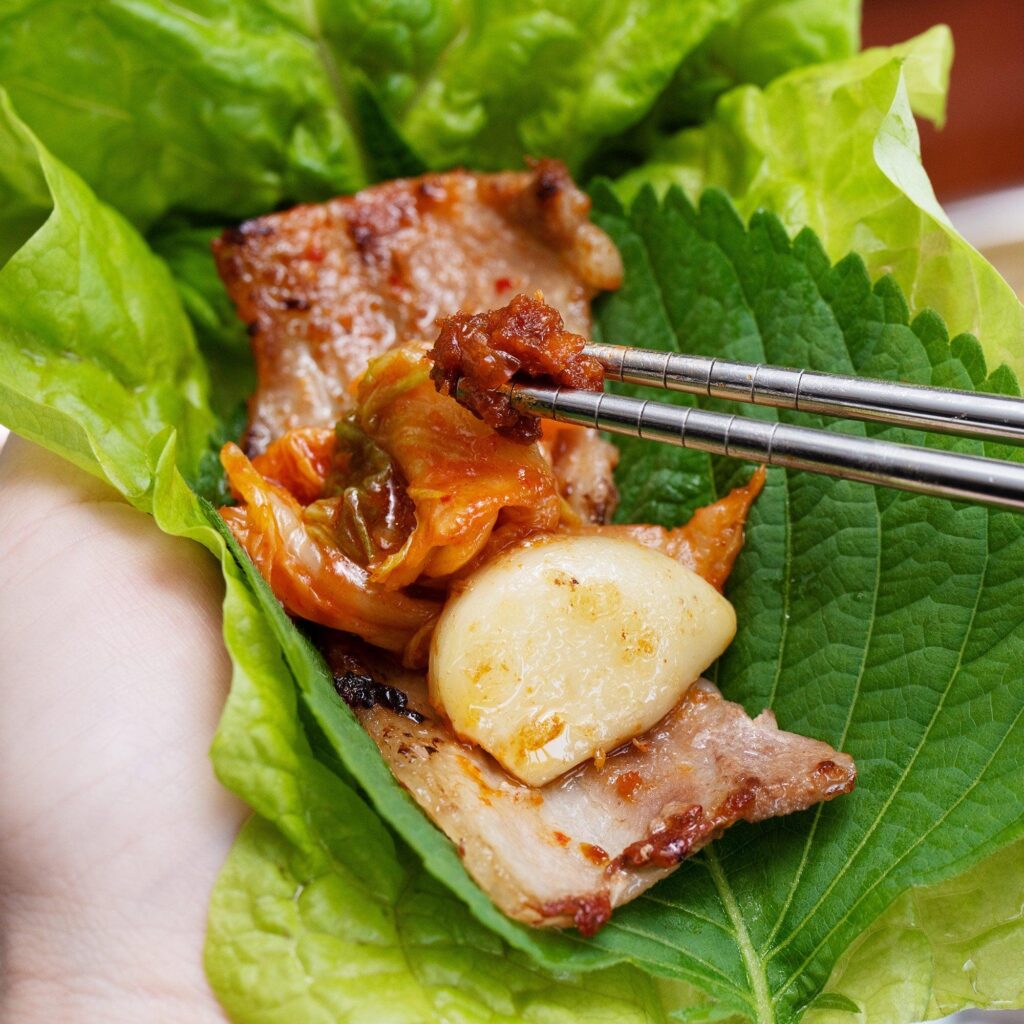
The Korean word ssam refers to food wrapped in leaves.
At a Korean BBQ restaurant, you may be given lettuce or perilla leaves for making wraps.
A simple ssam might contain grilled meat, a little ssamjang, garlic, and perhaps some kimchi.
You can make it as small or as simple as you like.
If you have never eaten this way before, start with a small amount of filling. It can be easier to eat and lets you enjoy the different flavours without making the wrap too large.
Do You Eat Kimchi with Everything?
Kimchi is an important part of Korean food culture, but you do not have to eat it with every dish.
Kimchi can be served as a side dish and may be eaten between bites of other foods.
There are many different types of kimchi, and the flavour can range from mild and refreshing to spicy, sour, and strongly fermented.
If you are trying kimchi for the first time, start with a small piece and see what you think.
Some people enjoy the strong flavour immediately, while others need a little time to get used to it.
Both reactions are completely normal.
How to Use Korean Sauces
Korean meals often come with sauces that add extra flavour.
You may come across sauces such as ssamjang, a savoury paste commonly enjoyed with grilled meat, or other dipping sauces depending on the dish.
You do not need to use a large amount.
Try a little sauce first, taste the food, and then add more if you like it.
This is especially useful if you are not sure how spicy or strong a sauce will be.
Chopsticks and a Spoon
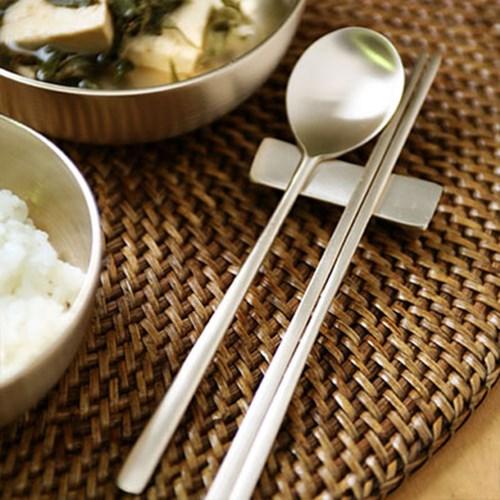
Korean meals commonly use both chopsticks and a spoon.
Chopsticks are useful for picking up vegetables, meat, noodles, and smaller pieces of food.
The spoon is particularly useful for rice, soup, and stews.
If you are not comfortable using chopsticks, do not worry. It is perfectly reasonable to take your time or ask the restaurant if another utensil is available.
You are visiting a restaurant to enjoy the food, not to demonstrate how well you can use chopsticks.
How to Share Korean Food
Sharing is an important part of many Korean meals.
When several dishes are placed in the centre of the table, everyone can take portions and try different foods.
For someone new to Korean cuisine, this can actually make ordering easier.
Instead of choosing only one unfamiliar dish, you can order several dishes to share and experience different flavours.
This works particularly well for dishes such as Korean pancakes, fried chicken, BBQ, stews, and noodles.
If you are dining with friends or family, sharing can also make the meal more enjoyable and relaxed.
What Should Beginners Order?
If you are visiting a Korean restaurant for the first time, you do not need to choose the most unusual item on the menu.
Start with something that sounds familiar or matches the flavours you already enjoy.
If you like grilled meat, try Bulgogi, Galbi, or Korean BBQ.
If you enjoy crispy food, Korean fried chicken can be a good choice.
For a rice-based meal, Bibimbap is a popular option.
If you prefer noodles, Japchae is a mild and approachable choice.
And if you enjoy spicy food, Tteokbokki may be worth trying.
There is no right or wrong first dish. Korean cuisine includes a wide range of flavours, so there is usually something to suit different tastes.
What If You Do Not Like Spicy Food?
One common concern among people trying Korean food for the first time is whether everything will be spicy.
Korean food is not always spicy.
Some dishes have a strong chilli flavour, while many others are mild, savoury, sweet, or simply grilled.
If you prefer mild food, you could start with Bulgogi, Japchae, Gimbap, or some Korean BBQ dishes.
When ordering something unfamiliar, you can also ask the staff whether it is spicy.
This simple question can help you choose a dish that is more comfortable for your taste.
How to Order at a Korean Restaurant
Menus at Korean restaurants can sometimes look unfamiliar, especially when Korean names are used.
Do not be afraid to take your time.
Look at the descriptions, pictures, or English names if they are available.
If you are eating with other people, sharing several dishes can also allow you to try more than one type of food.
If you are unsure about portion sizes, asking the staff is a good idea.
Restaurant staff can often explain which dishes are popular, how spicy something is, or whether a dish is suitable for sharing.
Korean Meals Can Come with Many Flavours
One of the things that makes Korean dining interesting is the variety of flavours on the table.
A meal might include something savoury, something spicy, something fresh, and something slightly sweet.
For example, grilled meat can be combined with fresh lettuce, kimchi, garlic, sauces, and other side dishes.
Instead of expecting every part of the meal to taste the same, try different combinations.
You may find that a food you did not particularly enjoy on its own tastes completely different when eaten with another ingredient.
Korean Restaurant Etiquette for Beginners
You do not need to memorise a long list of rules before visiting a Korean restaurant.
A few simple habits are enough.
Be considerate when sharing dishes and use the serving utensils provided when available.
If several people are eating together, try not to take more food than you can eat.
It is also polite to wait until food has been served before reaching across the table.
At a Korean BBQ restaurant, be careful around the grill and follow any instructions from the staff.
Most importantly, do not worry about making a small mistake.
Restaurants welcome people who are interested in trying Korean food, including first-time visitors.
What About Rice and Soup?
Rice is a common part of Korean meals and is often served in a small bowl.
Soup or stew may also be served alongside the meal.
Depending on the dish, you can enjoy rice separately or combine it with other foods.
Korean soups and stews range from mild to spicy, so checking the menu description or asking the staff can help you choose.
Some popular examples include Sundubu Jjigae, Doenjang Jjigae, and other traditional Korean stews.
Do You Have to Finish Everything?
As with any restaurant meal, it is best to order an amount you are comfortable eating.
When sharing several dishes, start with smaller portions. You can always have more if you enjoy something.
This is particularly useful when trying Korean food for the first time because you may not know which flavours you will prefer.
Ordering a variety of dishes and sharing them can be a relaxed way to explore Korean cuisine without committing to a large amount of one unfamiliar food.
A Simple First Korean Meal
If you are completely new to Korean food, here is one simple way to approach your first meal.
You might begin with a familiar dish such as Bulgogi or Korean fried chicken.
Add rice and try a few of the banchan that come with the meal.
If you enjoy the flavours, try some kimchi.
For your next visit, you could explore Bibimbap, Japchae, Galbi, Korean BBQ, or Tteokbokki.
There is no need to try everything at once.
Korean food is a large and varied cuisine, and discovering it gradually can be part of the experience.
Frequently Asked Questions
Is Korean food difficult to eat for beginners?
Not at all. Although some dishes and dining customs may initially look unfamiliar, most Korean meals are straightforward once you understand how the food is served.
Do Korean restaurants always serve spicy food?
No. Korean cuisine includes many mild dishes as well as spicy ones. Bulgogi, Japchae, Gimbap, and many grilled dishes can be suitable for people who prefer less spice.
What Korean food is best for a first-time visitor?
Bulgogi, Korean fried chicken, Bibimbap, Japchae, and Korean BBQ are all popular choices for people discovering Korean cuisine.
What are the small dishes served with Korean food?
They are called banchan. They are side dishes that are served with the main meal and can include vegetables, kimchi, pickled foods, and other seasoned dishes.
Do I need to know how to use chopsticks?
No. Chopsticks are commonly used, but you do not need to be an expert. A spoon is also an important utensil in Korean dining.
What should I do if I cannot eat spicy food?
Tell the staff that you prefer mild food and ask which dishes are not spicy. There are many Korean dishes that do not rely on chilli.
Final Thoughts
Eating at a Korean restaurant for the first time does not need to be complicated.
You may encounter unfamiliar dishes, new flavours, and a different way of sharing food, but that is part of what makes Korean dining interesting.
Start with dishes that sound appealing to you, try small amounts of unfamiliar foods, and ask questions when you are unsure.
You may discover that Korean food is much more varied than you expected.
Whether you begin with Bulgogi, Bibimbap, Korean fried chicken, Japchae, or Korean BBQ, your first Korean meal can be the beginning of discovering a much wider food culture.
The best advice is simple: take your time, try what looks interesting, and enjoy the experience.