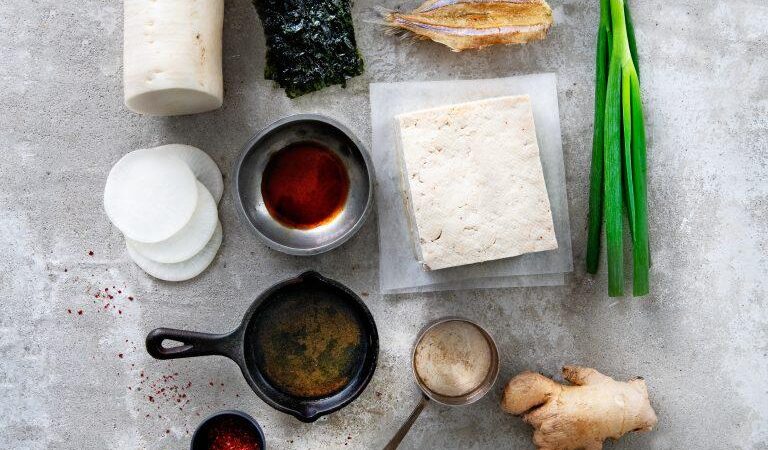
Korean food is known for its variety of flavours. Some dishes are spicy, some are mild, and others are savoury, sweet, fermented, or wonderfully aromatic.
If you have ever wondered why Korean food has such a distinctive taste, the answer often starts with the ingredients used in the kitchen.
Many Korean dishes are built around a small group of familiar ingredients. Gochujang, doenjang, soy sauce, sesame oil, garlic, and Korean red pepper flakes are just a few of the ingredients that appear in many traditional recipes.
For someone who is new to Korean cooking, these ingredients can look unfamiliar at first. Once you understand what they are and how they are used, Korean recipes become much easier to follow.
Here are 15 essential Korean ingredients and some simple ways they are used in everyday Korean cooking.
1. Gochujang – Korean Red Pepper Paste
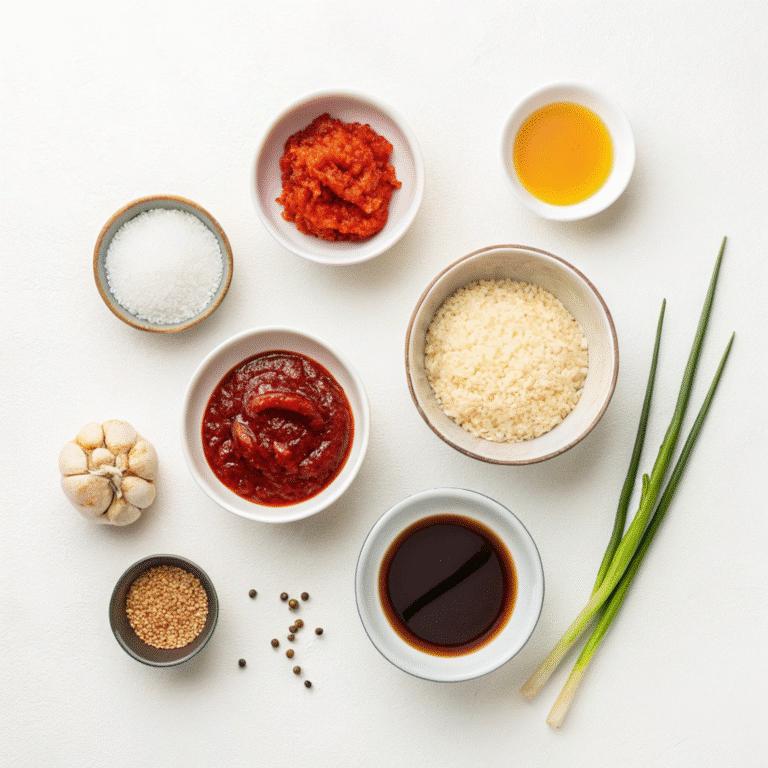
Gochujang is one of the best-known Korean ingredients.
It is a thick fermented red pepper paste with a combination of spicy, sweet, salty, and savoury flavours. It is commonly used in sauces, marinades, stews, and rice dishes.
You may already have tasted gochujang in dishes such as bibimbap or tteokbokki.
A small amount can add a lot of flavour, so it is usually better to start with less and add more if needed.
Gochujang is particularly useful when you want to add both heat and depth to a dish.
2. Gochugaru – Korean Red Pepper Flakes
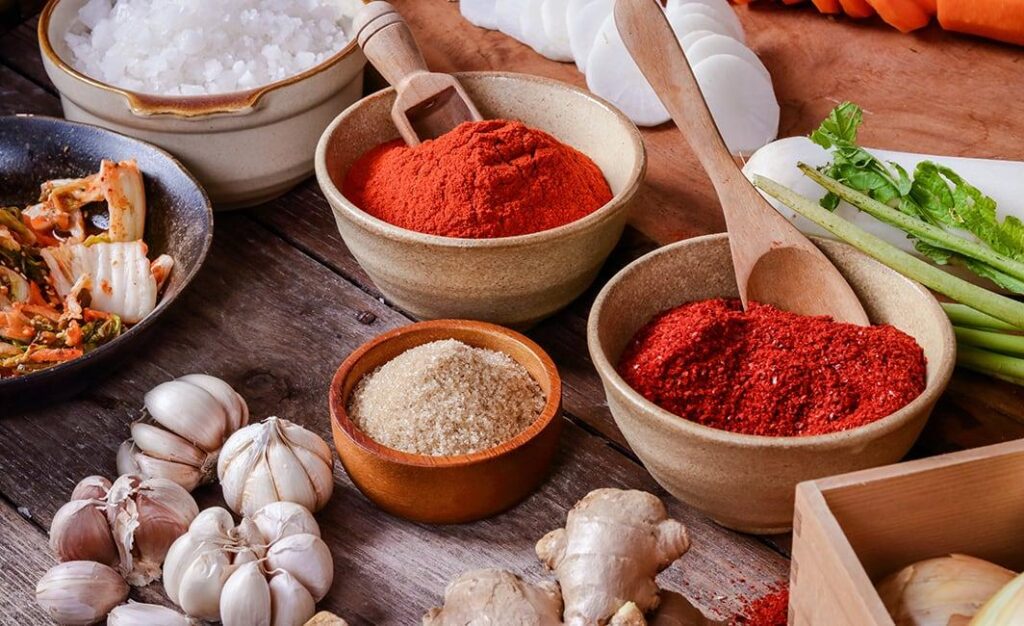
Gochugaru is Korean red pepper powder or flakes.
It is an important ingredient in Korean cooking, especially when making kimchi and spicy dishes.
Gochugaru is available in different textures, from coarse flakes to finer powder. It provides colour as well as chilli flavour.
Unlike simply adding fresh chilli, gochugaru gives Korean dishes a distinctive flavour and appearance.
It is one of the ingredients that gives kimchi its familiar red colour.
3. Doenjang – Fermented Soybean Paste
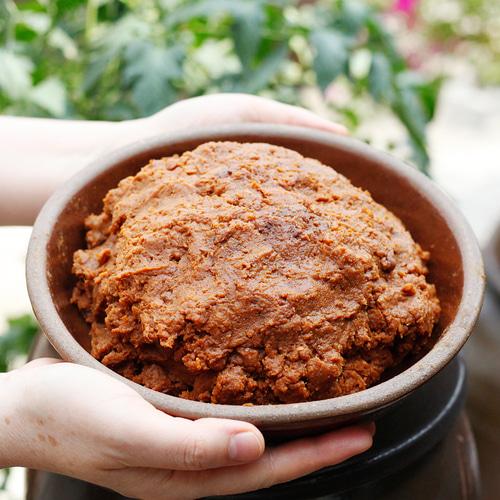
Doenjang is a fermented soybean paste with a strong, savoury flavour.
It is often used in Korean soups and stews, including doenjang jjigae. It can also be used in sauces and as part of ssam-style meals.
Doenjang has a deeper and more earthy flavour than many people expect when they first taste it.
If you are new to Korean food, you may notice its rich savoury flavour in soups and stews rather than as a dominant ingredient.
Doenjang is one of the traditional fermented pastes that gives Korean cooking much of its depth.
4. Ganjang – Korean Soy Sauce
Ganjang is Korean soy sauce.
Soy sauce is used to season many Korean dishes, including soups, stir-fries, marinades, dipping sauces, and braised dishes.
There are different types of Korean soy sauce, and they are not all used in exactly the same way.
For example, soup soy sauce, known as gukganjang, is commonly used to season soups and other dishes where a lighter colour and strong salty flavour are useful. Other soy sauces can be used for marinades and general seasoning.
Soy sauce may not seem particularly unusual, but it plays an important role in creating the savoury foundation of many Korean dishes.
5. Sesame Oil
Korean sesame oil, or chamgireum, is known for its rich, nutty aroma.
It is often used as a finishing ingredient rather than simply as a cooking oil.
A small drizzle of sesame oil can change the aroma of rice, noodles, vegetables, marinades, and grilled meat.
It is commonly associated with dishes such as bibimbap and japchae.
Because the flavour is quite strong, you usually do not need a large amount.
6. Sesame Seeds
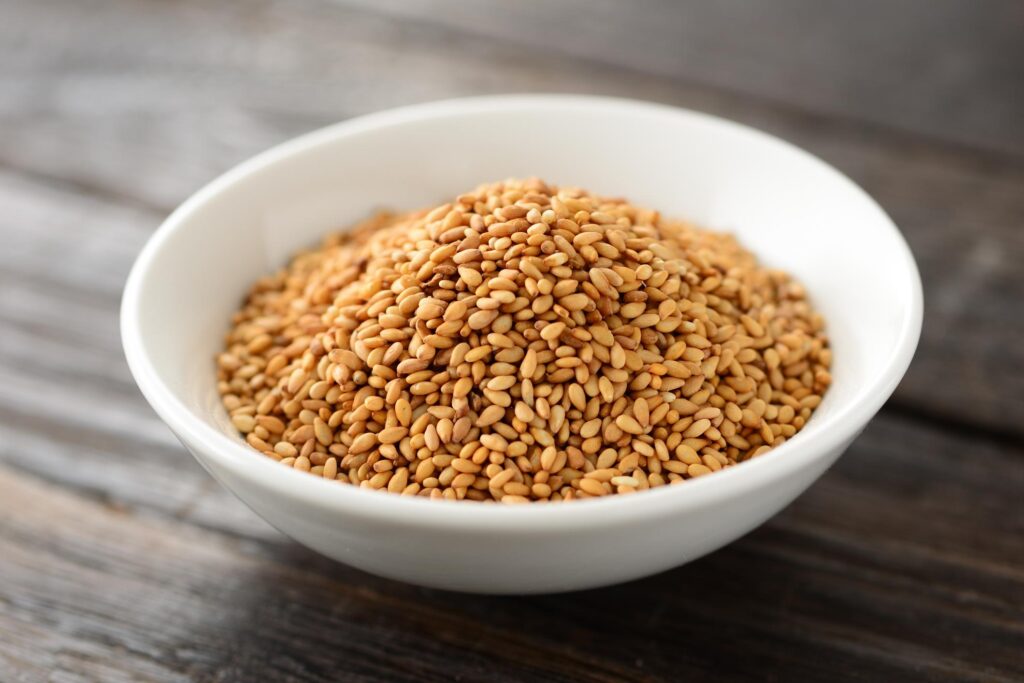
Sesame seeds are another familiar ingredient in Korean cooking.
They are often toasted and sprinkled over vegetables, noodles, meat, rice dishes, and side dishes.
They add a light crunch as well as a nutty flavour.
You may have noticed small sesame seeds sprinkled over Korean dishes in restaurants. They may look like a simple decoration, but they can add both aroma and texture.
Sesame seeds and sesame oil are often used together to give dishes a recognisable Korean flavour.
7. Garlic
Garlic is one of the most commonly used flavouring ingredients in Korean cooking.
It can be chopped, minced, sliced, or cooked whole depending on the dish.
Garlic is frequently used in marinades for meat, sauces, soups, stews, stir-fries, and many side dishes.
It is particularly important in dishes such as Korean BBQ marinades and kimchi.
The strong aroma of fresh garlic can become much softer and sweeter after cooking, making it useful in many different types of Korean food.
8. Green Onion
Green onion, also called spring onion or scallion, is another everyday ingredient in Korean kitchens.
It can be used to add freshness and aroma to soups, stews, sauces, pancakes, noodles, and meat dishes.
Sometimes green onion is cooked with the other ingredients. In other dishes, it is added near the end to keep some of its fresh flavour.
Thinly sliced green onion is also commonly used as a garnish.
It is a simple ingredient, but it can make a noticeable difference to the final flavour of a dish.
9. Korean Fish Sauce
Korean fish sauce, known as aekjeot, is made from salted and fermented seafood.
It is especially important in Korean food preparation, including kimchi and some soups and stews.
Fish sauce provides a salty, savoury depth that can be difficult to achieve with salt alone.
You do not normally need a large amount. A little can add a strong umami flavour to a dish.
Different varieties are available, including anchovy fish sauce and other fermented seafood sauces.
10. Salted Shrimp
Salted shrimp, or saeujeot, consists of small shrimp that have been salted and fermented.
It is an ingredient that may be unfamiliar to people who are new to Korean cooking.
Saeujeot is used in some kimchi recipes and can also be used to season soups and other dishes.
It provides saltiness as well as a distinctive seafood-based umami flavour.
Because it is quite concentrated, only a small amount may be needed.
11. Dried Anchovies
Dried anchovies, known as myeolchi, are commonly used to make Korean soup stock.
They may be combined with kelp to create a savoury base for soups and stews.
This is one of the reasons Korean soups can have a rich flavour even when the finished dish does not taste strongly of fish.
Dried anchovies are also an example of how Korean cooking often builds flavour gradually, starting with a good stock.
12. Korean Radish
Korean radish, often called mu, is used in many Korean dishes.
It can be eaten raw, seasoned, pickled, cooked in soups, or used in kimchi.
Korean radish has a crisp texture and a mild, slightly sweet flavour.
It is particularly important in different types of kimchi and can also be found in soups and stews.
Because it can be used in several different ways, it is a useful ingredient to know when exploring Korean cuisine.
13. Napa Cabbage
Napa cabbage is one of the most recognisable vegetables in Korean cuisine.
It is especially well known as the main vegetable used in traditional napa cabbage kimchi.
However, it is not limited to kimchi. Napa cabbage can also be used in soups, stews, and other Korean dishes.
Its soft leaves and mild flavour make it suitable for absorbing seasonings and sauces.
For many people outside Korea, napa cabbage may be one of the first ingredients they associate with Korean cooking because of its connection with kimchi.
14. Korean Rice Syrup
Rice syrup and other Korean cooking syrups are used to add sweetness and shine to certain dishes.
They can be used in sauces, marinades, stir-fries, and glazed foods.
Sweetness is often used in Korean cooking to balance salty, spicy, or savoury flavours.
For example, a slightly sweet sauce can work particularly well with grilled meat or spicy dishes.
The amount used depends on the recipe, so it is best to follow the proportions rather than adding too much.
15. Kelp
Kelp, known as dashima, is often used to make Korean soup stock.
It can be combined with dried anchovies and other ingredients to create a savoury base.
Kelp itself may not be noticeable in the finished soup, but it can contribute depth and umami to the stock.
This is a good example of an ingredient that works quietly in the background rather than appearing as the main part of a dish.
How These Ingredients Work Together
One of the interesting things about Korean cooking is that these ingredients are rarely used completely on their own.
Instead, cooks combine them to create balance.
For example, soy sauce can provide saltiness, while garlic adds aroma. Sesame oil contributes a nutty fragrance, and a little sweetness can balance stronger savoury flavours.
Gochujang and gochugaru can add chilli heat, while fermented ingredients such as doenjang and fish sauce provide depth.
This combination of flavours is one reason Korean food can taste complex even when a recipe uses relatively familiar ingredients.
Korean Fermented Ingredients
Fermentation is an important part of Korean food culture.
Gochujang, doenjang, soy sauce, kimchi, fish sauce, and salted seafood are examples of ingredients or foods that involve fermentation or preservation.
These ingredients can develop strong and distinctive flavours over time.
For someone new to Korean cuisine, fermented flavours may take a little getting used to.
However, they are an important part of what makes Korean food different from many other cuisines.
Which Korean Ingredients Should Beginners Buy First?
You do not need to buy all 15 ingredients at once.
If you are just starting to cook Korean food at home, begin with a few versatile ingredients.
A useful starting group could include:
- Gochujang
- Gochugaru
- Doenjang
- Korean soy sauce
- Sesame oil
- Garlic
- Green onion
- Sesame seeds
With these ingredients, you can begin experimenting with sauces, marinades, soups, rice dishes, noodles, vegetables, and grilled foods.
As you become more comfortable with Korean cooking, you can add ingredients such as fish sauce, dried anchovies, kelp, salted shrimp, and Korean radish.
Where Can You Find Korean Ingredients in Australia?
Many Korean ingredients are available through Korean grocery stores and Asian supermarkets in Australia.
Some ingredients have also become easier to find in larger supermarkets as interest in Korean food has grown.
When buying unfamiliar ingredients, check the label and look at how the product is intended to be used.
For pastes and sauces, it can also be useful to compare different varieties because flavour, saltiness, and spice levels can vary.
If you are not sure what to buy, starting with a small container is a practical option.
There is no need to fill your kitchen with ingredients before you know which Korean dishes you enjoy cooking.
Korean Ingredients and Popular Dishes
Many of the ingredients in this guide can be connected to dishes you may already know.
Gochujang is commonly associated with bibimbap and tteokbokki.
Gochugaru is particularly important in kimchi and spicy Korean dishes.
Doenjang is commonly used in doenjang jjigae.
Soy sauce, garlic, and sesame oil are often used in marinades and dishes such as bulgogi and japchae.
Sesame oil and sesame seeds are frequently used to finish rice dishes and seasoned vegetables.
Understanding these connections can make Korean recipes much easier to understand.
Instead of seeing a long list of unfamiliar ingredients, you can begin to recognise the flavours behind dishes you already enjoy.
Frequently Asked Questions
What are the most important Korean ingredients?
Gochujang, doenjang, Korean soy sauce, gochugaru, sesame oil, garlic, and green onion are useful ingredients to know when starting with Korean cooking.
Is Korean cooking always spicy?
No. Korean food includes spicy dishes, but many Korean dishes are mild, savoury, sweet, or simply seasoned.
What gives Korean food its distinctive flavour?
There is no single ingredient responsible for the flavour of Korean cuisine. Fermented pastes and sauces, sesame oil, garlic, chilli, seafood-based seasonings, vegetables, and other ingredients work together to create different flavours.
What is gochujang used for?
Gochujang is commonly used in sauces, marinades, stews, rice dishes, and spicy Korean foods such as tteokbokki.
What is the difference between gochujang and gochugaru?
Gochujang is a fermented red pepper paste, while gochugaru is Korean red pepper powder or flakes. They have different textures and are used in different ways.
What is doenjang?
Doenjang is a fermented soybean paste used to add a deep savoury flavour to soups, stews, sauces, and other Korean dishes.
Do I need special ingredients to cook Korean food?
You can start with a small selection of Korean ingredients rather than buying everything at once. Gochujang, soy sauce, sesame oil, garlic, and gochugaru are useful starting points.
Final Thoughts
Learning about Korean ingredients is a simple way to understand Korean food more deeply.
You do not have to become an expert cook or buy every ingredient immediately.
Start with a few basics, learn how they taste, and notice how they are used in different dishes.
Once you understand ingredients such as gochujang, doenjang, gochugaru, soy sauce, sesame oil, and garlic, many Korean recipes become much less unfamiliar.
Korean cooking is not only about spicy food. It is about balancing savoury, sweet, spicy, fermented, fresh, and aromatic flavours.
That balance is what makes Korean cuisine so varied and enjoyable.
Whether you are making kimchi, bibimbap, bulgogi, japchae, Korean BBQ, or a simple soup at home, understanding the ingredients is a great place to begin.