Trying Korean food for the first time can be exciting, but the menu can also feel a little unfamiliar. This guide to Korean food for beginners will help you discover some of Korea’s most popular dishes and decide what to try first.
The good news is that you do not need to know everything about Korean food before trying it.
Korean cuisine has a wide range of flavours. Some dishes are mild and savoury, while others are spicy, sweet, fermented, or full of rich grilled flavours. There are also plenty of dishes that are easy for first-time diners to enjoy.
If you are discovering Korean food in Australia, this guide will help you understand what to expect and choose dishes that suit your taste.
What Makes Korean Food Different?
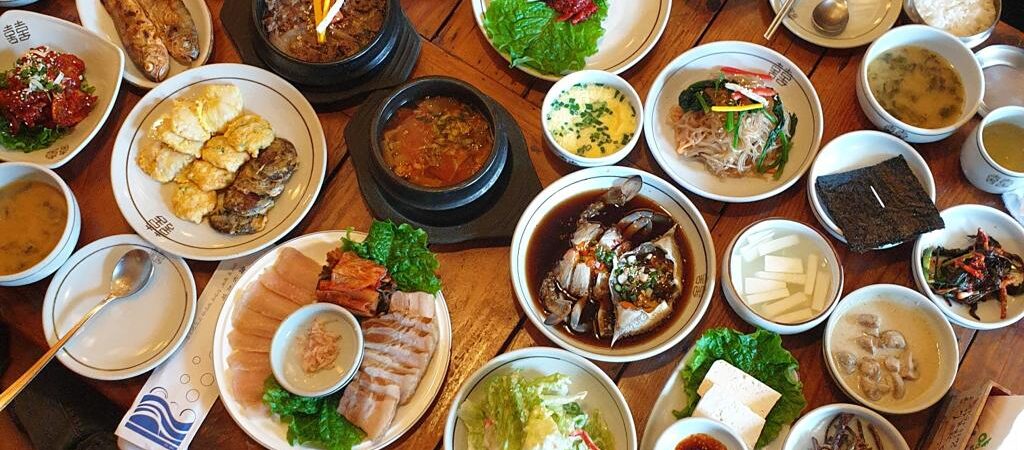
One of the first things you may notice about a Korean meal is that several different foods can arrive at the table at the same time.
A main dish may be served with rice, vegetables, sauces and small side dishes known as banchan. Rather than having everything on one plate, diners often enjoy different flavours and textures throughout the meal.
Korean food also makes good use of ingredients such as garlic, sesame oil, soy sauce, chilli, fermented vegetables and fresh herbs.
Not every Korean dish is spicy. In fact, some of the easiest dishes for beginners have mild, savoury or slightly sweet flavours.
For a broader introduction to Korean food culture, you can also explore the official VISITKOREA guide to Korean food, which explains Korean meals, banchan, ssam, Korean BBQ, and other food traditions.
Start With Mild Korean Dishes
If you are not used to spicy food, there is no reason to start with the hottest dish on the menu.
Bulgogi
Bulgogi is a popular Korean beef dish made with thinly sliced beef and a savoury marinade.
The flavour is often slightly sweet and garlicky rather than hot, making it a comfortable choice for someone trying Korean food for the first time.
If you enjoy grilled or barbecued beef, Bulgogi is a good place to start.
You can read more about this dish in our guide to Bulgogi.
Japchae
Japchae is made with Korean glass noodles, vegetables and a savoury seasoning. Beef is also commonly included.
The noodles have a soft, slightly chewy texture, and the flavour is generally mild.
For someone who enjoys noodles but is unsure about spicy Korean food, Japchae can be an easy introduction.
Read our guide to Japchae to learn more.
Gimbap
Gimbap consists of rice and various fillings rolled in dried seaweed and sliced into bite-sized pieces.
Fillings vary, but may include vegetables, egg, pickled radish and meat.
It is convenient to eat and usually has a mild flavour, although individual varieties can be different.
Gimbap is a good option if you want to try Korean food without starting with something spicy.
If You Enjoy Grilled Food
Australians are familiar with outdoor barbecues and grilled meat, so Korean BBQ can be an enjoyable introduction to Korean dining.
Korean BBQ
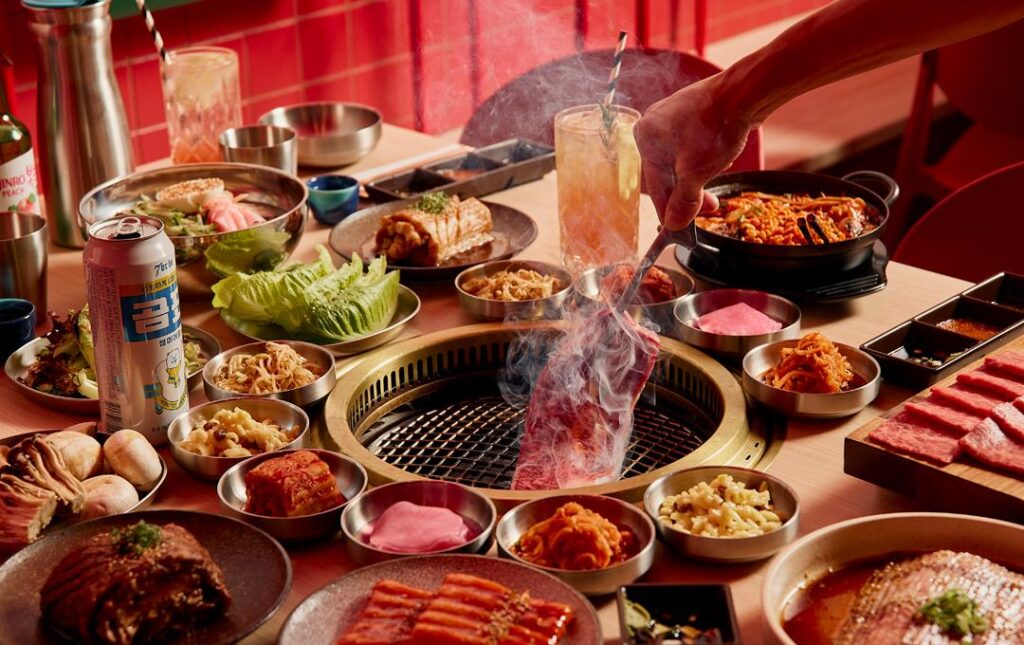
Korean BBQ is different from a traditional Australian barbecue because the meat is often cooked at the table.
Depending on the restaurant, diners may cook the meat themselves on a built-in grill or have it cooked for them.
Popular choices include beef, pork and chicken.
The meal is usually shared, with vegetables, sauces, rice and banchan served alongside the grilled meat.
Part of the fun is choosing different combinations of meat, vegetables and sauces as you eat.
For a closer look at the experience, see our guide to Korean BBQ.
Samgyeopsal
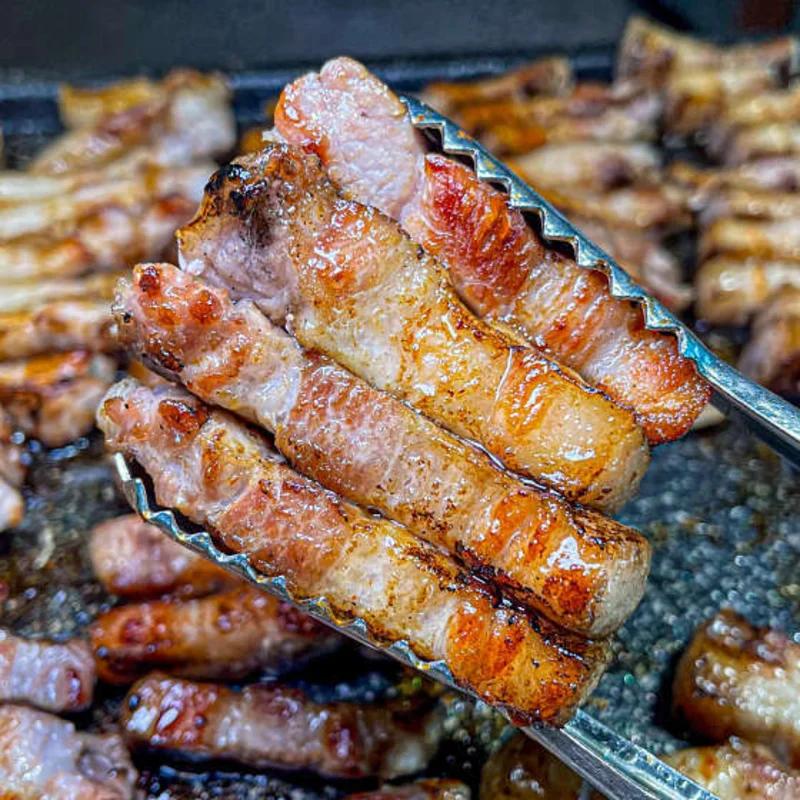
Samgyeopsal is grilled pork belly and is one of the best-known Korean BBQ choices.
The meat is usually grilled in slices and can be eaten with lettuce or perilla leaves, garlic, kimchi and ssamjang.
If you enjoy pork and barbecue flavours, this is worth trying.
You can find more information in our Samgyeopsal guide.
What If You Like Spicy Food?
If you enjoy chilli, Korean cuisine has plenty to offer.
Tteokbokki
Tteokbokki is a popular Korean street food made with chewy rice cakes cooked in a spicy and slightly sweet sauce.
The texture is quite different from many familiar Western foods, which is part of its appeal.
Some versions can be quite hot, so if you are sensitive to chilli, it is worth asking about the level of spiciness before ordering.

Spicy Korean Fried Chicken
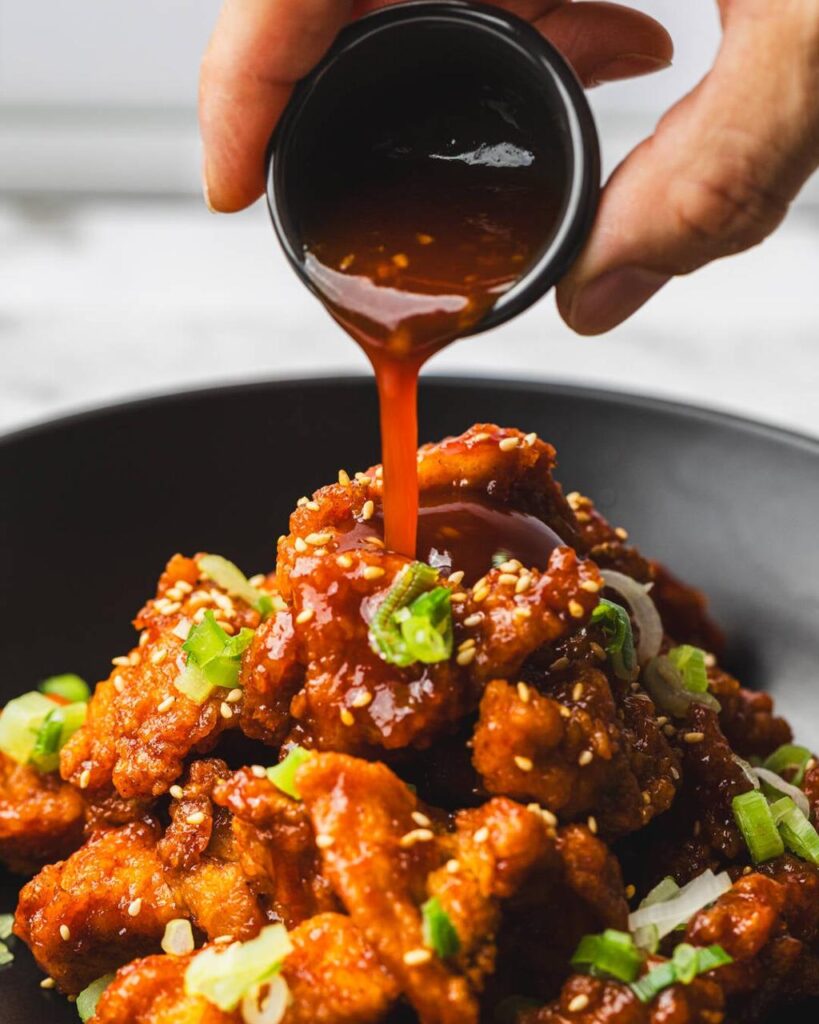
Korean fried chicken is known for its crisp coating and juicy meat.
It can be served with different sauces, ranging from mild soy garlic to sweet and spicy varieties.
This makes it easy to choose a flavour that suits you.
If you already enjoy fried chicken, Korean fried chicken can be one of the easiest ways to explore Korean flavours.
Our Korean Fried Chicken guide has more information.
What Is Banchan?
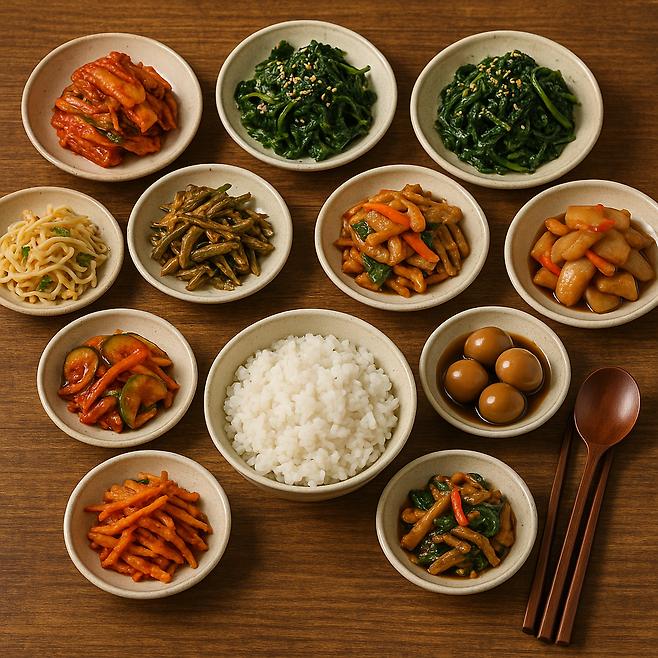
One of the most interesting parts of a Korean meal for first-time diners is banchan.
Banchan refers to small side dishes served with a Korean meal.
You might find kimchi, seasoned vegetables, bean sprouts, pickled vegetables or other side dishes on the table.
You do not necessarily have to know the name of every dish. A good way to experience Korean food is simply to try a little and see which flavours you enjoy.
Banchan can also make a meal feel more varied because you can have different tastes and textures with each bite.
What Is Ssam?
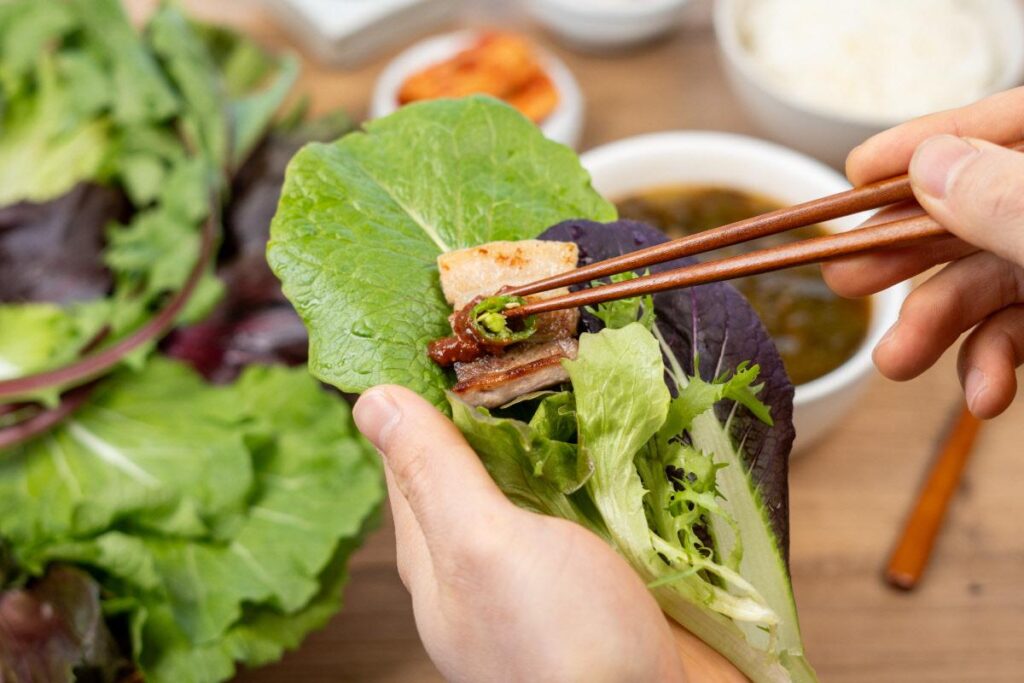
You may also come across the word ssam when eating Korean BBQ.
Ssam means a wrap. Grilled meat can be placed inside lettuce or perilla leaves along with ingredients such as garlic, kimchi and ssamjang.
There is no single combination that everyone has to use.
One person may prefer a simple lettuce and meat wrap, while another may add garlic, kimchi and sauce.
That freedom is part of the fun.
How to Order Korean Food for the First Time
If the menu looks unfamiliar, start with something you already know you enjoy.
For example:
If you like beef: try Bulgogi or Galbi.
If you like pork: try Samgyeopsal or Jeyuk Bokkeum
If you like noodles: try Japchae, Jajangmyeon or Kalguksu.
If you like rice dishes: try Bibimbap.
If you like fried chicken: try Korean fried chicken.
If you enjoy spicy food: try Tteokbokki or a spicy chicken dish.
If you prefer mild flavours: try Bulgogi, Japchae or Gimbap.
You do not need to order several unfamiliar dishes at once. Choosing one familiar option and one new dish can be a comfortable way to explore.
Sharing Food Is Part of the Experience
Korean meals are often enjoyed with other people.
Instead of everyone ordering exactly the same thing, a group may choose several dishes and share them.
This is particularly enjoyable with Korean BBQ because everyone can try different meats and combinations.
Sharing also makes it easier to discover foods you might not have chosen for yourself.
If you are eating Korean food with friends for the first time, consider ordering a few different dishes rather than choosing only one large meal.
Is Korean Food Always Spicy?
No.
This is one of the most common misunderstandings about Korean food.
Some Korean dishes are definitely spicy, but many are not.
Bulgogi, Japchae, Gimbap and many Korean BBQ dishes can have mild or savoury flavours.
Even dishes that are traditionally spicy may have different versions depending on the restaurant.
If you do not enjoy chilli, simply ask the restaurant staff which dishes are mild.
Trying Kimchi for the First Time
Kimchi is probably one of the Korean foods you are most likely to hear about.
It is a traditional fermented vegetable food, with napa cabbage kimchi being one of the best-known varieties.
Kimchi can have sour, salty, spicy and savoury flavours. The taste can also change depending on the ingredients and fermentation.
If the flavour seems strong when you first try it, you may find it easier to enjoy kimchi alongside rice, grilled meat or other foods.
There are also many different kinds of kimchi, so trying one variety does not mean you have tried every type.
Learn more in our guide to Kimchi.
What to Expect at a Korean Restaurant in Australia
Korean restaurants in Australia can vary quite a lot.
Some specialise in Korean BBQ, while others focus on dishes such as fried chicken, noodles, soups or traditional Korean meals.
The dining style may also be different from what you are used to.
At a Korean BBQ restaurant, for example, the table may have a built-in grill. At another Korean restaurant, you may simply order individual dishes from a menu.
Banchan may arrive with the meal, and some restaurants may offer sauces or additional side dishes.
If you are unsure about how something works, it is perfectly fine to ask the staff.
Korean Food and Australian Tastes
Korean food fits naturally into Australia’s diverse food culture.
Australian diners have different preferences, and there is no single Korean dish that everyone will enjoy.
Some people are drawn to grilled meat and Korean BBQ. Others prefer noodles, rice dishes or fried chicken.
People who enjoy strong flavours may become interested in kimchi and spicy dishes, while those who prefer milder food may find Bulgogi, Japchae or Gimbap easier to start with.
The best approach is simply to try different foods and find what suits your own taste.
A Simple Way to Explore Korean Food
If you are completely new to Korean cuisine, you could start with a simple meal such as:
- Bulgogi
- Rice
- A few banchan
- Gimbap or Japchae to share
Once you become more comfortable, try Korean BBQ or dishes with stronger flavours.
There is no need to rush. Korean cuisine has a lot of variety, and discovering it gradually can be more enjoyable than trying everything at once.
Frequently Asked Questions
What Korean food is best for beginners?
Bulgogi, Japchae, Gimbap, Bibimbap and Korean fried chicken can all be approachable choices for people trying Korean food for the first time.
What Korean food is not spicy?
Bulgogi, Japchae and many varieties of Gimbap are generally mild. Korean BBQ also includes many meat options that are not spicy.
Should I try kimchi if I have never eaten fermented food?
Yes, if you are curious. Start with a small amount and try it with rice or grilled meat. Kimchi has a distinctive flavour, and different varieties can taste quite different.
What should I order at a Korean BBQ restaurant?
If it is your first visit, Samgyeopsal, Bulgogi or Galbi are good options. Ordering a couple of different meats to share can also help you discover what you like.
Do Korean restaurants in Australia serve spicy food?
Some do, but not every dish is spicy. Most Korean restaurants offer a mixture of mild, savoury and spicy dishes.
Do I need to know Korean to order Korean food?
No. Many Korean restaurants in Australia have English menus. If you are unsure about a dish, asking the staff for a recommendation can make your first visit much easier.
Final Thoughts
Trying Korean food for the first time does not have to be complicated.
You can start with something familiar, such as grilled beef, noodles or fried chicken, and gradually explore dishes with different flavours and textures.
What makes Korean cuisine especially interesting is the variety. A single meal can include grilled meat, fresh vegetables, fermented foods, sauces, rice and several small side dishes.
Whether you start with a mild Bulgogi, a plate of Japchae, a Korean BBQ meal or something spicy like Tteokbokki, there is plenty to discover.
The best part is that there is no right or wrong way to begin. Try what looks interesting, share a few dishes with friends or family, and give yourself time to discover the Korean foods you enjoy most.
For more ideas, explore our guides to Korean BBQ, Bulgogi, Samgyeopsal, Japchae and Kimchi.