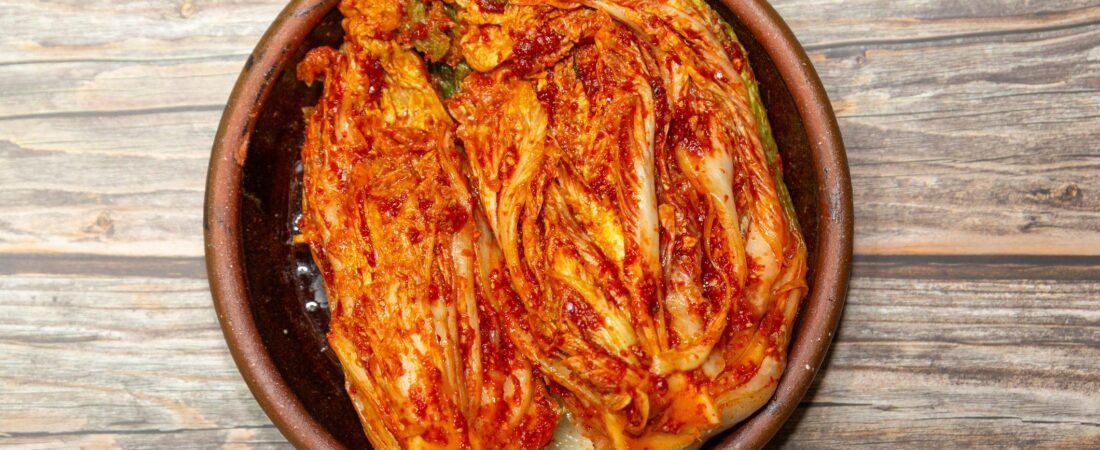
Kimchi is one of the most recognisable foods in Korean cuisine. This traditional fermented vegetable dish is known for its bold combination of spicy, sour, salty, and savoury flavours.
Although napa cabbage is the variety most familiar internationally, Korea has a remarkable range of fermented vegetable dishes. Recipes differ according to the season, region, ingredients, and family traditions.
For Australians discovering Korean cuisine, trying different varieties is an enjoyable way to experience Korean flavours and food culture.
What Is Kimchi?
Kimchi is a traditional Korean food made by seasoning vegetables and allowing them to ferment.
Napa cabbage and Korean radish are commonly used, but cucumber, mustard greens, and other vegetables can also be prepared in this style.Typical seasonings include:
- Garlic
- Ginger
- Gochugaru (Korean red pepper flakes)
- Salt
- Spring onions
- Fish sauce or salted seafood
The ingredients and proportions vary between recipes. As fermentation develops, the vegetables take on a distinctive tangy flavour and a deeper aroma.
This combination of fresh vegetables, seasoning, and fermentation gives the food its characteristic taste.
A Short History of Kimchi
Preserving seasonal vegetables was an important part of traditional Korean food preparation, particularly before modern refrigeration.
Families developed different preservation techniques so vegetables could be enjoyed throughout the colder months.
Over generations, these methods became an important part of Korean culinary traditions.
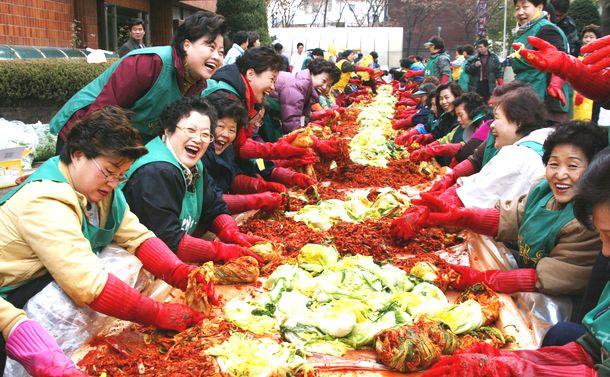
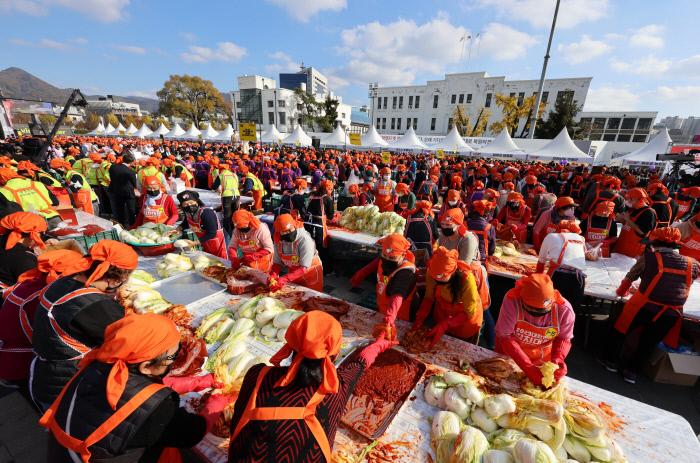
One of the most significant traditions is Kimjang, the communal preparation of large quantities of fermented vegetables before winter.
Kimjang brought families and communities together. People prepared vegetables, shared recipes, and passed food-making knowledge between generations.
The tradition was recognised by UNESCO as Intangible Cultural Heritage in 2013, highlighting its cultural significance.
What Ingredients Are Commonly Used?
The ingredients depend on the variety being prepared.
Napa cabbage provides a soft texture, while Korean radish adds a crisp bite. Garlic and ginger contribute strong aromas, while gochugaru provides colour and chilli flavour.
Salt is important during vegetable preparation, while fermented seasonings such as fish sauce can add savoury depth.
A typical recipe may include:
| Ingredient | Role |
|---|---|
| Napa cabbage | Main vegetable and soft texture |
| Korean radish | Crunch and freshness |
| Garlic | Strong savoury aroma |
| Ginger | Warm, fresh flavour |
| Gochugaru | Colour and chilli flavour |
| Spring onions | Freshness and aroma |
| Salt | Seasoning and vegetable preparation |
| Fish sauce | Savoury umami flavour |
Not every recipe contains all of these ingredients. Vegetarian and regional versions can use different seasonings.
How Fermentation Changes the Flavour
Fermentation is one of the most interesting parts of this traditional food.
After the vegetables are seasoned, naturally occurring microorganisms begin changing the food over time. This process gradually creates the tangy flavour associated with fermented vegetables.
Freshly prepared vegetables may taste relatively mild. As fermentation continues, the flavour can become more sour, complex, and aromatic.
This is one reason older fermented vegetables are often used in cooked dishes such as kimchi jjigae and kimchi fried rice.
Popular Varieties to Try
There is no single version that represents every Korean household.
Baechu Kimchi
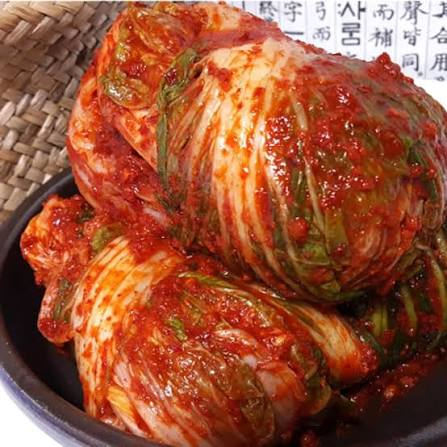
Baechu is the familiar napa cabbage variety. It is commonly seasoned with garlic, ginger, gochugaru, spring onions, and fermented seasonings.
It is frequently served with steamed rice and Korean BBQ.
Kkakdugi
Kkakdugi is made from Korean radish cut into cubes.
Its crunchy texture and refreshing flavour make it a popular accompaniment to Korean soups and rice dishes.
Oi Kimchi
Oi kimchi is prepared with cucumber and has a crisp, refreshing texture.
It is particularly enjoyable during warmer weather.
Baek Kimchi
Baek kimchi is a mild variety prepared without the red pepper flakes normally associated with spicy versions.
Its clean and refreshing flavour makes it a useful introduction for people who prefer less chilli heat.
Gat Kimchi
Gat kimchi is made using mustard greens.
It has a distinctive combination of savoury, spicy, and slightly bitter flavours and is particularly associated with traditional regional cuisine.
Kimjang and Korean Family Traditions
Food in Korea often has a strong connection with family and community, and Kimjang is a good example.
Preparing large quantities together required cooperation. Family members could wash vegetables, prepare seasonings, mix ingredients, and store the finished food.
The process created an opportunity to share knowledge and spend time together.
For this reason, the tradition represents more than food preservation. It also reflects:
- Family connections
- Community cooperation
- Seasonal traditions
- Regional food culture
- Knowledge passed between generations
Nutrition and Fermented Foods
Fermented vegetables can be part of a varied and balanced diet.
Depending on the recipe, they can provide vegetables, dietary fibre, vitamins, minerals, and naturally occurring microorganisms associated with fermentation.
However, nutritional values vary between homemade and commercial products. Some varieties can also contain significant amounts of sodium.
It is therefore best to enjoy fermented vegetables as part of a balanced diet rather than relying on them as a single source of nutrition.
Easy Ways to Enjoy Kimchi
One reason this Korean staple has become popular internationally is its versatility.
It can be served as a side dish or incorporated into a wide range of meals.
Popular combinations include:
- Steamed rice
- Korean BBQ
- Bibimbap
- Kimchi fried rice
- Kimchi jjigae
- Korean ramen
- Kimchi pancakes
- Mandu
The sharp, fermented flavour can also balance richer foods such as grilled meat.
Modern restaurants have taken the idea even further, using fermented vegetables in burgers, sandwiches, tacos, fried rice, and fusion dishes.
For people who are new to kimchi, we recommend trying a small amount alongside familiar foods first. This can make it easier to understand the flavour and decide how you enjoy it best.
Some customers prefer kimchi with rice or Korean BBQ, while others enjoy experimenting with it in everyday foods.
Kimchi in Australia
Korean cuisine has become increasingly familiar in Australia, and fermented vegetable dishes are now available in many places.
You may find different varieties at:
- Korean supermarkets
- Asian grocery stores
- Korean restaurants
- Food markets
- Selected major supermarkets
For someone trying it for the first time, a mild variety can be an easy starting point. Those who enjoy stronger flavours may prefer traditional napa cabbage or radish versions.
Trying several varieties is a simple way to compare differences in texture, spice, acidity, and fermentation.
Our Experience Introducing Kimchi to Australian Customers
At Korean Food Australia, one of the questions we hear most often from Australian customers is:
“How is kimchi made?”
Many people are familiar with kimchi from Korean restaurants or Korean food videos, but they are curious about how vegetables become the distinctive fermented food they enjoy.
We have also noticed that Australian customers enjoy discovering different ways to eat kimchi. While kimchi is traditionally served as a side dish with Korean meals, people sometimes find their own ways to enjoy it.
One memorable example was a customer who used kimchi to make toast.
It was a simple but interesting combination of Korean and Australian food habits. Instead of eating kimchi only as a traditional side dish, the customer incorporated it into an everyday meal.
Experiences like this show how food can travel between cultures. Traditional Korean ingredients can be enjoyed in familiar Australian-style meals while still retaining their distinctive Korean character.
Why It Has Become Popular Worldwide
The growing international popularity of Korean cuisine has introduced traditional fermented foods to audiences far beyond Korea.
Korean restaurants, television, social media, Korean pop culture, and international food trends have all contributed to this growing interest.
Its versatility is another important factor. The same ingredient can be enjoyed in a traditional Korean meal or adapted to modern recipes.
This ability to combine tradition with contemporary food culture has helped make Korean fermented vegetables increasingly familiar around the world.
Frequently Asked Questions
Is kimchi always spicy?
No. Some varieties are spicy, while others are mild. Baek kimchi, for example, does not contain the red pepper flakes commonly found in spicy versions.
Why does kimchi taste sour?
The tangy flavour develops during fermentation. As the fermentation process progresses, the flavour can become stronger and more complex.
What is the most common type?
Baechu, made with napa cabbage, is one of the best-known varieties internationally. However, Korea has many other traditional versions.
Can vegetarians eat kimchi?
Some recipes contain fish sauce or salted seafood, while others are made without animal-based ingredients. Vegetarians should check the ingredients or choose a clearly labelled vegetarian product.
How should it be stored?
Commercial products should be stored according to the instructions on the packaging. Homemade versions generally require appropriate refrigerated storage after preparation and fermentation.
Where can I buy it in Australia?
Different varieties can be found at many Korean supermarkets, Asian grocery stores, Korean restaurants, and selected supermarkets throughout Australia.
Final Thoughts
Korean fermented vegetables offer much more than a distinctive flavour. They provide a window into Korea’s history, seasonal traditions, family life, and regional cuisine.
From familiar napa cabbage preparations to crunchy radish, refreshing cucumber, and mild white varieties, there are many flavours to discover.
For anyone exploring Korean cuisine in Australia, trying several varieties can be a delicious way to experience an important part of Korean food culture.
If you would like to discover more Korean dishes, explore our guides to Kimchi Fried Rice, Bibimbap, Japchae, Korean BBQ, Banchan, and Samgyeopsal.