The Ultimate Korean Dining Experience: A Journey Through Korean Cuisine and Culture
Korean cuisine is more than just delicious food—it’s an experience that brings people together. From sizzling Korean BBQ and colorful side dishes to comforting soups and traditional desserts, every meal reflects Korea’s rich culture, history, and hospitality.
Whether you’re visiting a Korean restaurant in Australia or preparing a meal at home, experiencing Korean dining is about enjoying a variety of flavors, sharing dishes with family and friends, and appreciating the traditions behind every bite.
In this guide, we’ll explore what makes the Korean dining experience truly unforgettable.
What Makes Korean Dining Unique?
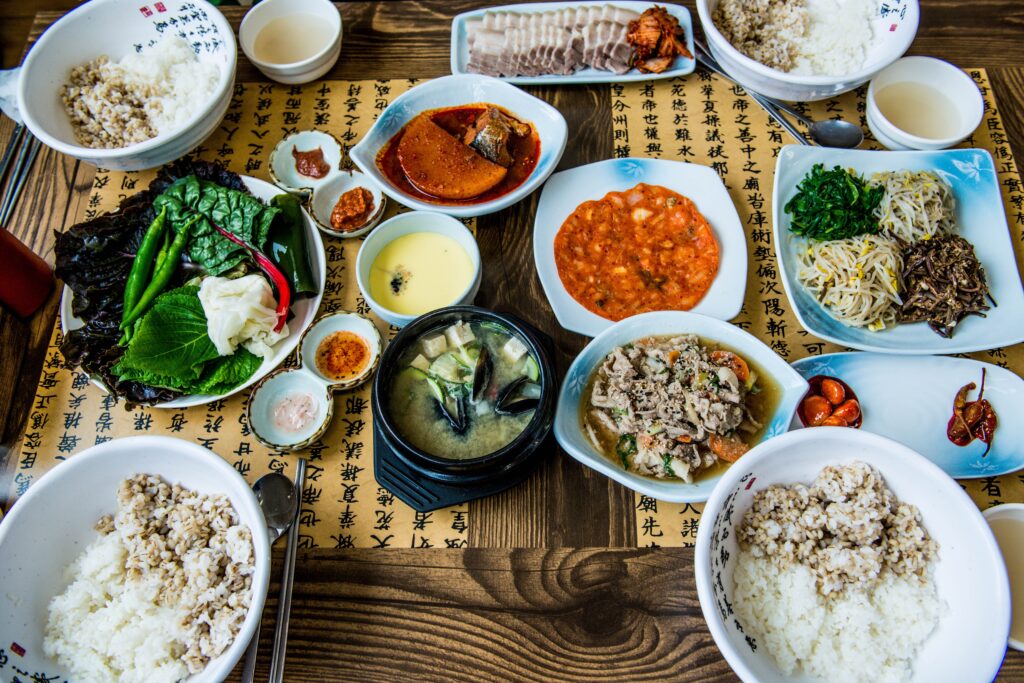
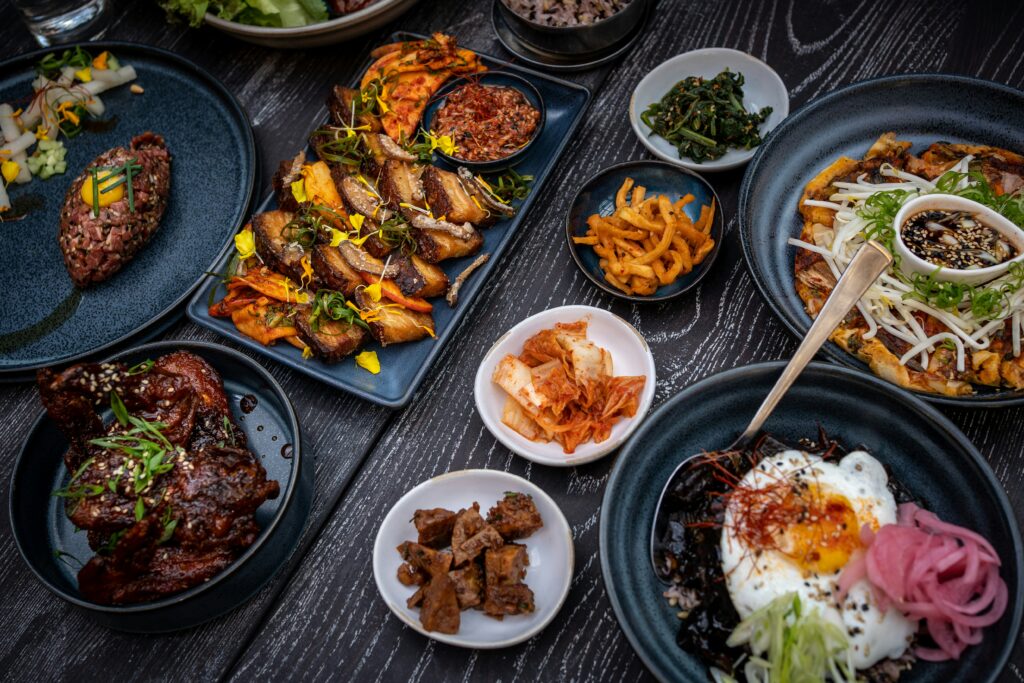
Unlike many Western meals where each person orders an individual dish, Korean dining is centered around sharing. The table is filled with a variety of dishes that everyone enjoys together.
A typical Korean meal often includes:
- Steamed rice
- Soup or stew
- A main dish
- Several side dishes (Banchan)
- Kimchi
- Dipping sauces
- Fresh vegetables
This balanced style of dining creates a meal with a wide range of flavors, textures, and nutrients.
Korean BBQ: The Heart of Korean Dining
One of the most famous Korean dining experiences is Korean BBQ.
Guests cook premium meats at the table while enjoying lively conversation and freshly prepared side dishes.
Popular BBQ choices include:
- Samgyeopsal (Grilled Pork Belly)
- Bulgogi (Marinated Beef)
- Galbi (Marinated Beef Short Ribs)
- Dak Galbi (Spicy Stir-Fried Chicken)
The grilled meat is often wrapped in lettuce or perilla leaves with garlic, kimchi, and ssamjang, creating a delicious bite known as ssam.
This interactive style of dining makes Korean BBQ perfect for celebrations, family gatherings, and special occasions.
Banchan: Korea’s Famous Side Dishes
One of the most distinctive features of Korean cuisine is Banchan, the small side dishes served with almost every meal.
Common Banchan include:
- Kimchi
- Seasoned spinach
- Bean sprouts
- Braised potatoes
- Pickled radish
- Fish cakes
- Stir-fried anchovies
These dishes provide balance, nutrition, and variety, allowing diners to enjoy many different flavors during a single meal.
Comforting Korean Soups and Stews
Warm soups and stews play an essential role in Korean cuisine.
Popular choices include:
- Kimchi Jjigae
- Sundubu Jjigae
- Doenjang Jjigae
- Samgyetang
- Budae Jjigae
- Galbitang
Served bubbling hot with steamed rice, these dishes are especially comforting during colder weather.
Delicious Korean Noodles
Korea offers a wide variety of noodle dishes for every season.
Popular favorites include:
- Japchae
- Jajangmyeon
- Kalguksu
- Bibim Naengmyeon
- Mul Naengmyeon
- Ramyeon
From refreshing cold noodles in summer to warm handmade noodle soups in winter, Korean noodles are enjoyed all year round.
Healthy and Balanced Meals
One reason Korean cuisine has become so popular worldwide is its emphasis on balance.
Many Korean meals include:
- Fresh vegetables
- Lean meats
- Seafood
- Tofu
- Fermented foods
- Rice
- Healthy seasonings
This variety creates meals that are flavorful, satisfying, and nutritionally balanced.
Korean Dining Etiquette
Learning a few Korean dining customs can make the experience even more enjoyable.
Traditional etiquette includes:
- Waiting for the eldest person to begin eating.
- Using serving utensils for shared dishes when provided.
- Holding the rice bowl on the table rather than lifting it.
- Sharing food with family and friends.
- Showing appreciation before and after the meal.
These customs reflect Korea’s values of respect, gratitude, and community.
Drinks That Complement Korean Food
Korean meals are often paired with traditional and modern beverages.
Popular choices include:
- Korean green tea
- Barley tea (Bori-cha)
- Sikhye (Sweet Rice Drink)
- Soju
- Makgeolli
- Korean fruit drinks
Non-alcoholic drinks such as barley tea are commonly served with everyday meals.
Korean Dining in Australia
Korean cuisine has become increasingly popular across Australia.
Cities such as Sydney, Melbourne, Brisbane, Perth, Adelaide, and Canberra offer a wide selection of authentic Korean restaurants, from casual noodle shops to premium Korean BBQ venues.
Australian diners appreciate Korean food for its:
- Fresh ingredients
- Interactive dining style
- Healthy meal options
- Bold yet balanced flavors
- Wide variety of dishes
As interest in Korean culture continues to grow, so does the popularity of Korean dining.
Tips for Your First Korean Dining Experience
If you’re trying Korean food for the first time, here are a few helpful tips:
- Start with Korean BBQ or Bibimbap.
- Try several side dishes instead of focusing on just one item.
- Don’t be afraid to mix flavors and textures.
- Wrap grilled meat with lettuce, kimchi, and ssamjang.
- Share dishes with friends or family for the full Korean dining experience.
- Finish your meal with a comforting soup or a traditional dessert.
Conclusion
The ultimate Korean dining experience is about much more than enjoying delicious food. It is a celebration of sharing, tradition, hospitality, and balance. Every meal brings together fresh ingredients, bold flavors, and meaningful customs that have been passed down through generations.
Whether you’re enjoying Korean BBQ with friends, savoring a warm bowl of Sundubu Jjigae, or exploring the many flavors of Banchan, Korean cuisine offers a memorable experience that goes beyond the plate.
If you’re looking to discover one of the world’s most exciting culinary traditions, Korean dining is an unforgettable journey that everyone should experience.