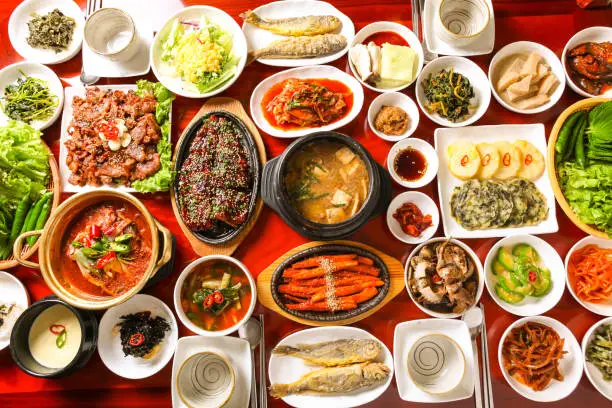
Korean food culture is about more than delicious food. It is also about sharing meals, enjoying different dishes together, showing respect, and spending time with family and friends.
For people discovering Korean cuisine for the first time, understanding Korean dining culture can make the experience even more enjoyable. From rice and soup to colourful side dishes and Korean barbecue, many Korean meals bring people together around the same table.
What Makes Korean Food Culture Special?
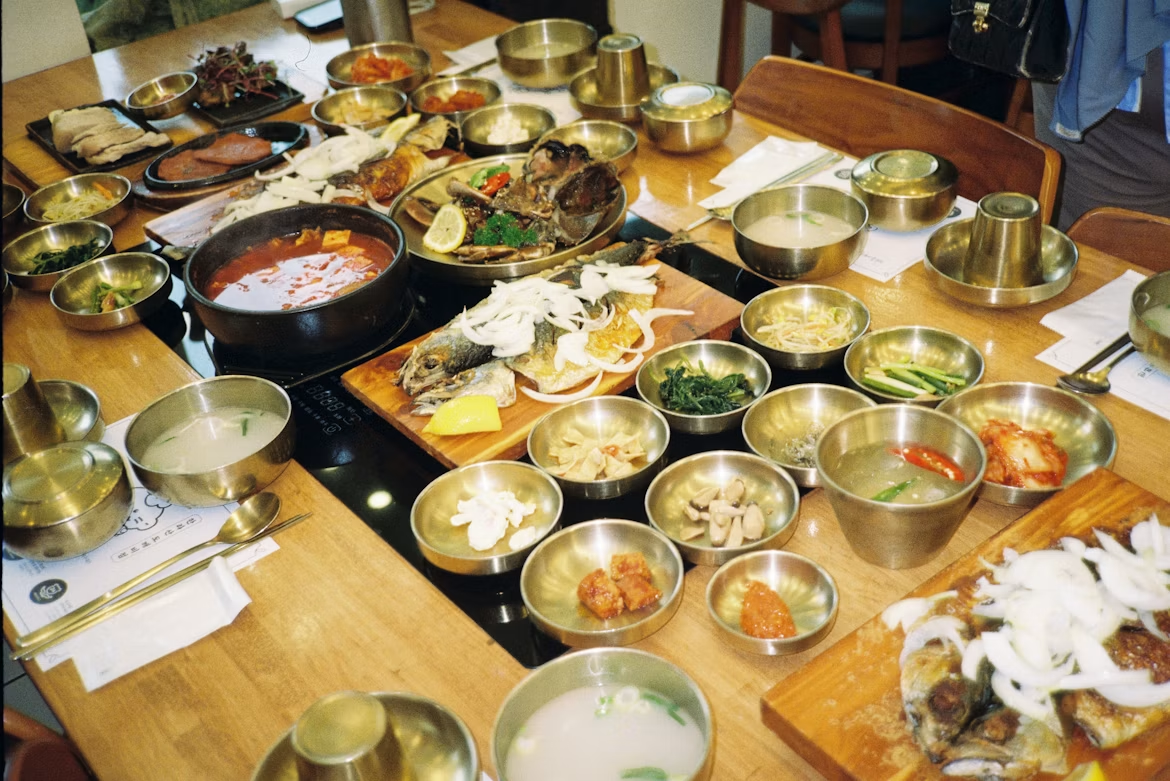
Traditional Korean meals are often centred around rice, soup, and a variety of side dishes called banchan. A typical table may include vegetables, meat, seafood, kimchi, soup, and other dishes.
The Korea Tourism Organization describes traditional Korean food, or Hansik, as cuisine centred on rice and served with soup and a variety of side dishes. Fermented foods such as kimchi, doenjang, ganjang, and gochujang are also important parts of Korean cuisine.
Rather than serving only one dish to each person, many Korean meals include dishes that are placed in the middle of the table for everyone to enjoy.
This creates a dining experience based on variety and sharing.
The Importance of Rice in Korean Meals
Rice, known as bap in Korean, has traditionally been a central part of Korean meals.
A typical meal may include steamed rice together with soup, vegetables, meat or seafood, and side dishes. The combination provides different flavours and textures in one meal.
Rice is so important in Korean cuisine that the Korea Tourism Organization describes it as a staple grain used in Korean meals.
What Is Banchan?
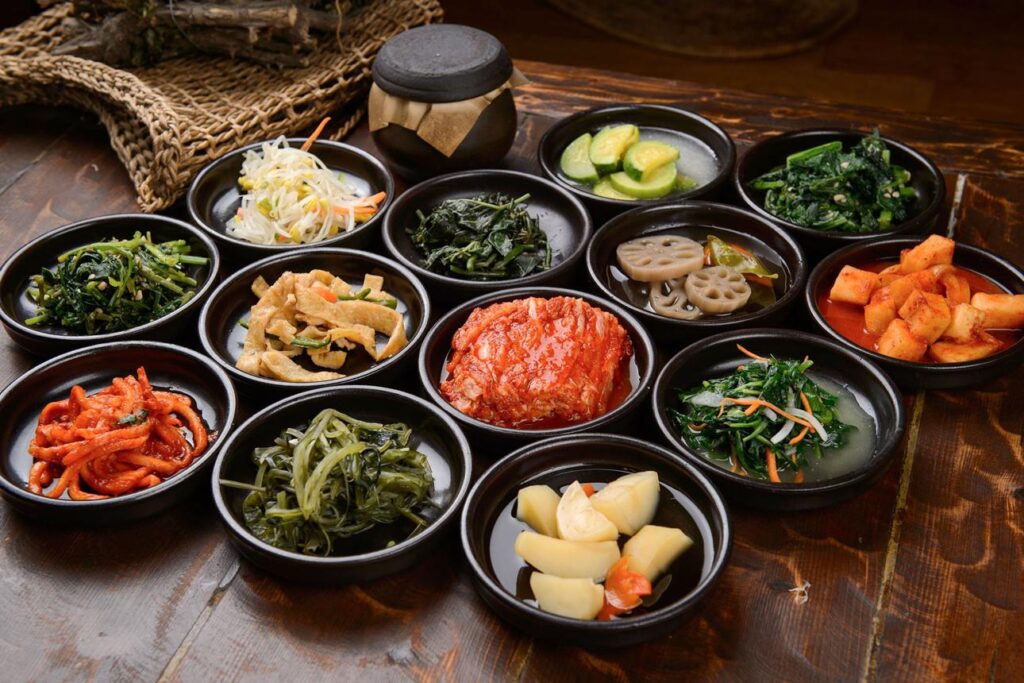
Banchan refers to the small side dishes served with a Korean meal.
There can be several different types of banchan on the table, including:
- Kimchi
- Seasoned spinach
- Bean sprouts
- Pickled vegetables
- Stir-fried vegetables
- Seaweed
- Potatoes
- Seafood or meat side dishes
The selection can vary depending on the restaurant, region, season, and type of meal.
One of the enjoyable things about Korean food culture is that diners can combine different banchan with rice and other foods to create different flavours.
The Korean Tourism Organization explains that banchan are served alongside rice and can include stir-fried, braised, seasoned, and fermented foods.
Sharing Food at the Korean Table
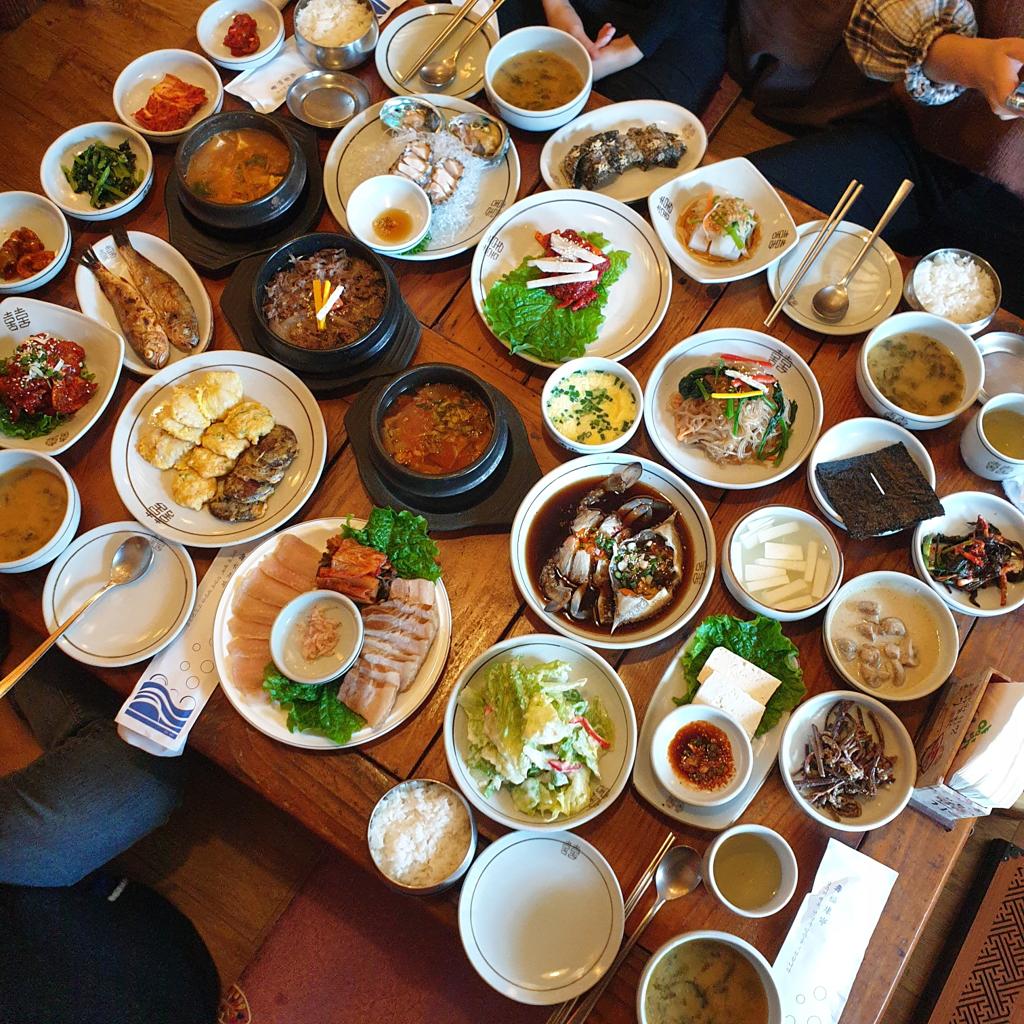
Sharing food is an important feature of many Korean meals.
Some dishes are prepared specifically to be enjoyed together. Korean barbecue is a good example. Meat is often grilled at the table, allowing everyone to cook and enjoy it together.
Other commonly shared foods include:
- Korean pancakes (jeon)
- Tteokbokki
- Stews and hot pots
- Korean fried chicken
- Bossam
- Seafood dishes
- Korean barbecue
Sharing food creates an interactive dining experience. People can talk, serve food, and try different dishes together.
Korean Dining Etiquette
Korean dining etiquette is closely connected with respect and consideration, especially when dining with older people.
One traditional custom is to allow the oldest or most senior person at the table to begin eating first. This remains a useful etiquette point for visitors who are dining in a more formal or traditional setting.
Official Seoul tourism guidance also notes that younger diners traditionally wait for senior members of the table to take the first bite.
Modern Korean dining is generally more relaxed, particularly among younger people and friends. However, showing consideration toward others at the table is still appreciated.
Using Chopsticks and Spoons
Korean meals commonly use both chopsticks and a spoon.
Chopsticks are often used for side dishes and other foods, while the spoon is commonly used for rice and soup.
One important dining etiquette rule is to avoid placing chopsticks vertically into a bowl of rice.
This position resembles the way food is offered during ancestral rituals and is therefore considered inappropriate at an ordinary meal.
Another traditional guideline is to keep the rice bowl on the table rather than lifting it toward the mouth.
Korean BBQ and Social Dining
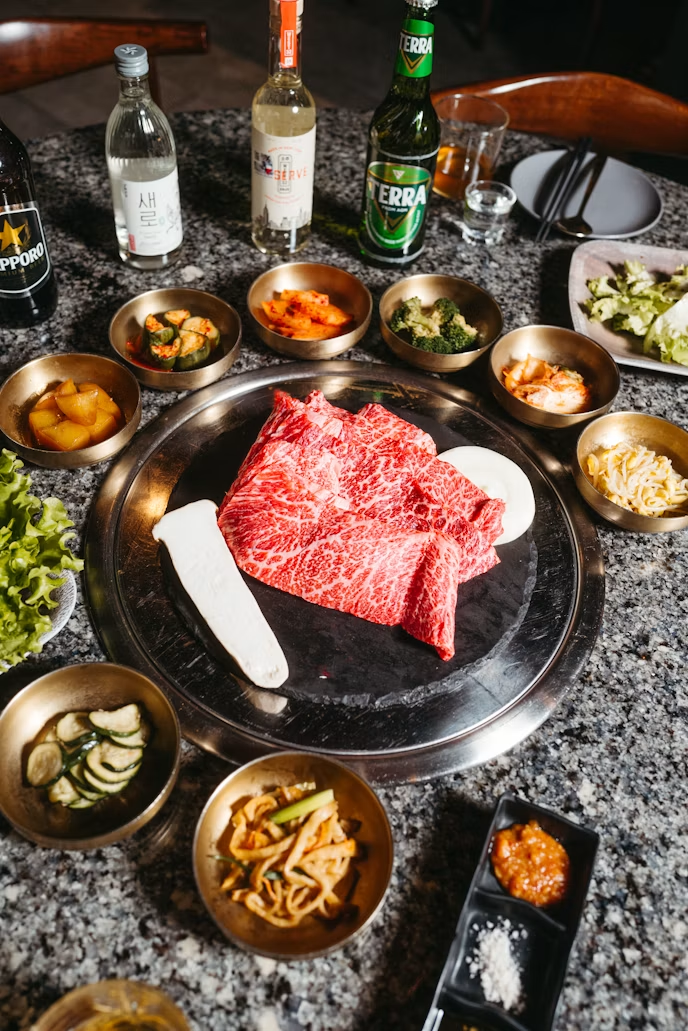
Korean barbecue is one of the best examples of Korean food culture and social dining.
At many Korean barbecue restaurants, a grill is placed in the centre of the table. Diners can cook meat together and enjoy it with lettuce or perilla leaves, sauces, garlic, vegetables, and side dishes.
This style of dining makes the meal interactive and social.
Korean barbecue is not simply about eating grilled meat. It is also about sharing food and spending time together.
The Korea Tourism Organization describes ssam, or leaf wraps, as an important part of Korean food culture. Meat and other ingredients can be wrapped in vegetables such as lettuce or perilla leaves.
Eating Together as a Family
Family meals have traditionally been an important part of Korean life.
Gathering around the table provides an opportunity to share food and spend time together. Many traditional meals include several dishes that everyone can enjoy.
Although modern lifestyles have changed eating habits in Korea, shared meals remain an important part of Korean food culture.
Food can bring family members and friends together, even when the meal itself is simple.
Regional Differences in Korean Food Culture
Korean food culture is not exactly the same throughout the country.
Different regions have their own ingredients, cooking methods, and traditional dishes. Coastal areas, for example, have strong seafood traditions, while other regions are known for particular vegetables, sauces, fermented foods, or meat dishes.
This regional diversity is one reason Korean cuisine offers such a wide range of flavours.
Korean Food Culture Today
Korean dining culture continues to evolve.
Modern Korean restaurants may combine traditional recipes with contemporary cooking styles. Young Koreans may also have more casual dining habits than previous generations.
At the same time, traditional dishes such as kimchi, bibimbap, bulgogi, japchae, and Korean barbecue remain popular in Korea and around the world.
Korean cuisine has also become increasingly popular internationally, introducing people from many different cultures to Korean flavours and dining traditions.
Simple Korean Dining Etiquette for First-Time Visitors
If you are visiting a Korean restaurant for the first time, these simple tips can help:
- Expect several side dishes with your meal.
- Remember that many dishes are designed to be shared.
- Use the spoon for rice and soup and chopsticks for many other foods.
- Keep your rice bowl on the table.
- Do not place chopsticks vertically in a bowl of rice.
- When dining with older people, allow them to begin first in formal situations.
- Try the different banchan and discover your favourite flavours.
- Do not worry if you make a small mistake. Most Korean restaurants are welcoming to international visitors.
Why Korean Food Is About More Than Food
Korean food culture shows how food can bring people together.
Sharing dishes, enjoying conversation, preparing food at the table, and showing consideration for others are all important parts of the Korean dining experience.
For people in Australia and around the world who are discovering Korean cuisine, learning about these traditions can make a Korean meal even more enjoyable.
Whether you are eating bibimbap, sharing Korean barbecue with friends, or trying kimchi for the first time, Korean food provides an opportunity to experience both new flavours and Korean culture.
Conclusion
Korean food culture combines food, tradition, sharing, and respect.
From rice and banchan to Korean barbecue and traditional dining etiquette, each part of the meal contributes to a unique dining experience.
As Korean cuisine continues to grow in popularity in Australia and around the world, understanding Korean dining culture can help people appreciate not only the food but also the traditions behind it.
Korean food is not simply something to eat. It is also a way to connect, share, and experience Korean culture.